

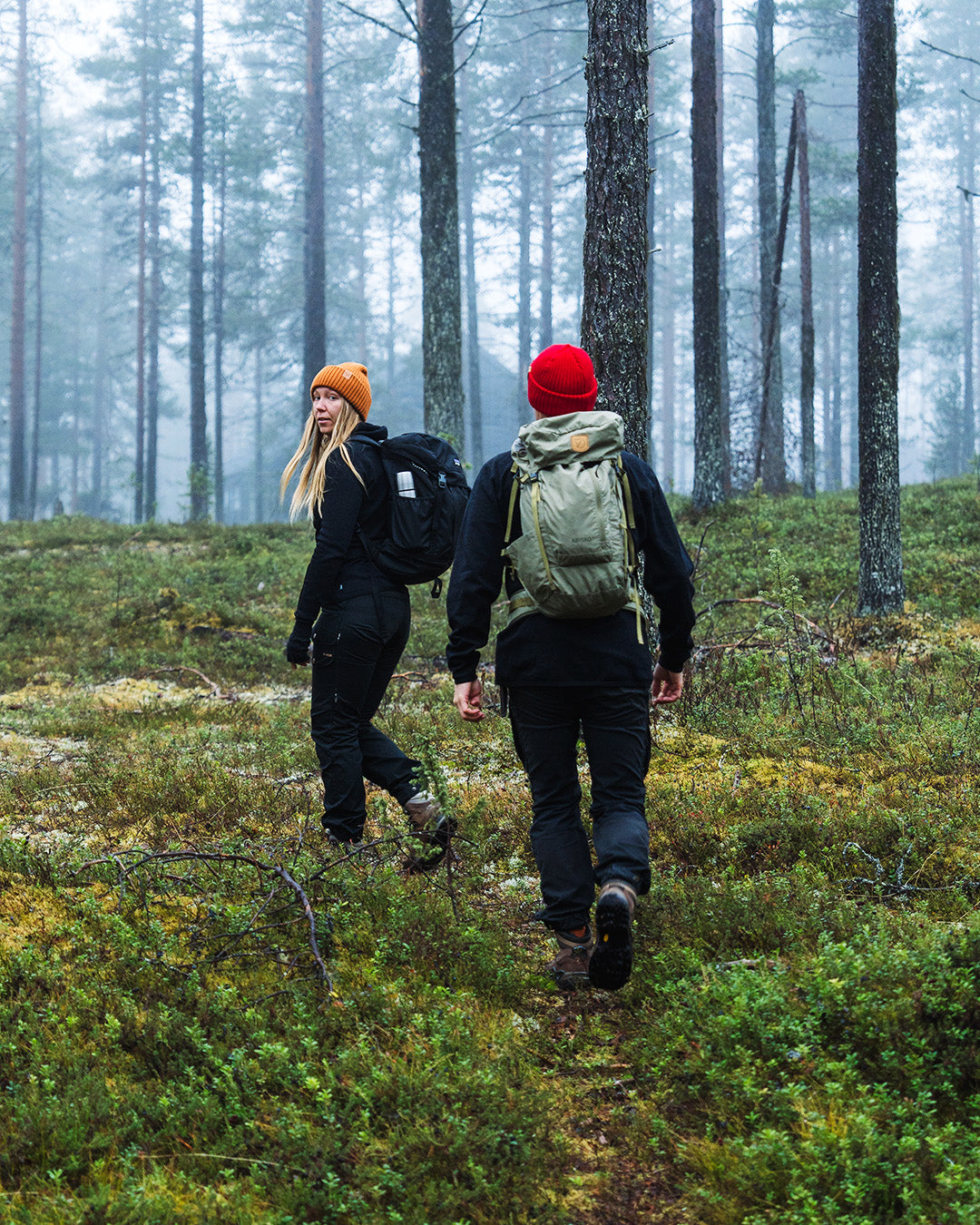


The basics of layering
A guide to layering
Whether you move at a fast or gentle pace, the purpose of layering is to keep you warm and dry in any weather. Many outdoor enthusiasts think they have mastered layering, but combine clothing layers without understanding how different materials and layers work together.
Proper layering is possible once you understand the basics. This guide explains what each layer does, which materials work in each role and how to dress correctly throughout the year. Proper layering is comfortable, lightweight and simple: when you have the right layers with you, you can easily add or remove them to suit the weather and your pace.

Base layer
The layer you wear directly against your skin is the foundation of layering and the most important part of your whole outfit. Its job is to move sweat and moisture away from your skin towards the outer layers, keeping your skin dry even when you sweat.
Staying dry means comfort and warmth. When moisture does not stay on your skin or in wet clothing, sweat does not chill your body when you stop, and wet fabric does not cause painful chafing. That is why choosing your next-to-skin layer is the single most important decision in layering – and the material plays a big part in it.
Avoid cotton in base layers and opt for merino wool
merino wool differs fundamentally from cotton. Unlike cotton, merino does not retain moisture but transfers it to the outer layers. Avoid cotton underwear wherever possible, as it does not move moisture away from the skin but actively absorbs it. Damp skin quickly makes you feel cold and makes movement uncomfortable.
merino wool does the opposite. It keeps you warm even when slightly damp, regulates body temperature in both directions and feels soft against the skin. Long-fibre merino does not itch like ordinary wool either. Merino does not develop odours, so you can wear the same base layers day after day simply by airing them. These properties make merino wool the best choice for most people as a next-to-skin layer, both in cool weather and on long trips where washing facilities are unavailable.
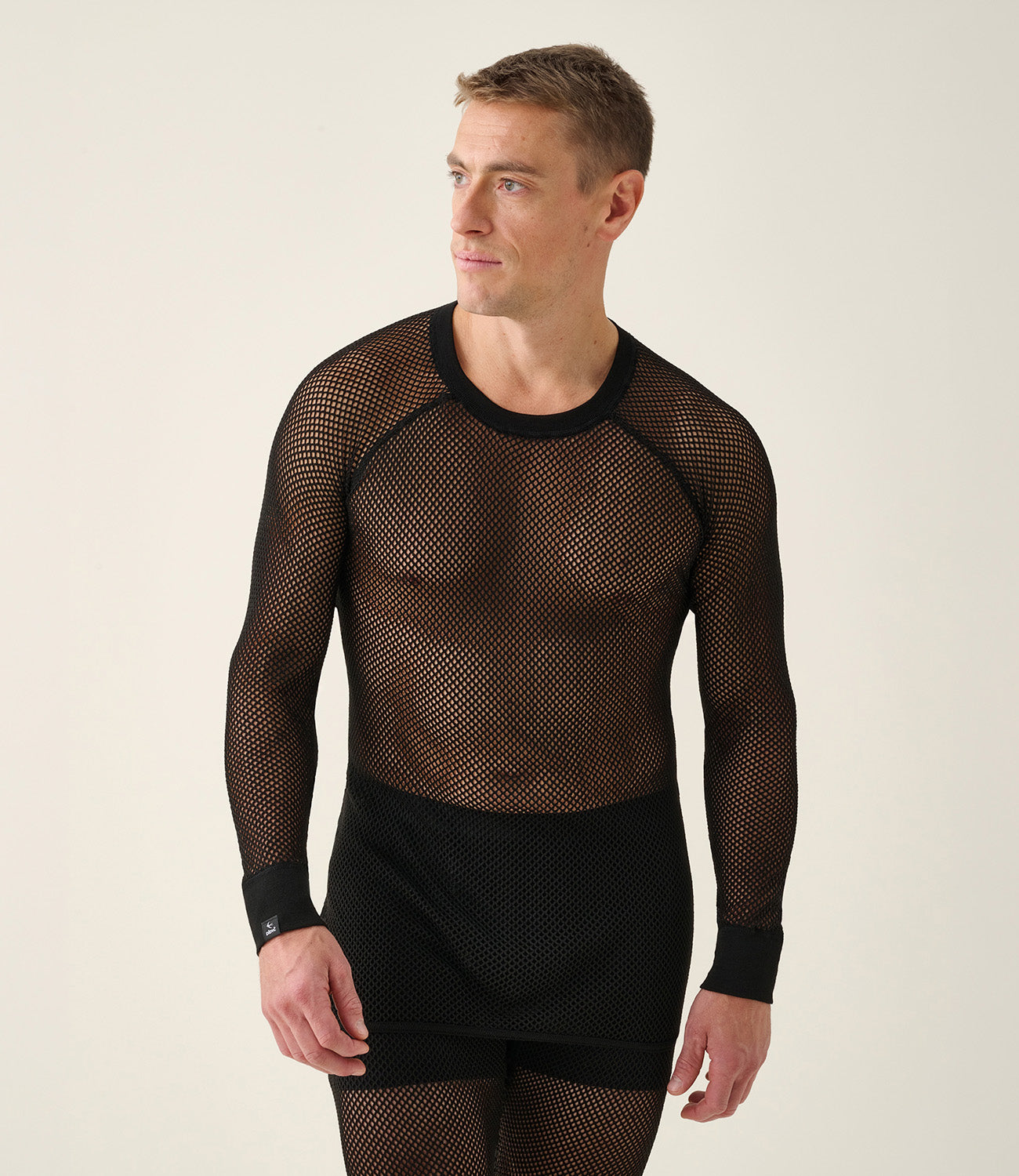
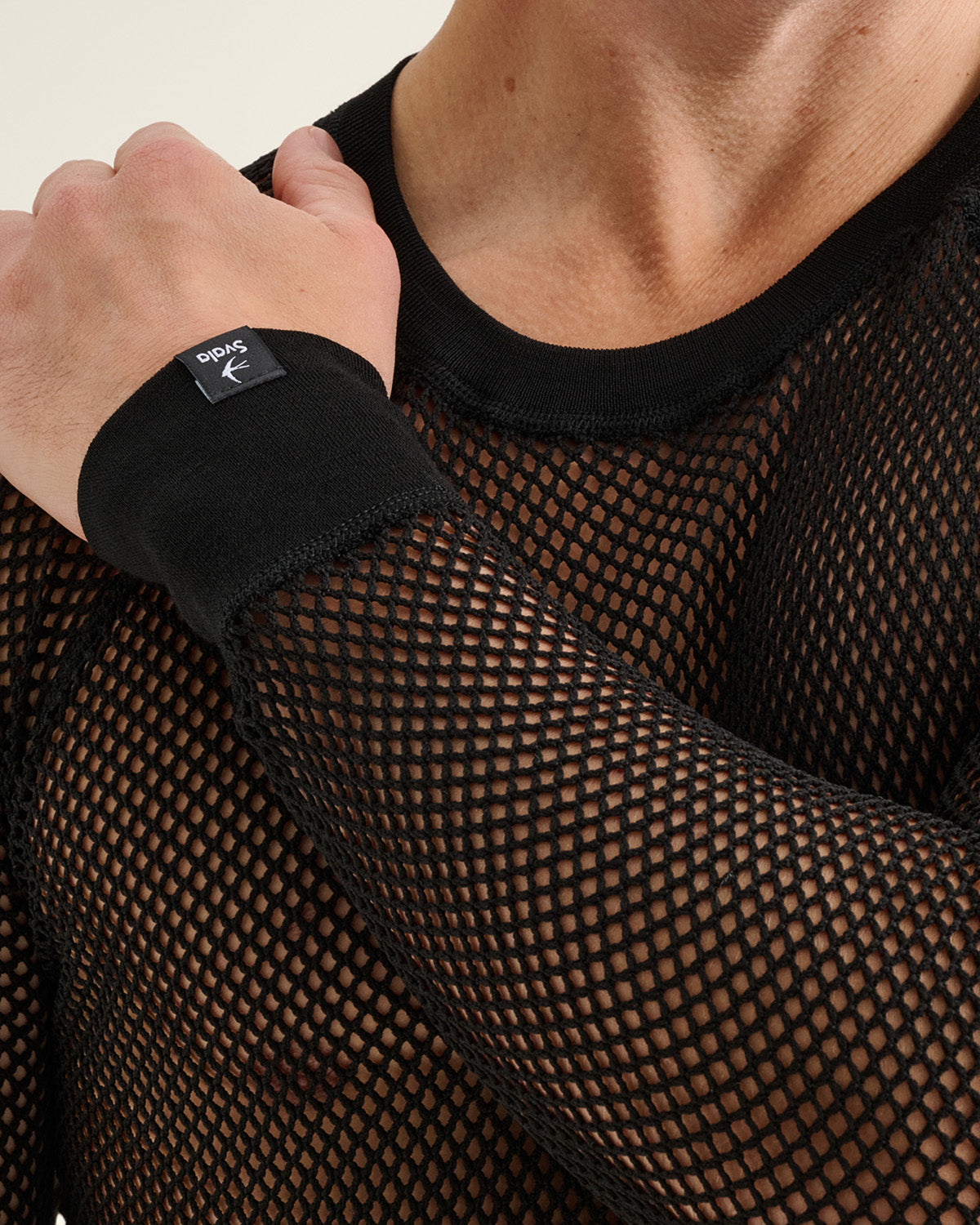
However, merino is not the only option next to your skin. Technical mesh knit also suits intense, sweaty activity and warmer weather. It wicks moisture away from your skin, keeping it dry and cool even when your heart rate is high. Air is trapped in the mesh openings, providing light insulation – unlike ordinary thin technical fabric, which breathes but does not insulate at all.
For the most versatile solution, combine both: wear mesh knit next to your skin and merino wool on top. This way, each material does what it does best. The mesh moves sweat straight from your skin to the next layer when you move and sweat, so moisture does not linger and chill your skin. Merino, in turn, keeps you warm even when slightly damp. The result: you stay dry on the move and warm during breaks. We will look at these materials in more detail next. In colder weather, we particularly recommend this combination: Airbase next to your skin with merino on top.
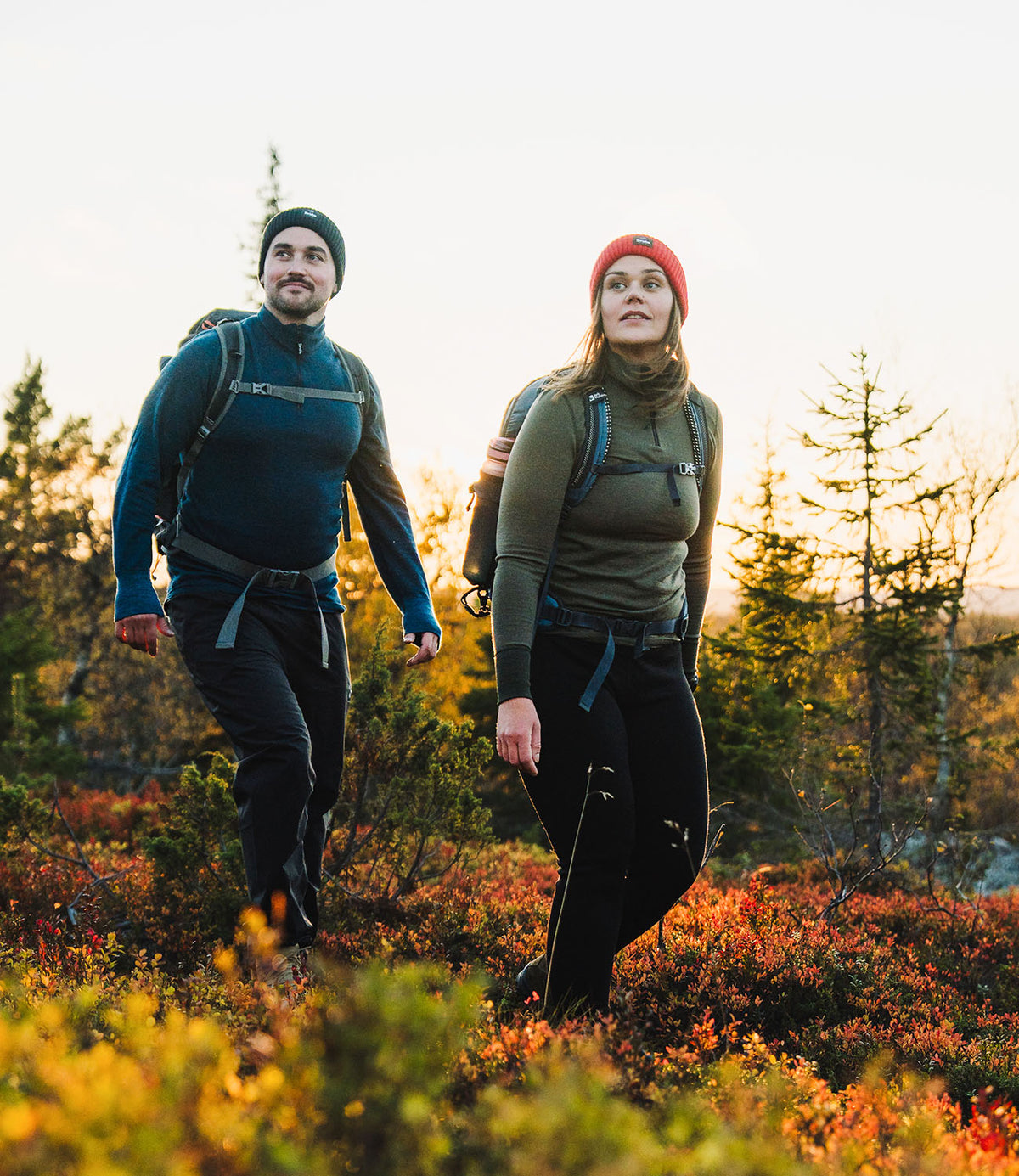
Merino wool or synthetic fibre for your next-to-skin layer?
Both materials work in the next-to-skin layer, but in different ways.
Synthetic fibre wicks moisture effectively and evaporates sweat faster than merino, making it best suited to intense, sweaty activity and warm weather. However, it has two weaknesses: ordinary synthetic fibre starts to smell quickly, and a thin technical base layer breathes but provides no insulation, so it feels cold against your skin as soon as you stop and your body is no longer producing heat.
Merino wool works in the opposite way in many respects. It does not start to smell even after years of use because it is naturally antibacterial – simply air the garment after use. Above all, merino keeps you warm even when damp, so you do not start to feel cold when you stop or take a break. This makes merino best suited to cool weather and long trips where washing facilities are unavailable. Merino fibres are finer than those of ordinary wool, so they do not itch and make it comfortable even in warmer weather.
However, there is also a synthetic fabric that makes up for the weaknesses of conventional synthetics: mesh knit. Svala Airbase is made from technical polypropylene, but it differs from conventional synthetics in two ways. Firstly, silver-ion treatment in the core of the fibre prevents odours, so it does not start to smell like other synthetic garments. Secondly, air is trapped in the loops of the mesh structure, forming a thin, insulating layer against your skin. This means Airbase does not feel cold in the same way as a flat technical fabric that breathes but does not insulate. Airbase mesh knit moves moisture away from your skin to the next layer, so your skin stays dry and moisture does not leave you feeling cold.
So which material should you choose for your next-to-skin layer? A rough rule of thumb: choose technical layers for intense, sweaty activity and warm weather, and merino for cool weather, long trips and a gentler pace. Airbase mesh knit sits between the two: it moves moisture like technical layers but does not start to smell or feel cold, so it works from summer to sub-zero temperatures. For the most versatile solution, though, combine two materials: mesh knit next to your skin to move moisture, and merino on top for warmth. That way, you get the best of both in one outfit – the moisture transport of Airbase and the warmth of merino, which keeps you warm even when damp. The same combination also works the other way: it regulates warmth when the weather gets warmer or your pace picks up, so you don’t end up feeling clammy.
Mid-layer
An airy mid-layer is worn over your base layers. Its primary purpose is to retain warmth and transfer moisture carried by the base layers onwards to the next layer. A good mid-layer provides effective warmth relative to its weight, while remaining breathable enough not to feel wet even when you sweat.
The warming effect relies on air: the more still air a mid-layer traps within its fibres, the better it insulates. Popular and effective materials include merino wool, wool blends and fleece. merino wool regulates temperature in both directions and provides warmth even when slightly damp, while fleece is lightweight, dries quickly and feels warm as soon as you put it on. All these options are lightweight and keep you warm – choose the thickness according to the weather and your activity level.
Your mid-layer should be quick and easy to put on, so you can remove it when you start moving and put it back on during breaks before your body has time to cool down. The air temperature and your activity level together determine how warm and thick your mid-layer should be.
In changeable weather, you can take two thinner mid-layers instead of one thick one – this allows you to regulate warmth more precisely by adding and removing layers.
In severe cold or when your activity level drops, a lightweight down jacket, a thicker wool jumper or a fleece can also serve as a mid-layer, provided you put it on as soon as you stop, rather than waiting until you start to feel cold. Here, too, choose a loose fit that accommodates the other layers underneath.
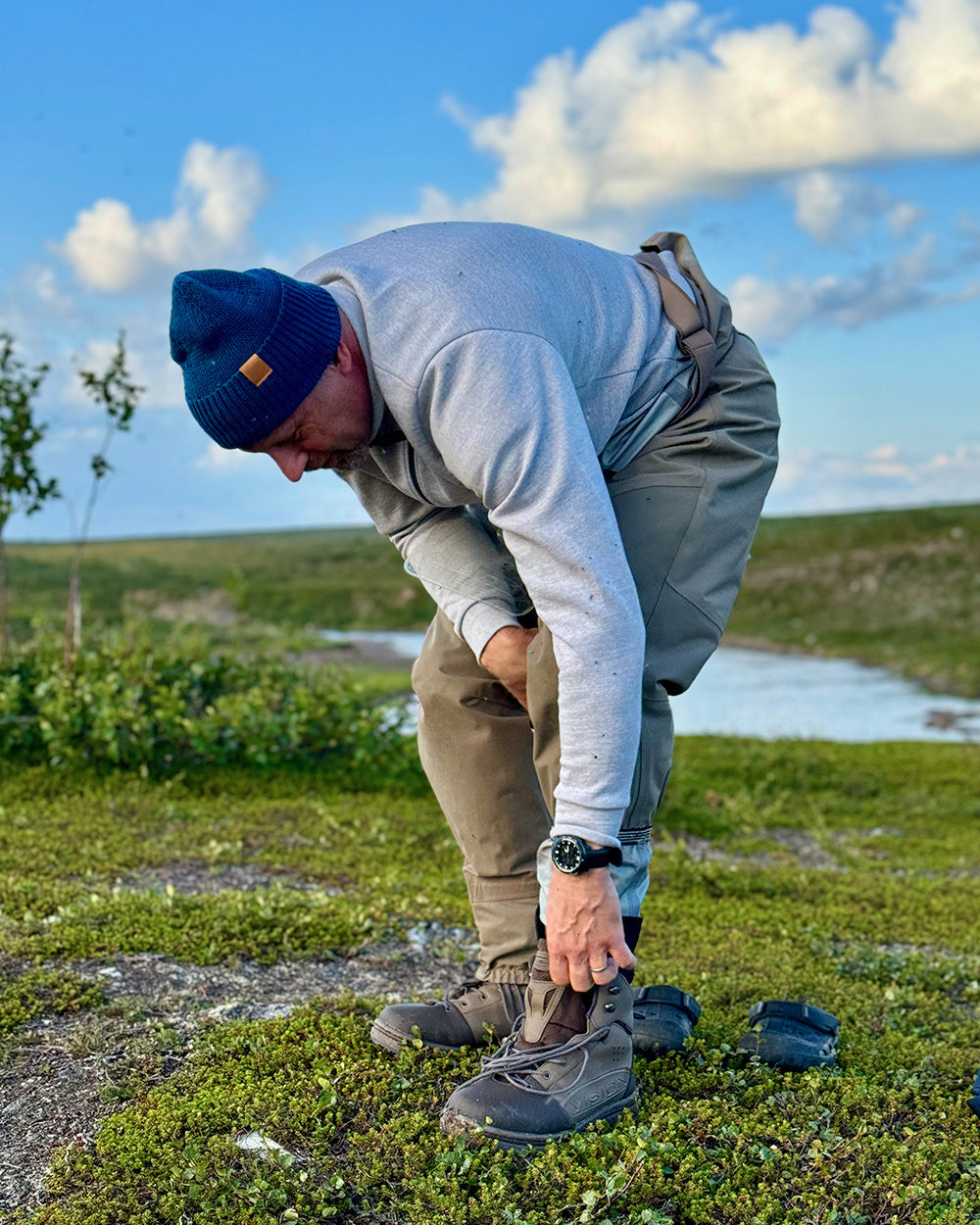

Insulation layer
In cold weather and during gentle exercise, two layers are not always enough. You need another warming layer: an insulation layer. The insulation layer serves a different purpose from the mid-layer. While the mid-layer breathes and transfers moisture during activity, the insulation layer’s main role is to retain warmth when your body is no longer producing it – especially when your activity level drops, during breaks and at camp. The cold can catch you out when you are standing still, so put on your insulation layer as soon as you stop moving, before you start to feel cold.
Wear the insulation layer over the Base Layer and mid-layer, beneath the Shell Layer. A thicker merino wool jumper or fleece works well as an insulation layer, trapping warmth while remaining breathable. For the coldest conditions and long breaks, the warmest option is a down or synthetic insulated jacket: down is the lightest and packs down the smallest, while synthetic insulation keeps you warm even when damp, making it suitable for wet conditions. You can also pull this type of jacket over the Shell Layer when needed to prevent warm air from escaping.
Remember these points about the insulation layer:
- Put on your insulation layer as soon as you stop, not only when you already feel cold.
- Choose a lightweight design that packs down small and is easy to carry.
- Choose a loose fit that accommodates your other layers underneath.
Shell Layer
Made from breathable, waterproof material, the Shell Layer provides outermost protection against wind, rain and snow. It prevents the warm air trapped in the insulating Mid Layer from escaping, keeping you dry and warm. Since the shell itself provides little warmth, 1–3 layers are worn underneath it depending on the temperature, activity level and weather – allowing the same shell to work in both summer rain and winter frost.
The shell’s most important and most challenging property is balance: it must keep water and wind out while allowing your perspiration to escape. If the shell does not breathe, moisture condenses on its inner surface and wets the layers from the inside. This is why breathability and ventilation options are just as important in the Shell Layer as waterproofing.
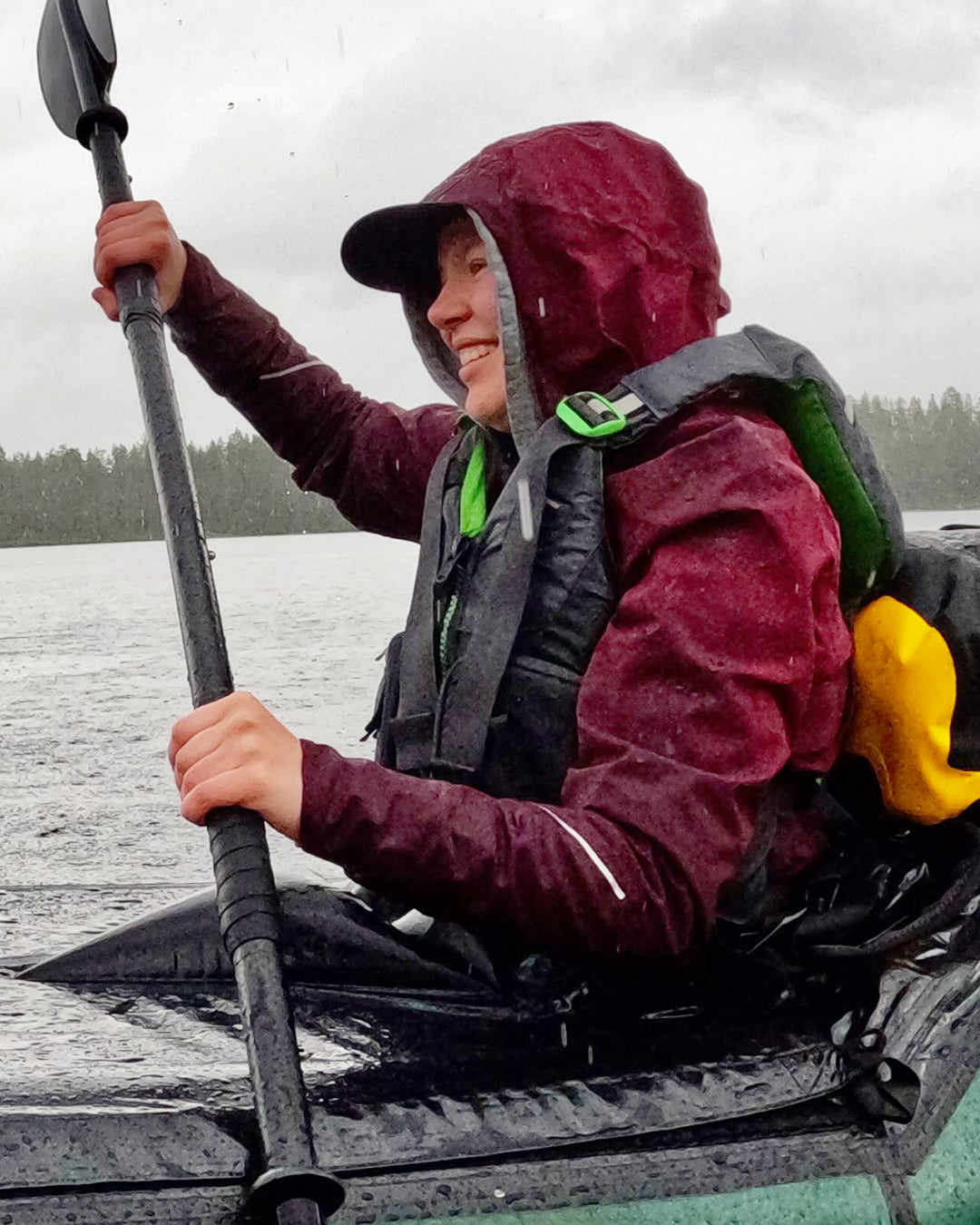
2-, 2.5- and 3-layer shells – what do they mean?
The layers in a shell garment do not refer to layers of clothing worn on top of each other, but to the fabric construction itself: how many bonded material layers make up the shell fabric. This construction affects the shell's durability, breathability and price.
2-layer shell: a waterproof membrane is bonded to the outer fabric, with a separate lining inside to protect the membrane. Affordable and comfortable, but slightly heavier. Suitable for everyday wear and light outdoor activities.
2.5-layer shell: a thin protective coating is printed on the inside of the membrane instead of a separate lining. The lightest and most packable option, well suited to active use and warmer weather.
3-layer shell: the membrane is permanently laminated between the outer and inner fabrics. The most durable and breathable option, making it the best choice for demanding hiking, heavy wear and cold conditions.
Remember that waterproofing does not last forever: the shell's surface treatment (DWR) makes water bead on the surface, but it wears off over time. When water no longer beads but soaks into the outer fabric, the treatment should be renewed when washing the garment.
What do hydrostatic head and breathability ratings mean?
The waterproofness and breathability of shell clothing are described by two numbers. Understanding them helps you choose the right shell for your needs.
Hydrostatic head indicates waterproofness. The rating is expressed in millimetres (mm) and describes how much water pressure the material can withstand before water starts to penetrate it. The higher the number, the better the shell keeps water out:
- 5 000 mm, light rain and moisture, leisure and short outings
- 10 000 mm, lighter rain, everyday outdoor activities
- 20 000 mm, heavy and prolonged rain, demanding hiking and active use
In Finland, 10 000 mm is sufficient for most outdoor activities, but for long trips in the rain and heavy wear, choose 20 000 mm or more. Note that backpack shoulder straps and sitting on wet ground put pressure on the fabric that can exceed a low hydrostatic head rating. A durable hiking shell should therefore have a high rating.
Breathability indicates how well the shell allows your perspiration to escape. The rating is expressed in grams per square metre per day (g/m²/24 h): the higher the number, the more moisture can escape and the more comfortable the shell is during exertion and perspiration:
- 1 000 g/m²/24h, barely breathable, light leisure use
- 3 000–6 000 g/m²/24h, slightly breathable, light outdoor activities and everyday use
- 8 000–10 000 g/m²/24h, breathable, prolonged exercise, e.g. downhill skiing
- 15 000 g/m²/24h or above, highly breathable, vigorous exercise with heavy perspiration
Rule of thumb: the more vigorous the exercise and outdoor activities and the more you perspire, the more important a high breathability rating is; a lower rating is sufficient for less demanding use. The best shell balances both ratings – sufficiently waterproof for your weather conditions and sufficiently breathable for your pace.
When choosing your Shell Layer:
- Choose a jacket and trousers with enough room for your Base Layer and the required number of insulating mid-layers underneath. Check the measurements in the size chart and remember that the shell goes over the other layers.
- Try on the shell garment with the layers you will actually wear underneath – this ensures that the combination fits comfortably and allows you to move freely.
- Leave enough space between the layers for a pocket of insulating air, so avoid a fit that is too tight.
- If you sweat a lot, choose a design with ventilation zips under the arms and at the thighs.
- Check that the hood can be tightened and that it fits over the hat or helmet you wear.
- Choose shell garments made from waterproof, breathable material with taped seams.
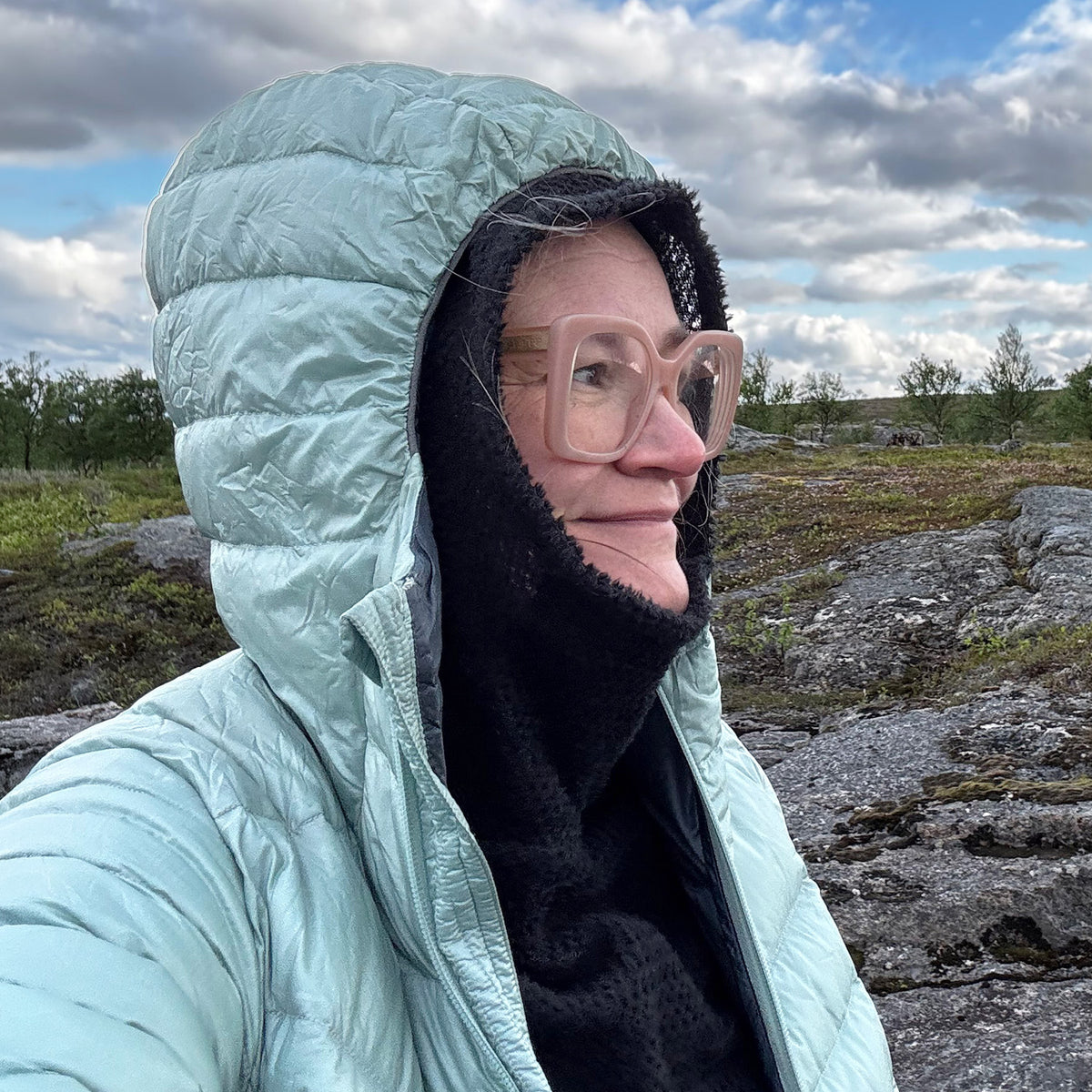
“Svala’s Airbase set is the perfect starting point for any outfit, whatever the season. What comes next depends on the season and the activity. On wilderness trips and around the campfire, I wear a Merino Extreme top as the next layer. On expedition-style ski treks, on the other hand, I prefer fleece. It holds less moisture than wool and also resists the wind a little. So on warm days, I can take my shell jacket off completely and ski in just my fleece. For hunting, fishing and busying myself around the campfire, though, Merino Extreme is better, because dirt and odours don’t cling to it easily and it stands up to sparks better.”

Clothing for rest breaks
It is important to take breaks during exercise and outdoor work, but you can easily start to feel cold when you stop, as your body is no longer generating heat through movement. After strenuous exercise, your body temperature drops quickly, and clothes soaked with sweat can feel cold against your skin. It is therefore worth preparing for breaks in advance.
A good garment for breaks provides warmth for its weight, packs down small and is loose enough to wear over your other layers. The most practical option is a lightweight jacket with down or synthetic insulation and a large, insulated hood: you can quickly pull it on as soon as you stop and pack it back into your rucksack just as quickly when you move on. The idea is to put it on before you start to feel cold, not afterwards.
Remember your legs too, as they are often the first to get cold. During long breaks and at camp, you can keep them warm with insulated trousers or an insulated skirt that you can pull on without taking off your footwear.
A garment for breaks provides the most warmth when worn over dry layers, so make sure your Zero Layer moves sweat away from your skin effectively while you are still moving. This way, you will not be sitting in a wet shirt during your break.

Remember warm accessories too
Layering is only half done if your hands, head and feet stay cold. These extremities are often the first to get cold, and a lot of heat escapes through them. The good news is that the same principle applies to accessories as to your other layers: a thin, moisture-wicking layer next to your skin and a warm or protective layer on top.
Hands. A thin merino wool liner glove next to your skin keeps your hands dry. Put a warm, thicker glove on top. In wind and rain, you can add separate waterproof shell gloves.
Feet. Start with a thin merino wool liner sock and put a thicker merino sock over it: the liner sock moves moisture away from your skin and the thicker sock keeps you warm. The combination keeps your feet dry and warm and helps prevent blisters.
Head and neck. In a hard frost, you can layer on your head just as on the rest of your body: a thin merino beanie next to your skin and, if needed, a thicker wool beanie on top. A thin merino balaclava protects your face and neck from the wind, and a scarf or neck gaiter adds extra warmth, especially at camp.
Take several pairs of gloves and socks and more than one beanie: that way, you can always put on dry ones while the wet ones are drying.
Svala AIR System™
Layering determines whether you stay dry and warm. The Svala AIR System™ organises it into four layers, each with its own role, from the Zero Layer to the Shell Layer.