



Reliable clothing for skiers in every layer
One set of clothing, two opposing tasks
Cross-country skiing demands sustained effort, making you sweat heavily even in freezing conditions. On flat terrain and uphill, your heart rate rises and you feel warm, but on descents, during breaks and after your session, your body cools quickly as the pace slows and the cold bites. The wrong layers leave you sweating on climbs and shivering on descents, while the right ones keep you dry and warm throughout, from the first metre to the last.
That is why we have put together a complete, practical system on this page: one reliable garment for each layer. With these garments, you cannot go wrong, whether you regularly ski long distances or are just starting out on the trails. You do not need to compare dozens of options or guess whether the garments work together. Here is a set for you in which each layer is designed to work with the next.
Four tasks, one effective system
The Zero Layer moves sweat away from your skin, the Base Layer provides warmth, the Mid Layer adds insulation in freezing conditions and during breaks, and the Shell Layer protects against wind and snow. Merino wool and Airbase manage moisture and warmth, leaving you to focus on your pace and the scenery.

Four layers, one complete set
Layering is the answer to dressing for cross-country skiing. We chose one reliable garment for each layer that works at both extremes of a ski session: sweaty, fast stretches and cool breaks. Together they make up the Svala AIR System™ layering system: four layers, each with its own job, from the Zero Layer to the Shell Layer. You do not always need all four. In mild weather and when you are moving hard, fewer layers are often enough. In freezing conditions, at an easier pace and on longer breaks, add layers as needed.

Zero Layer – Next-to-skin performance
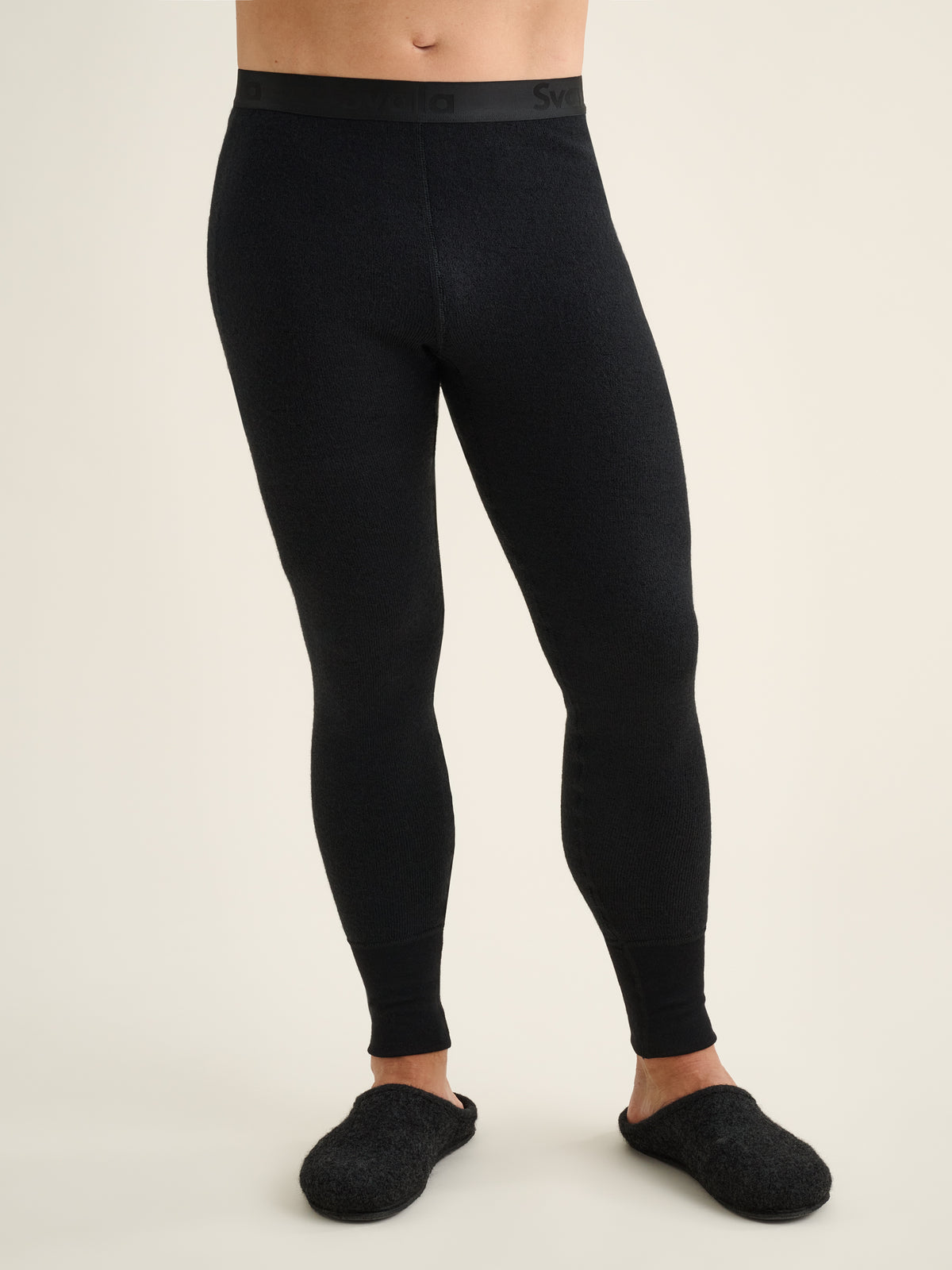
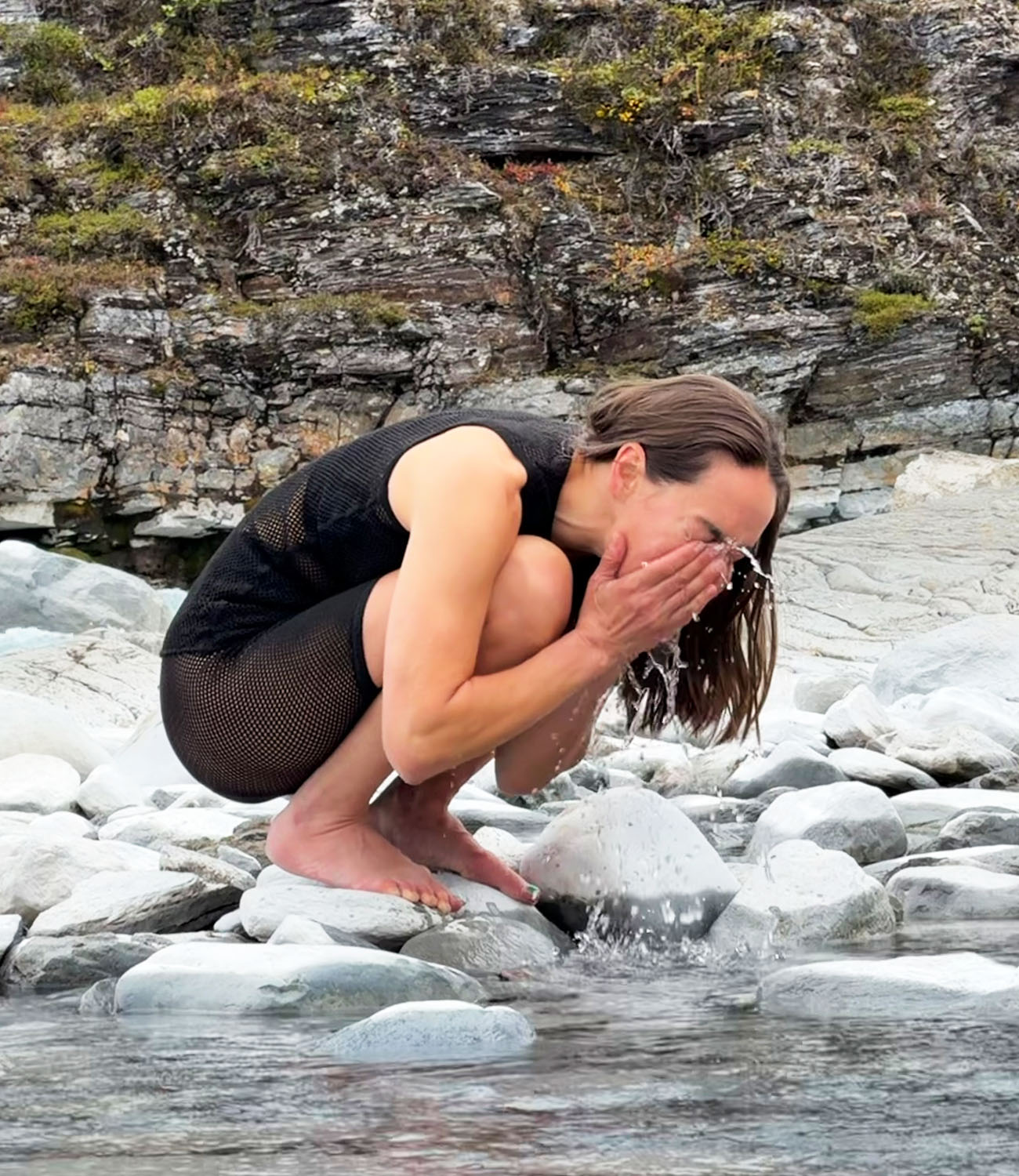
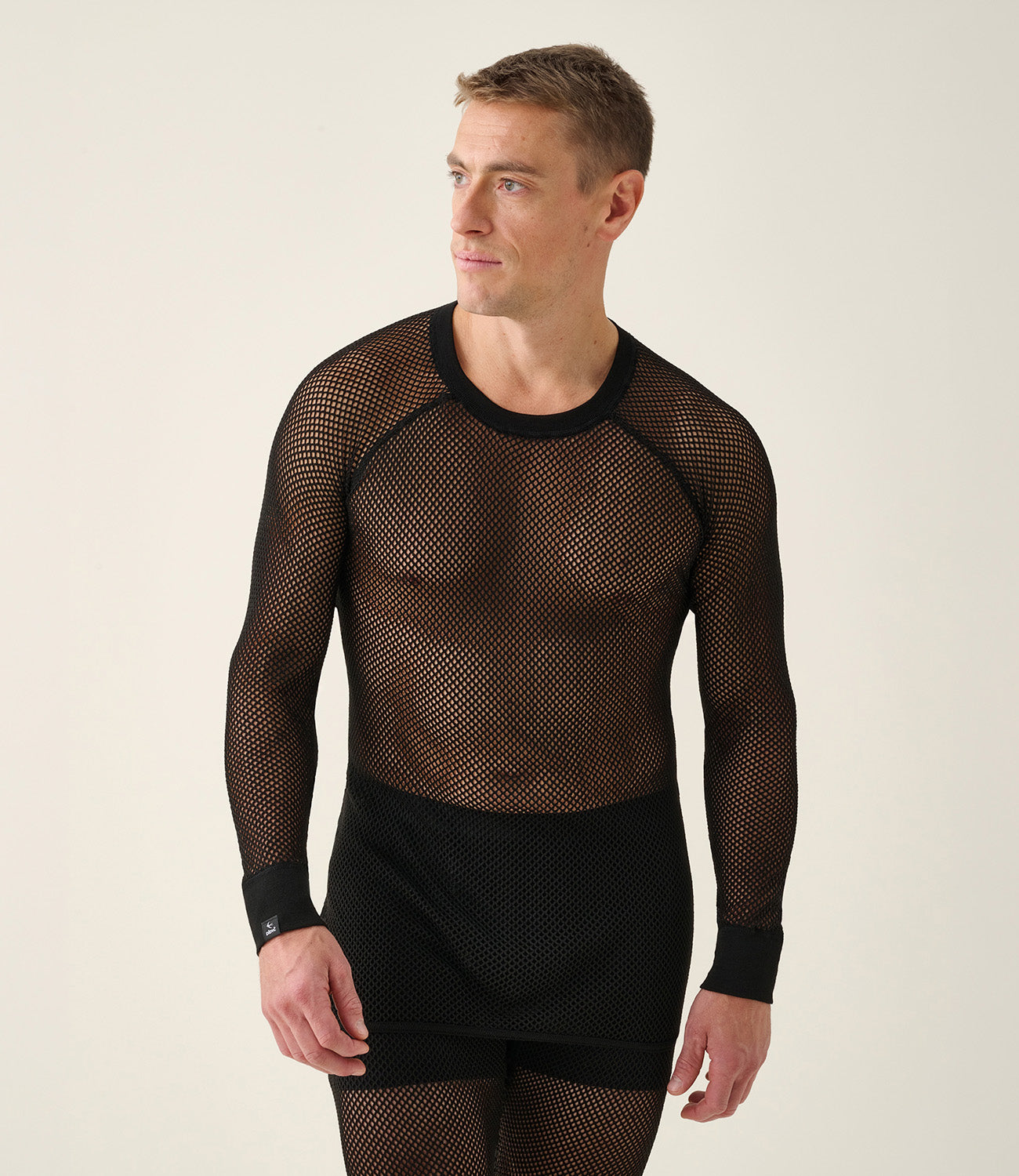
Skiing is aerobic exercise that makes you sweat heavily even in severe cold. Worn next to the skin, the Airbase-mesh shirt and -bottoms keep your skin dry. Airbase is 100% polypropylene, which does not absorb any moisture but transfers sweat away from the skin to the next layer. This keeps you from getting cold on descents or during breaks.
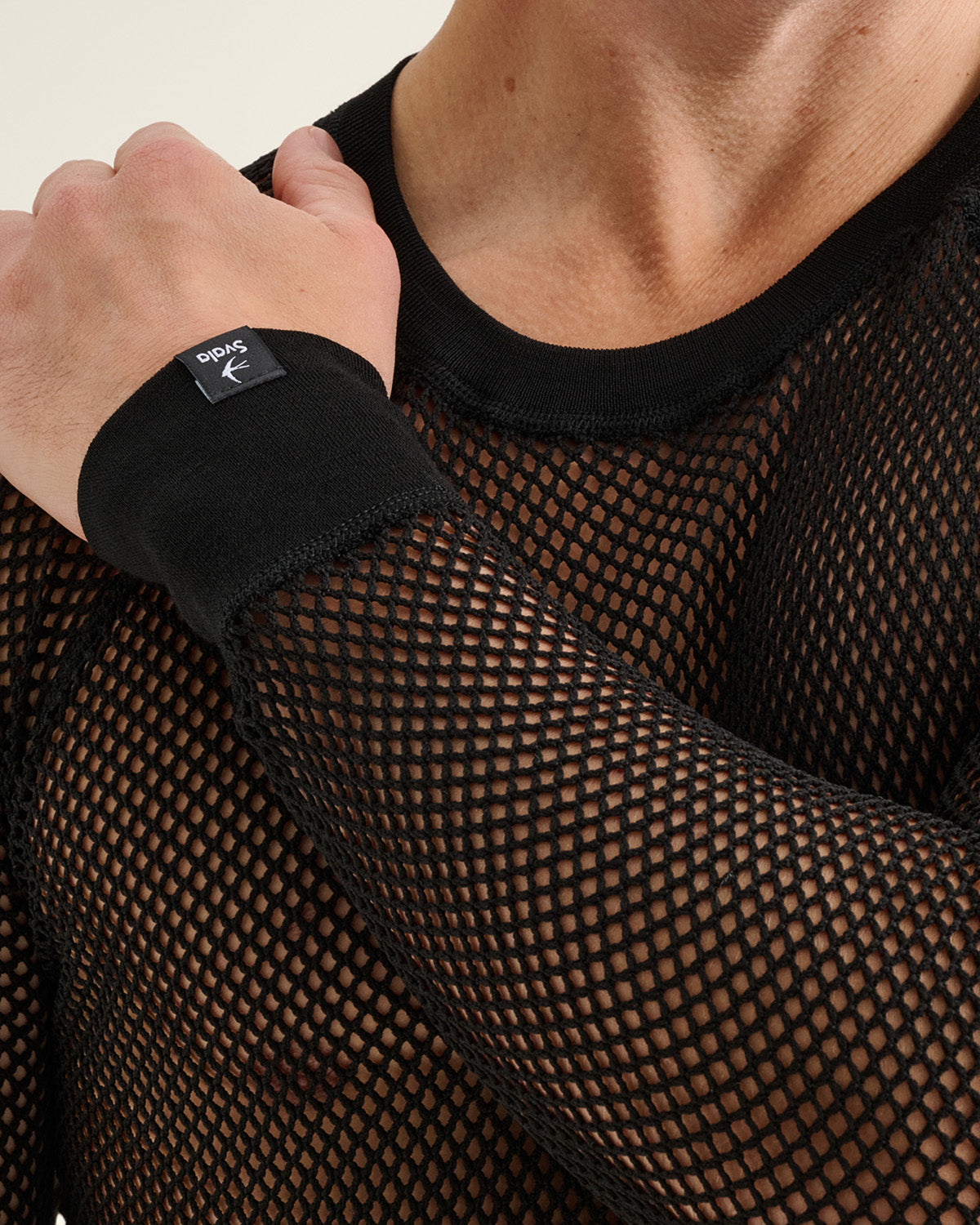
The loops in the 120 g/m² 3D-mesh knit allow air to circulate and trap it, forming a thin layer against the skin: it cools you as you move and provides thermal insulation during breaks. Airbase is thin and stretchy, so it follows your body without restricting movement. Silver ion treatment keeps the garments fresh, so you can wear them for several skiing sessions.

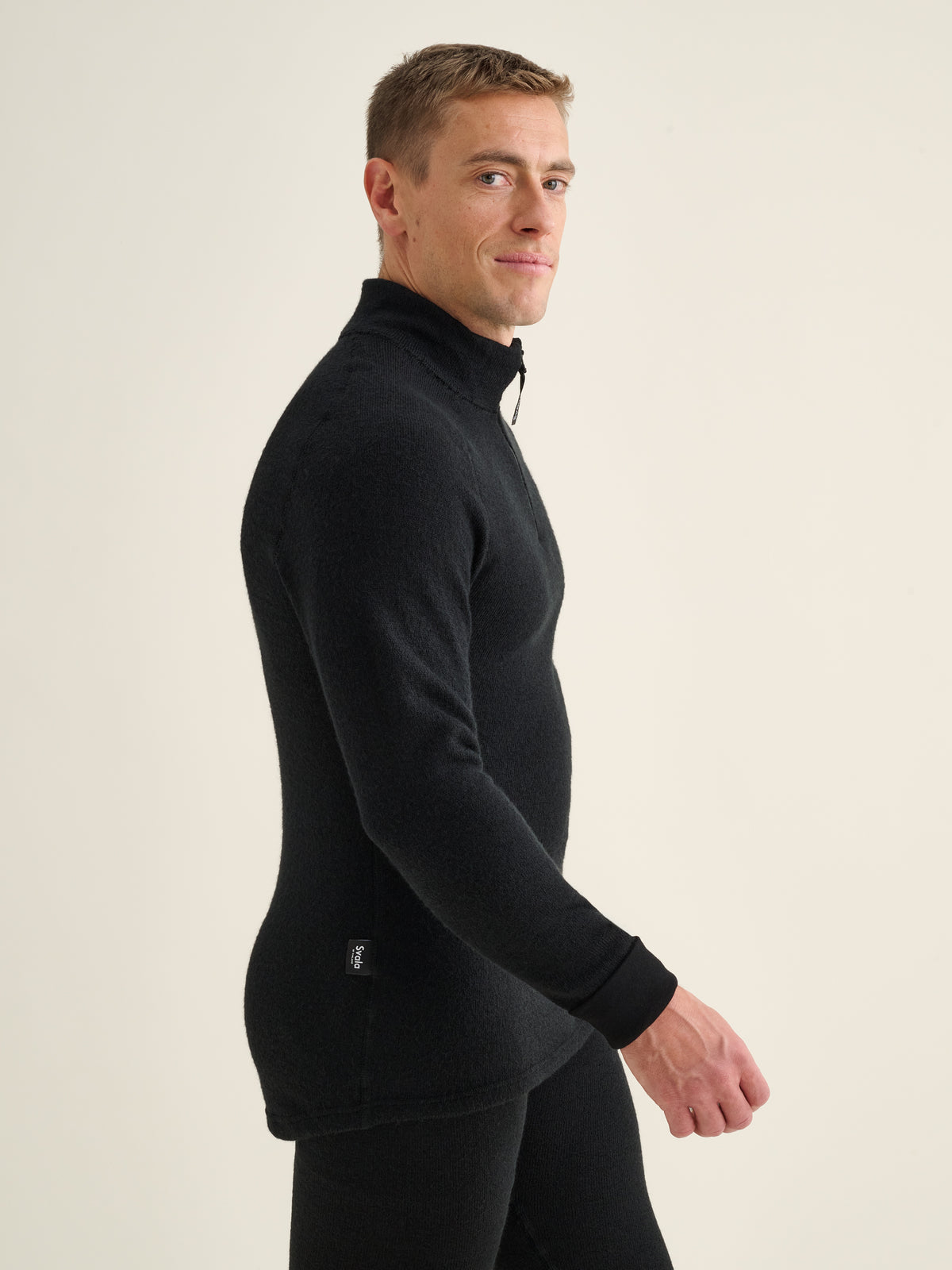
Men's Original Airbase 120 mesh set

Women's Original Airbase 120 mesh set
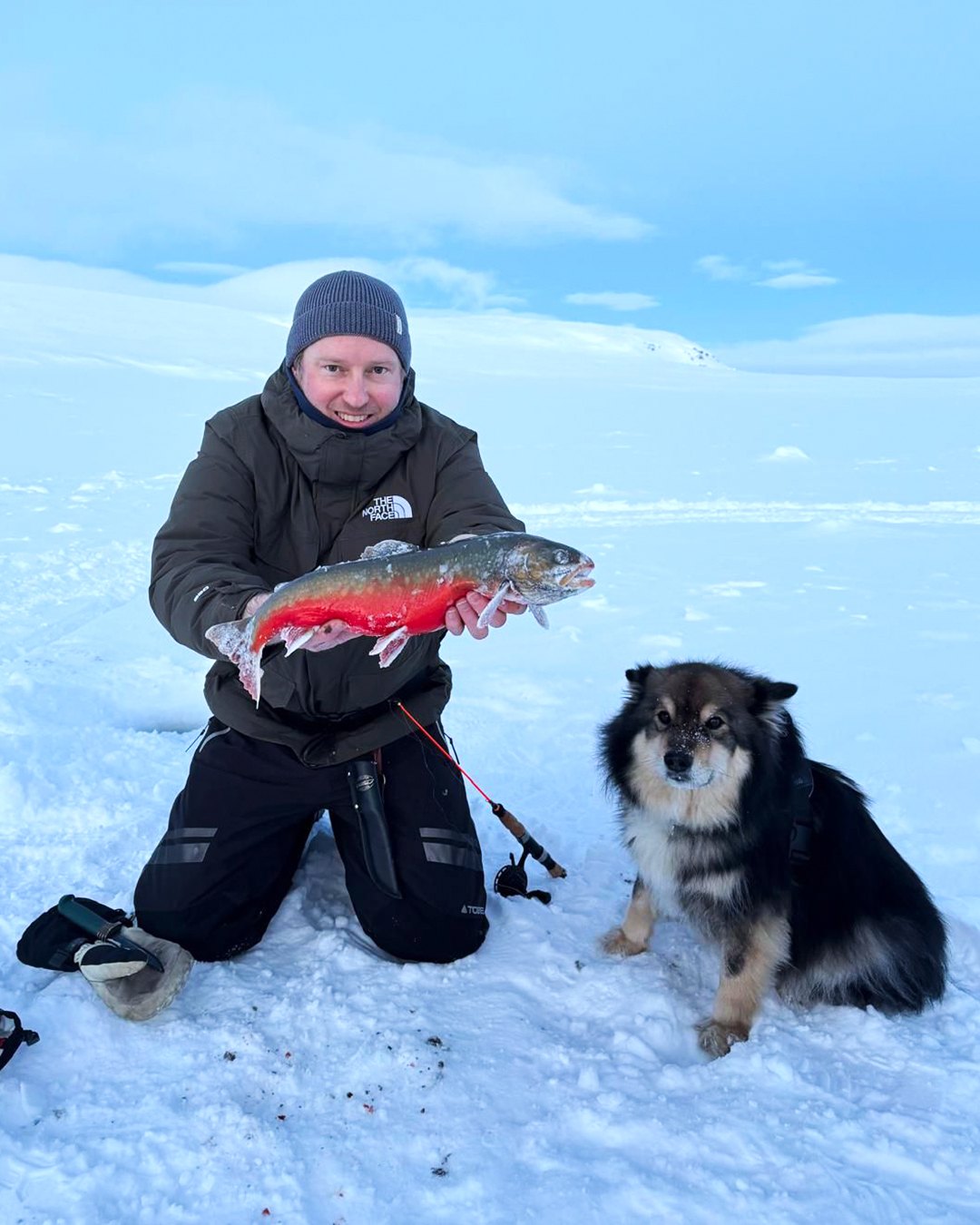
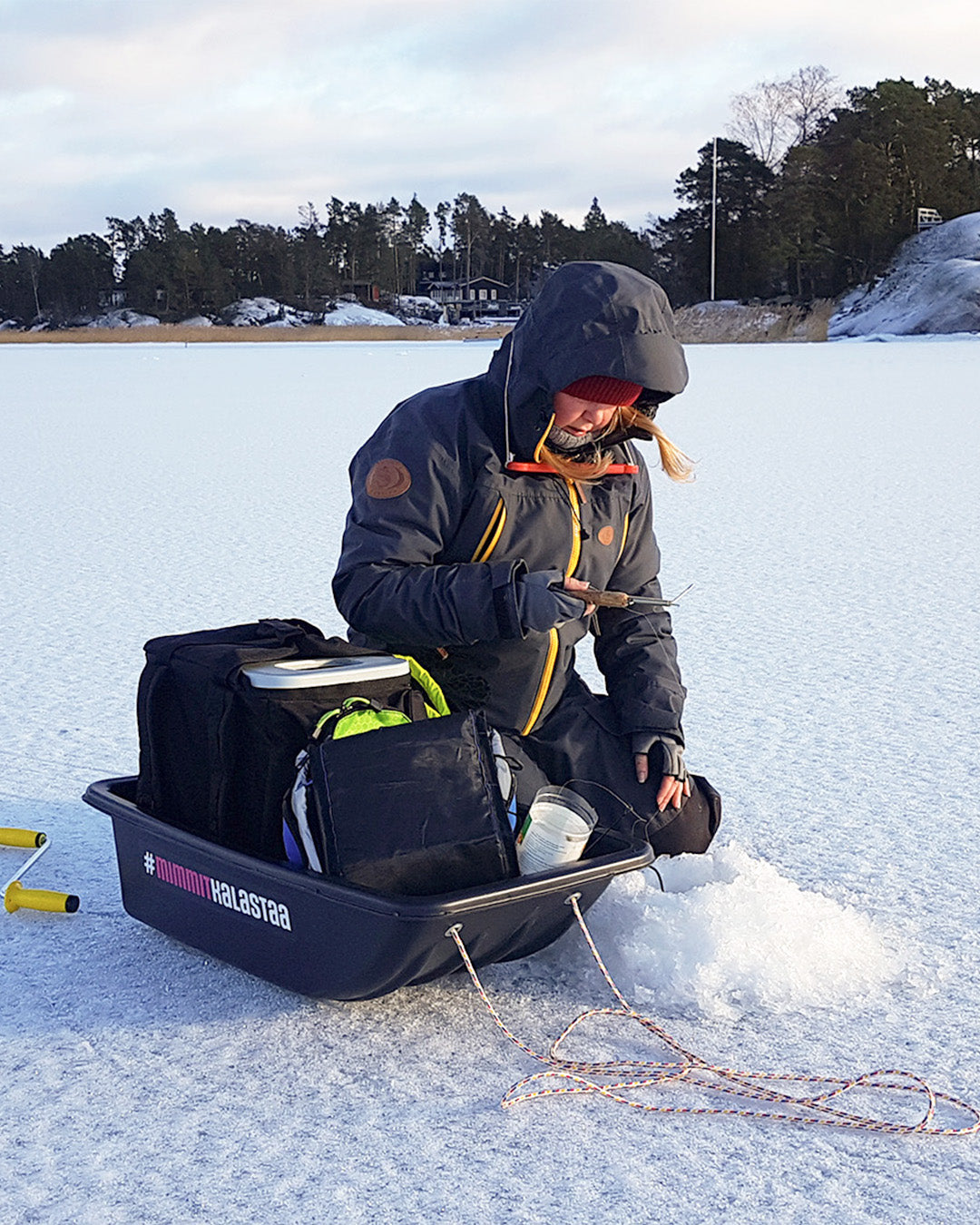
“When you’re out on skis looking for willow grouse or heading to a good Arctic char spot, the kilometres add up and your gear has to be right. Svala’s mesh layers are must-have kit for trips like these.”

Base Layer – Temperature regulation
When you slow down or stop for a break, your body no longer generates heat in the same way, and you need a layer that keeps you warm. A warming merino layer is worn over Airbase. Merino regulates temperature in both directions, so it does not feel stifling when you are moving or leave you cold during a break. It keeps you warm even when damp with sweat, which is crucial in skiing, where a lot of sweat accumulates on the body.
Together, Airbase and Merino Extreme are the best layering combination for skiers: the mesh layer moves moisture away from the skin, while Merino Extreme provides warmth even when damp. Its dual-layer construction combines the warmth of merino wool with the moisture-wicking properties of a technical fabric, so it keeps you warm while remaining breathable even at a fast pace. This means the same shirt works both on a sweaty climb and during a chilly break.

Men's Merino Extreme 200 base layer set

Women's Merino Extreme 200 base layer set

Mid Layer – Thermal insulation
When temperatures fall further below freezing or you take a longer break, you need an insulating layer over the previous two layers. A warm mid-layer goes over the merino wool to provide extra warmth when your body no longer generates it itself.
Svala’s Polartec® Alpha™ hoodie is ideal for this, as it is lightweight, provides warmth even when slightly damp and breathes so well that you can keep it on while moving. It regulates warmth for you as you alternate between intense activity and gentler stretches, so you do not need to keep taking it off and putting it back on. You can leave this layer at home for a brisk outing and put it on in very cold conditions or during a long break.

Men's Polartec Alpha 90 hoodie

Women's Polartec Alpha 90 hoodie

Shell Layer – Weather protection
The outermost layer completes your layering: a lightweight shell jacket or a windproof cross-country ski jacket. Its job is to block the wind and keep snow and sleet out, so the warm air trapped in the layers beneath cannot escape. Protection alone is not enough, however: the shell must also be highly breathable. Your body produces a lot of moisture when you ski, and if it cannot evaporate, it soaks the layers from the inside. That is why many skiers leave the shell off entirely on a brisk session and only put it on for descents or breaks.
Choose a shell with enough room for your other layers, as the air between the layers keeps the warmth in. Svala’s own shell layer, Ventile, is not just a ski jacket, so the same shell goes with you on runs and everyday outdoor outings too.

Men's Ventile 200 jacket

Women's Ventile 200 jacket

You do not need everything at once – start here
The system works best when you wear all the layers to suit the weather and your pace, but you do not need to buy everything at once or replace your entire wardrobe. The AIR System™ also works with the clothing you already own. If you are starting from scratch, start with what you wear next to your skin: it is the most important part of the whole system. The most reliable foundation for a ski session is Airbase mesh knit next to your skin with merino over it. On top of these, add an insulating layer and a shell to suit the weather.
If you already have one of the layers sorted, buy only what is missing:
- Do you already have a merino wool base layer? Complement it with Airbase: wear the mesh layer next to your skin under the merino, and you will stay drier than with merino alone.
- Are your next-to-skin and warm layers already sorted? For severe cold and long breaks, add the lightweight Polartec® Alpha™ hoodie, which you can also keep on while you ski.
- Do you already have a cross-country ski jacket or a shell jacket? There is no need to replace it. Make sure it is breathable and has enough room underneath for your other layers.
This way you can build a practical system at your own pace. Although we put these layers together for cross-country skiing, they will not sit unused in your wardrobe: the same layers also work for other winter outdoor activities and change seasons with you.

Four layers, one effective system
Layer: Zero Layer - next-to-skin performance