



Reliable clothing for paddlers in every layer
For paddlers, the water is the thermometer
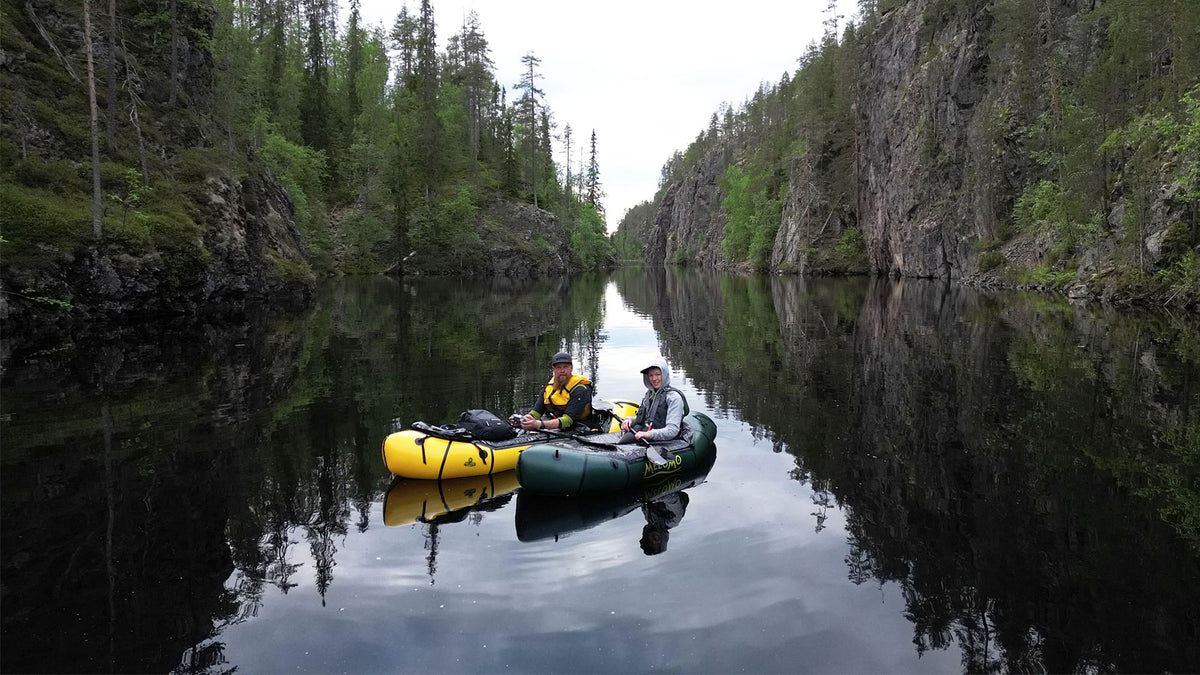
The paddling season starts when the ice breaks up and carries on well into autumn. One person heads out for an evening paddle on a familiar lake, another takes a canoe down a river for a weekend camping trip, and a third sets off in a sea kayak for several days in the outer archipelago. One thing is common to them all: when paddling, you usually dress for the water temperature, not the air temperature. On a sunny May day the air can be close to +20 °C while the water is only a few degrees, and even then you wear a paddling jacket or a drysuit. Crossing open water into a headwind, you soon warm up. At the same time, water runs off the paddle into your sleeves and moisture builds up under the spraydeck. When you land and take breaks, what you put on before setting off decides whether you stay warm and dry.
On this page we have put together the go-to clothing for paddlers, one garment for each layer, and explain which moment of a paddling day each one handles best.
Layers that work under your paddling jacket
The Zero Layer moves moisture away from your skin when you warm up paddling, the Base Layer balances warmth and moisture when the water is cold, and the Mid Layer insulates when you land, take breaks and make camp. On the water, your Shell Layer is a jacket or drysuit designed for paddling, and the Svala layers are worn underneath it.

Four layers, one complete set
A paddling day often alternates between long stretches on the water and breaks: sometimes you paddle for an hour without stopping and warm up, sometimes you sit on a rocky shore with your packed lunch. On a calm lake in July, Airbase alone is often enough, but on cold May water or in an October crosswind every layer earns its place. Together they form the Svala AIR System™ layering system, in which every garment has its place and the air trapped between the layers keeps you warm. Under your paddling jacket or drysuit, wear as many layers as the water temperature and the length of your trip call for.

Zero Layer – Next-to-skin performance
Paddling a touring kayak or canoe, you often warm up within the first hour, especially into a headwind or when crossing open water. A paddling jacket or drysuit does not let all the moisture out, and under the spraydeck the air stays damp for the whole stretch. At the same time, water running off the paddle soaks your wrists and sleeves, and in a canoe the spray easily lands in your lap too.
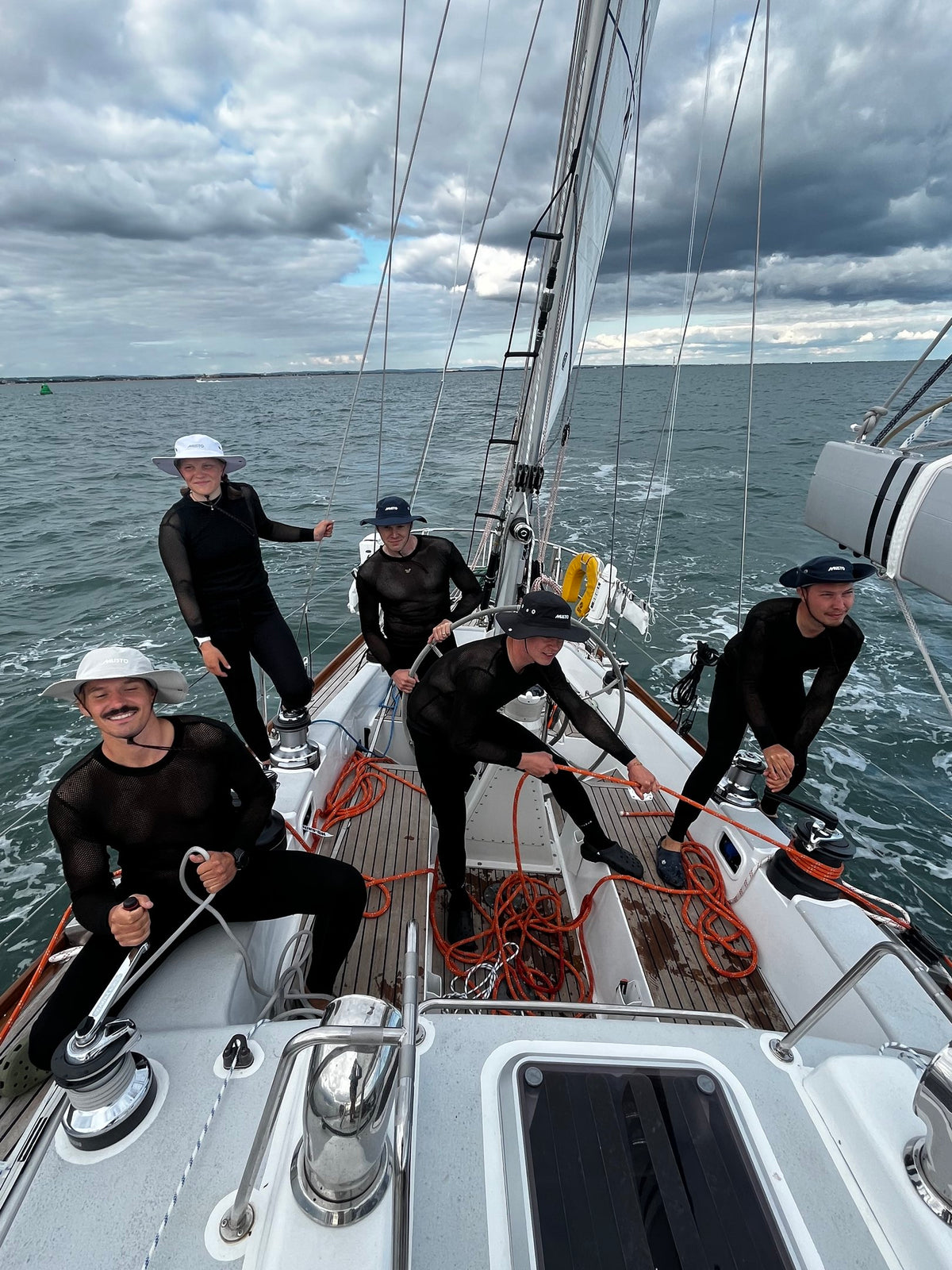
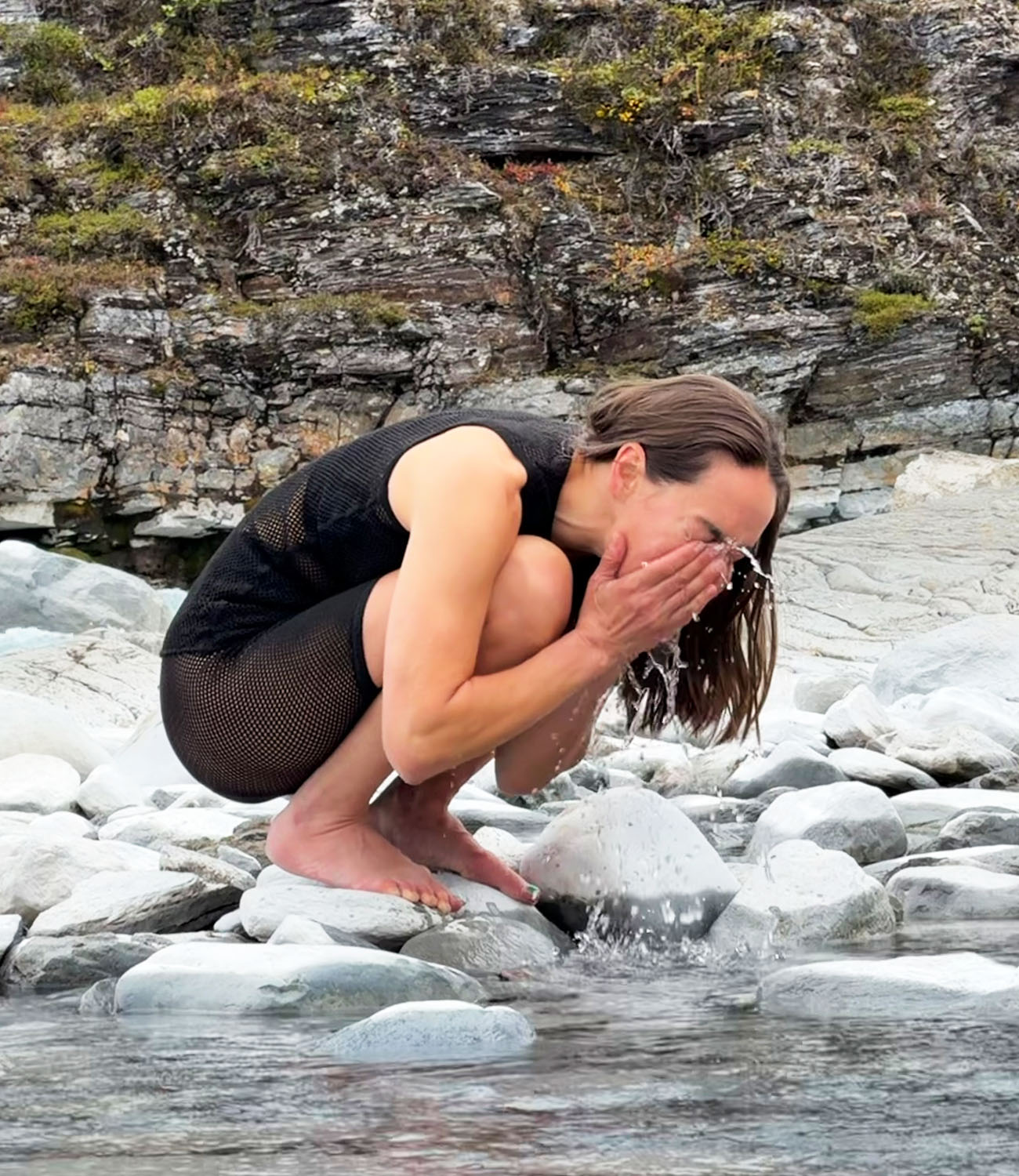
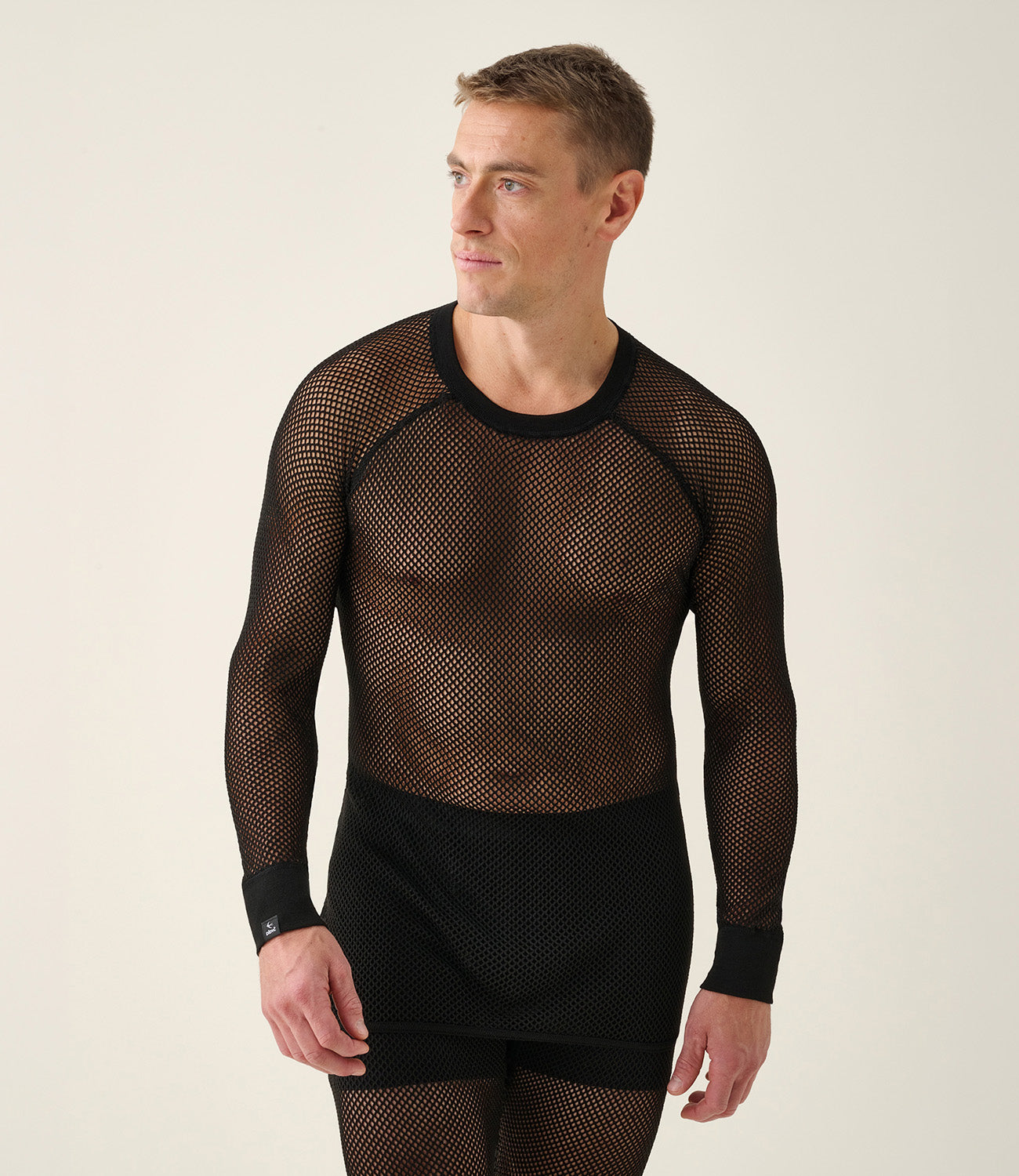
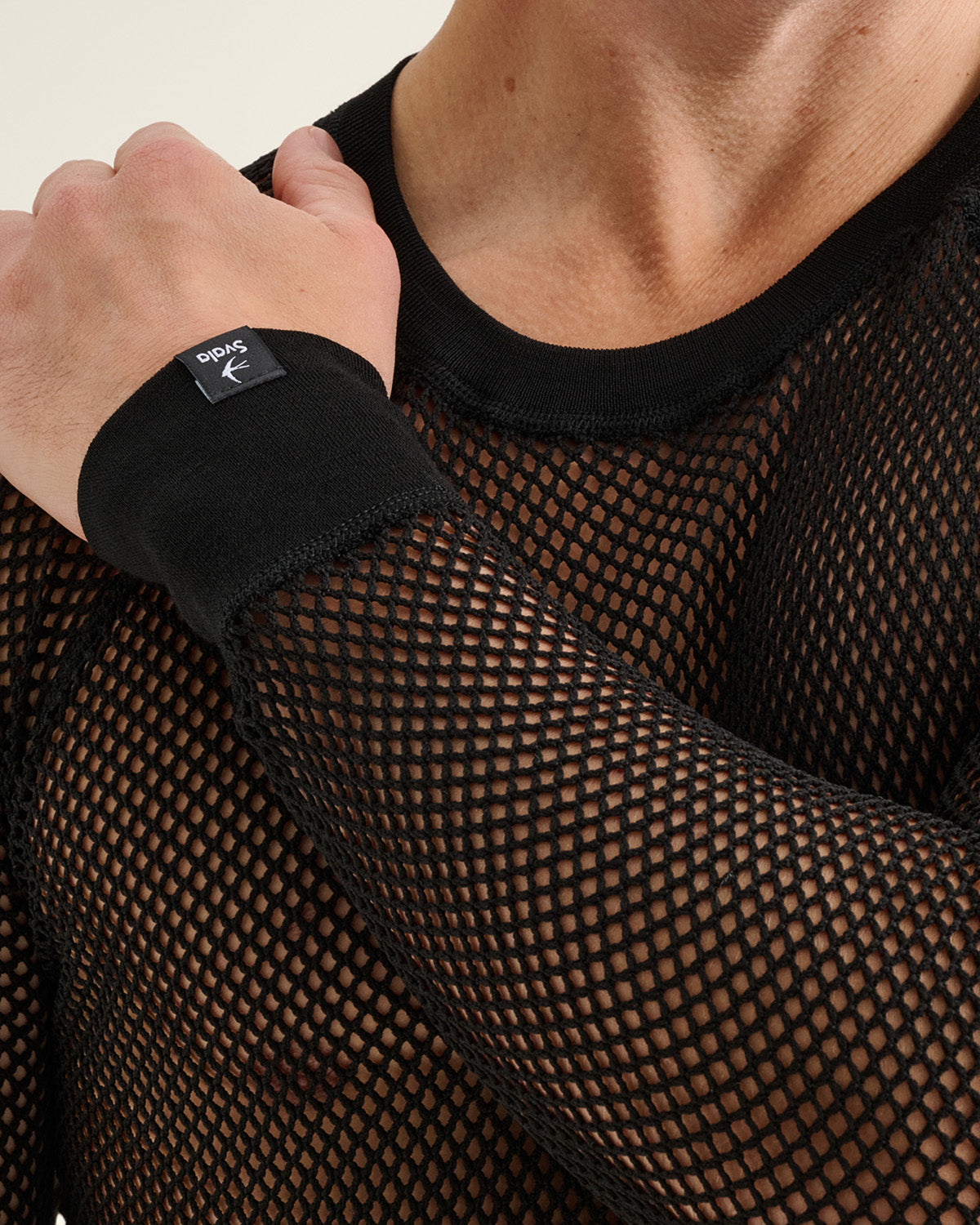
That is why you wear an Airbase mesh shirt and mesh bottoms next to your skin. Airbase is 100% polypropylene, which does not absorb moisture but moves it from your skin to the next layer. When you land or take a break, your skin is dry and a damp undershirt does not draw heat away on a windy rock. A cotton undershirt, on the other hand, would stay wet and cold against your skin, so it is best avoided as underwear.
The loops in Airbase's 120 g/m² 3D mesh knit trap air in a thin layer against your skin: it cools you while you paddle and insulates on shore. Under a drysuit, the mesh also keeps the suit fabric off your skin, so it does not stick to a sweaty back. The silver-ion treatment in the core of the fibre keeps the garment fresh, so one Airbase is enough for a trip of several days. In camp you can hang it up to air for the evening, and by morning it is ready for the next stretch.

Men's Original Airbase 120 mesh set

Women's Original Airbase 120 mesh set
“When I travel upstream by canoe in the wilderness and paddle for up to 14 hours a day regardless of the weather, I inevitably feel miserable at some point. Airbase has kept me going through difficult moments when cold rain and intense physical exertion have put both my equipment and me to the test."


Base Layer – Temperature regulation
On spring and autumn trips the water is often colder than the air, and the hull of your kayak sits against cold water all day. Your upper body works hard, but your legs stay almost still under the spraydeck or on the floor of the canoe hour after hour. That is why base layer bottoms matter as much as the top when paddling.
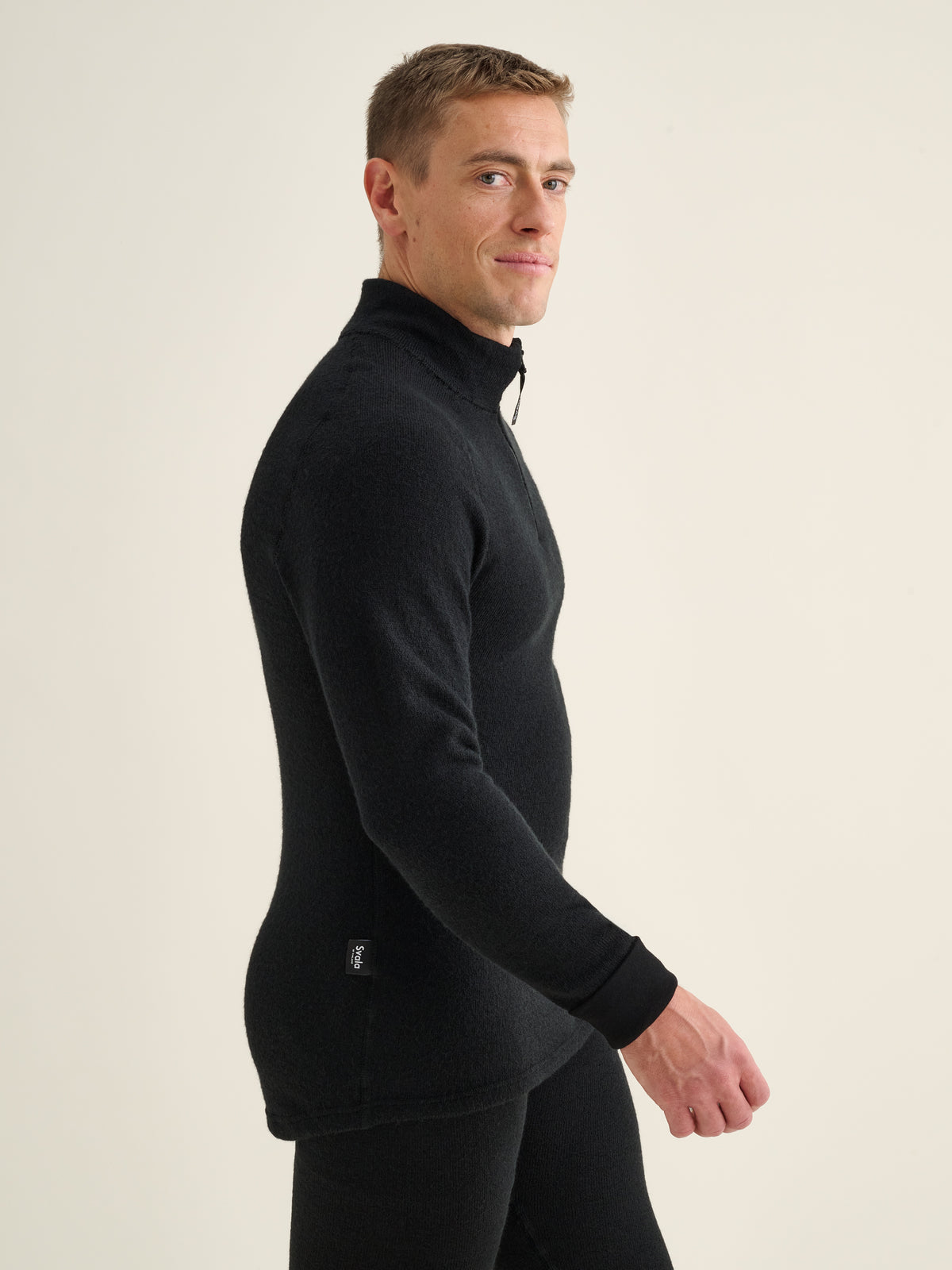
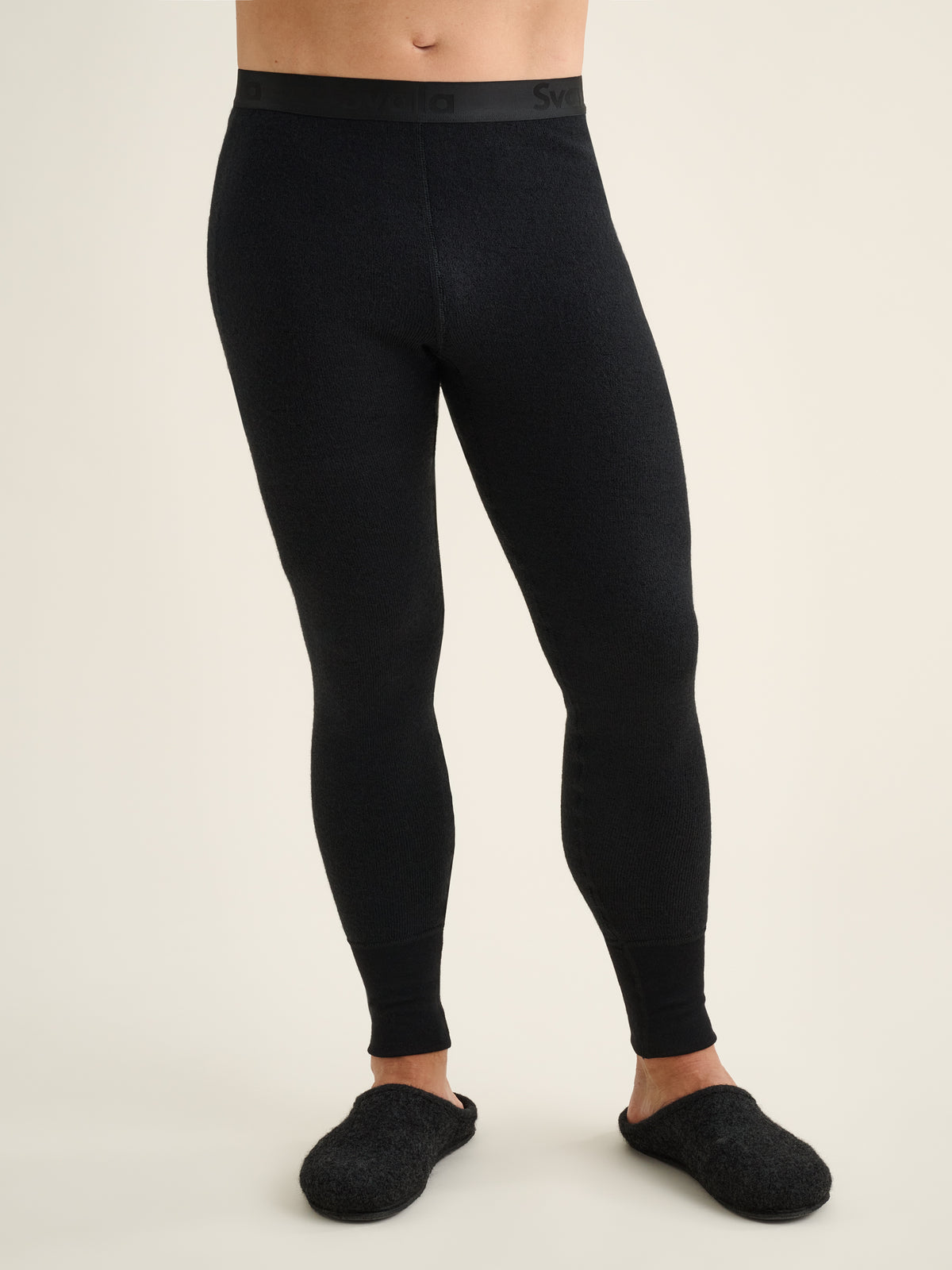
Over Airbase you wear a Merino Extreme base layer top and bottoms. In the double-layer construction, polypropylene on the inside moves moisture onwards and merino wool on the outside insulates. Merino wool absorbs moisture into the fibre and releases it gradually, so it evens out moisture and temperature close to your skin and does not feel wet straight away. When you sweat heavily, merino can get damp too, which is why Airbase goes underneath. The combination also works in warmer weather: when the sun comes out halfway across open water, you do not overheat.
On cold water, some paddlers put even more layers on their legs than on their upper body, while others rely on the spraydeck to keep the wind off their legs. Merino Extreme is made for temperatures from −30 to +15 °C, so it goes with you from spring trips just after the ice breaks up to paddles late in autumn.

Men's Merino Extreme 200 base layer set

Women's Merino Extreme 200 base layer set

Mid Layer – Thermal insulation
Landing and breaks are the coldest moments of a paddling day. You climb out of the kayak with wet trouser legs onto a windy rocky shore, your heart rate drops and even a light breeze hits you straight away. There is plenty to do in camp as the tent goes up, the stove hisses and the kayak is pulled up the shore, but you move less than on the water.
On the water you rarely add layers, because your buoyancy aid and spraydeck are on. So you pack your mid-layer at the top of your dry bag and put it on as soon as you land. The Polartec Power Stretch Pro™ mid-layer set is well suited to this. The brushed inner face of the stretch knit traps insulating air and feels soft. The breathable knit moves moisture outwards and dries quickly.
The fabric stretches in every direction as you crouch by the stove, and the mid-layer bottoms insulate your thighs and seat as you sit on the rocks. Power Stretch Pro™ is not windproof, so on a windy camp islet you need a jacket over it. On the coldest water, just after the ice breaks up and late in autumn, many paddlers also wear a mid-layer under their drysuit.

Men's Polartec Power Stretch Pro hooded top
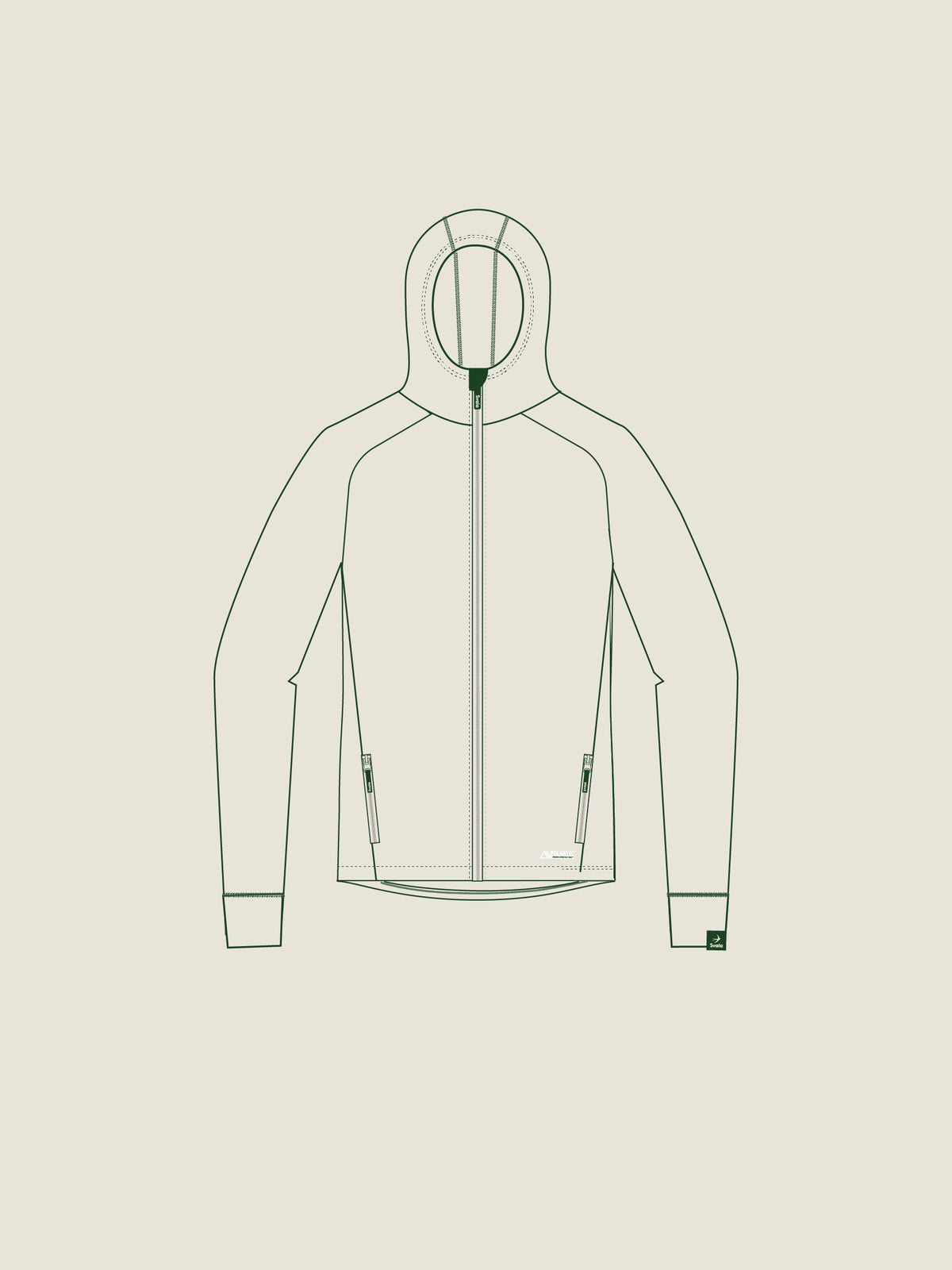
Women's Polartec Power Stretch Pro hoodie

Shell Layer – Weather protection
On the water, your Shell Layer is a jacket or drysuit designed for paddling. Spray comes with every stroke, and on cold water the neck and wrist seals keep the water out. The shell must also breathe, so that the moisture you produce while paddling does not stay inside and soak your layers.
Paddlers have many views on the shell. Some swear by a drysuit, others by a paddling jacket and trousers, which are easier to put on and air, and in warmer water many paddle in neoprene. On a calm lake in July, the shell often stays in the dry bag altogether. Your shell is roomy enough when all your layers fit underneath with insulating air between them.
On shore, during breaks and in camp, you take off your paddling jacket or drysuit. That is when Svala's own Shell Layer, the Ventile 200, comes into its own. It is a membrane-free jacket made from very tightly woven long-staple cotton. When it gets wet, the fibres swell and the weave tightens, so the fabric keeps out light rain and showers and breathes without a membrane.

Men's Ventile 200 jacket

Women's Ventile 200 jacket

You do not need everything at once – start here
The system works best when you choose your layers to suit the water temperature and the length of your trip, with an extra layer in your dry bag. If you are starting from scratch, your first purchase should be the layers next to your skin, as they decide whether you feel sweaty or dry under your paddling jacket. Airbase next to your skin with Merino Extreme over it is a pairing that will take you a long way on spring and autumn trips.
If you already have one of the layers sorted, just get what is missing:
- Do you already have a merino wool base layer? Complete it with Airbase. With the mesh layer next to your skin under the merino, you land drier and the merino insulates better.
- Do you already have Airbase and merino? Add a Polartec Power Stretch Pro™ mid-layer set, which you take out of your dry bag and put on as soon as you land.
- Do you already have a paddling jacket or drysuit? There is no need to replace it, as long as your other layers fit underneath without squeezing. The air between the layers is part of the warmth.
Although we put these layers together for paddling, they will not sit in the wardrobe between trips: the same garments also work for fishing, hiking and other time on the water.

Four layers, one effective system
Layer: Zero Layer - next-to-skin performance