




A whitewater paddler's go-to clothing for every layer
Why staying warm is a safety issue, even when you're wet
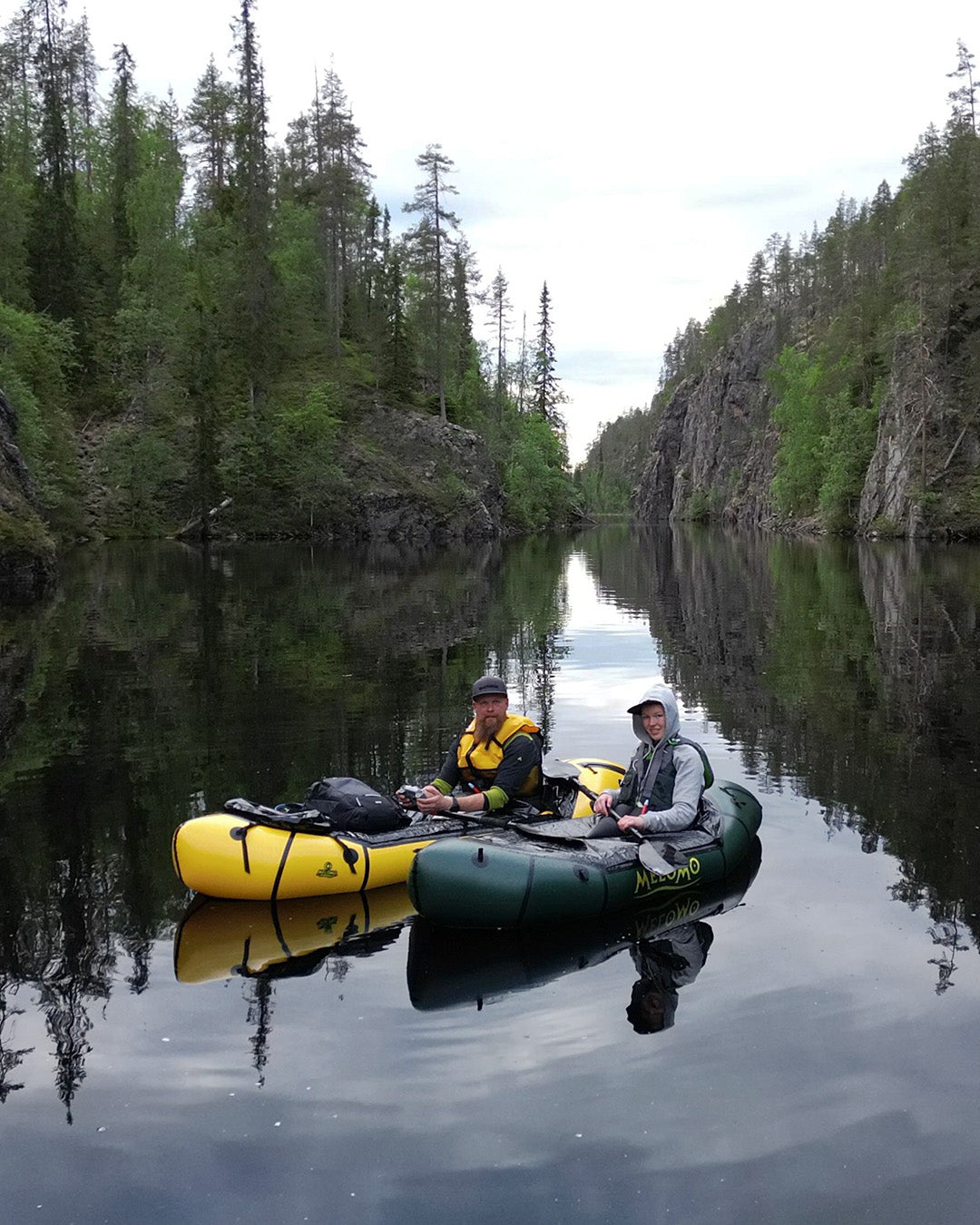
You always get wet in whitewater, and the water is often cold even in summer. Waves break over the sides and spray soaks you, and hard paddling alternates with waiting in calmer stretches. Your body both sweats and cools down during the same run. So choosing what to wear isn't just about comfort: it decides whether you stay warm and able to act for the whole trip. This applies under a drysuit too.
You'll get wet anyway, so choose a material next to your skin that works when wet. Avoid cotton underwear, as it stays cold and clammy when wet. That's why this page brings together a ready-made kit that works: one go-to garment for each layer, whether you paddle a whitewater kayak, an open canoe or a packraft.
One go-to garment for each layer
You don't need to compare dozens of options or guess whether the garments work together. Here is a set in which each layer is designed to work with the next: the Zero Layer wicks moisture away from your skin, the Base Layer regulates warmth, the Mid Layer insulates on the bank and the Shell Layer protects you from the weather. Merino and Airbase take care of moisture and warmth, so you can focus on the rapids and the next wave.

Four layers, one set that works
In whitewater, layering works a little differently from activities on land. Next to your skin goes a moisture-wicking layer, with a temperature-regulating layer over it, and both stay on for the whole trip. On the water, the outermost layer is a shell: a paddling jacket or a drysuit. When you come ashore, wind and spray cool your body quickly, so you add an insulating layer over these layers. We've chosen go-to garments for each layer that work in wet and cold conditions. Together, they make up the Svala AIR System™.

Zero Layer – Next-to-skin performance
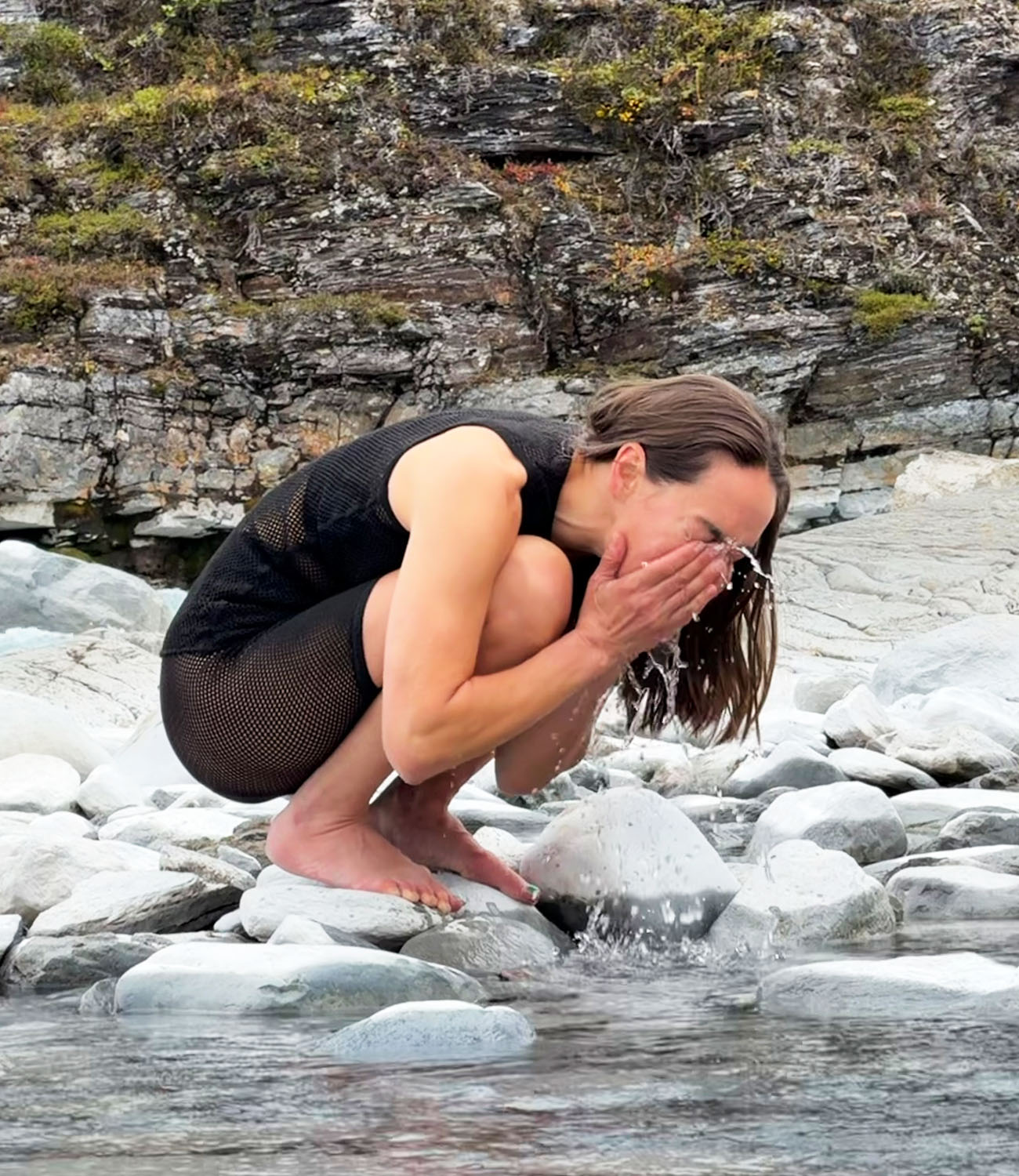
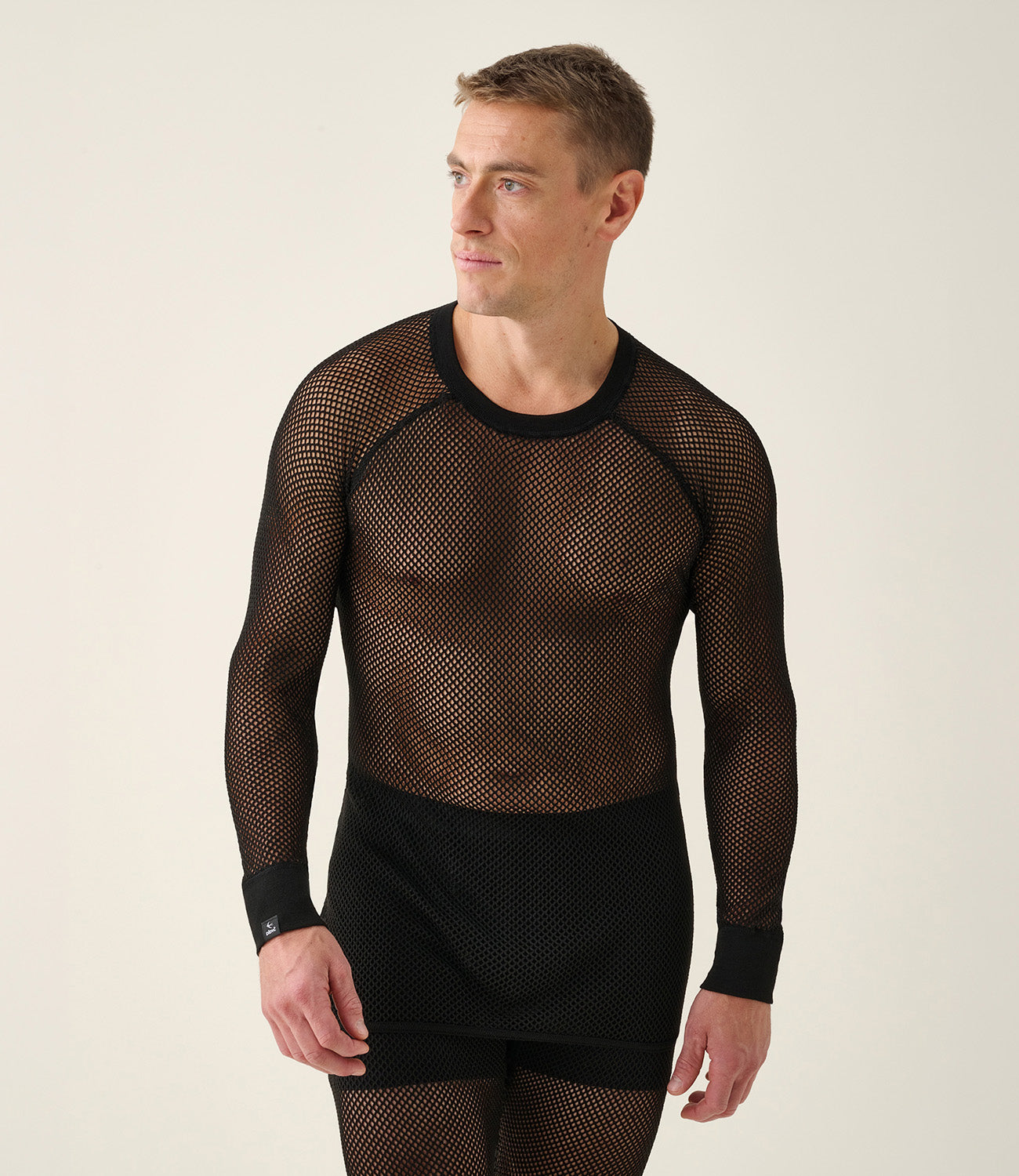
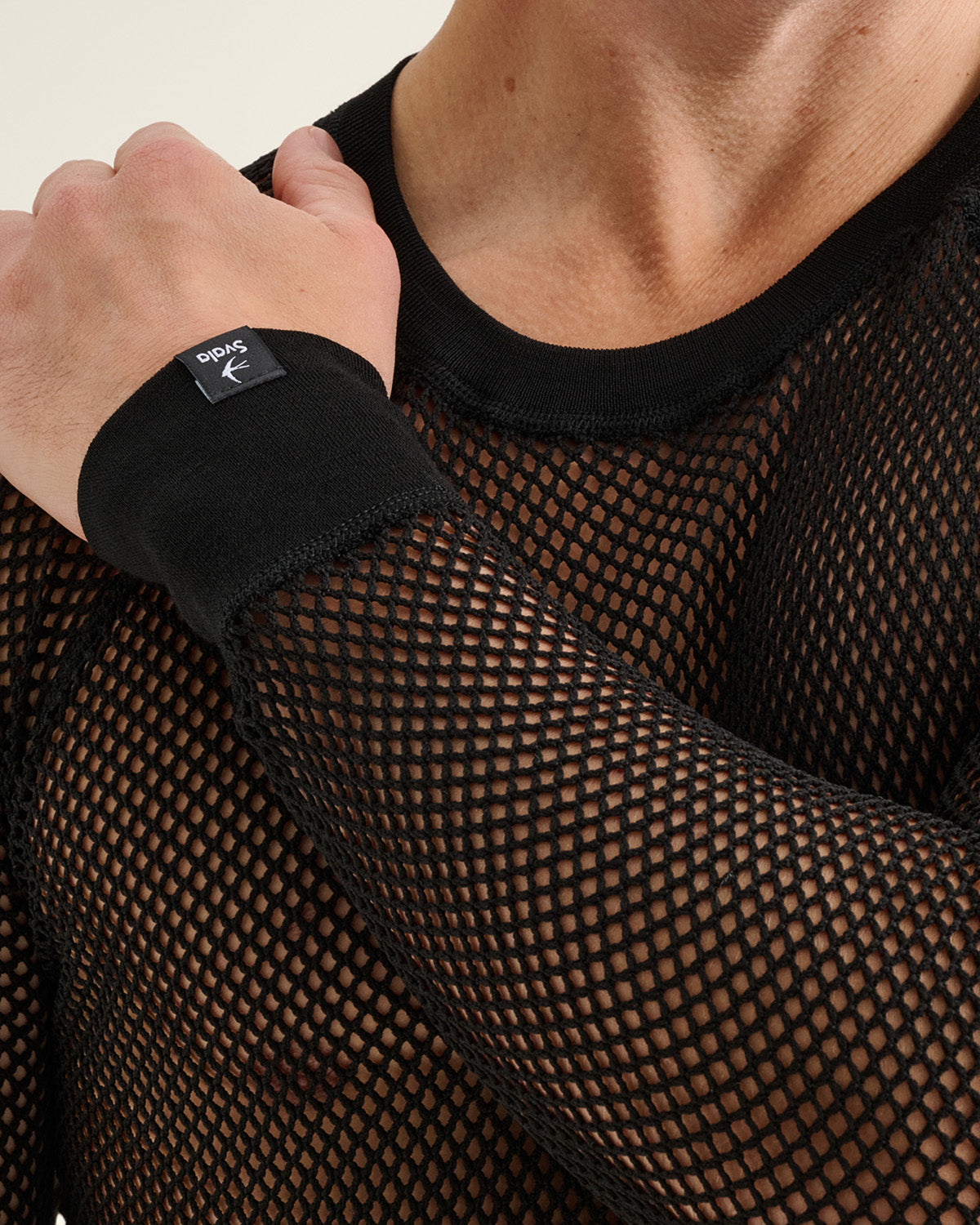
The rapids throw water over you, and hard paddling makes your body sweat. An Airbase mesh shirt and mesh bottoms worn next to your skin keep your skin dry. Airbase is 100% polypropylene, which absorbs no moisture at all but moves it away from your skin to the next layer.
Under a drysuit, the mesh structure does a second job too: it holds the close-fitting fabric of the suit away from your skin, and the air trapped in the loops forms an insulating layer against the cold river water. The silver-ion treatment in the core of the fibre inhibits the growth of bacteria, so Airbase doesn't start to smell even after a long day on the river.

Men's Original Airbase 120 mesh set

Women's Original Airbase 120 mesh set
“Cold water conducts heat much more effectively than air, which is why the layers beneath a drysuit are crucial not only for comfort but also for safety. I wear Airbase-base layers for whitewater kayaking in both summer and winter, and in colder seasons I add insulation with extra layers of merino wool. When paddling, the upper body generally gets much more exercise than the lower body, and in winter I like to wear several layers of merino bottoms and –socks!”


Base Layer – Temperature regulation
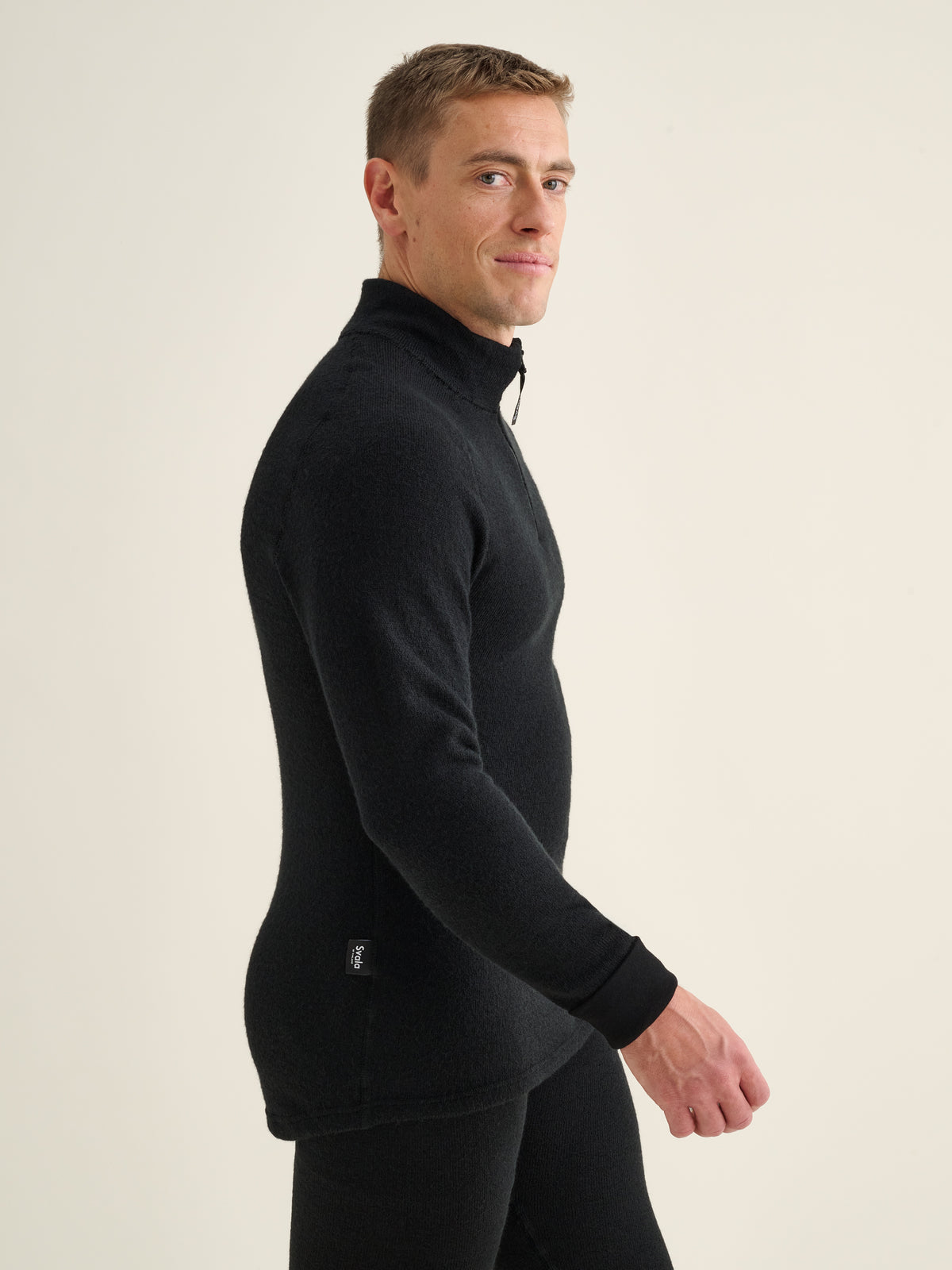
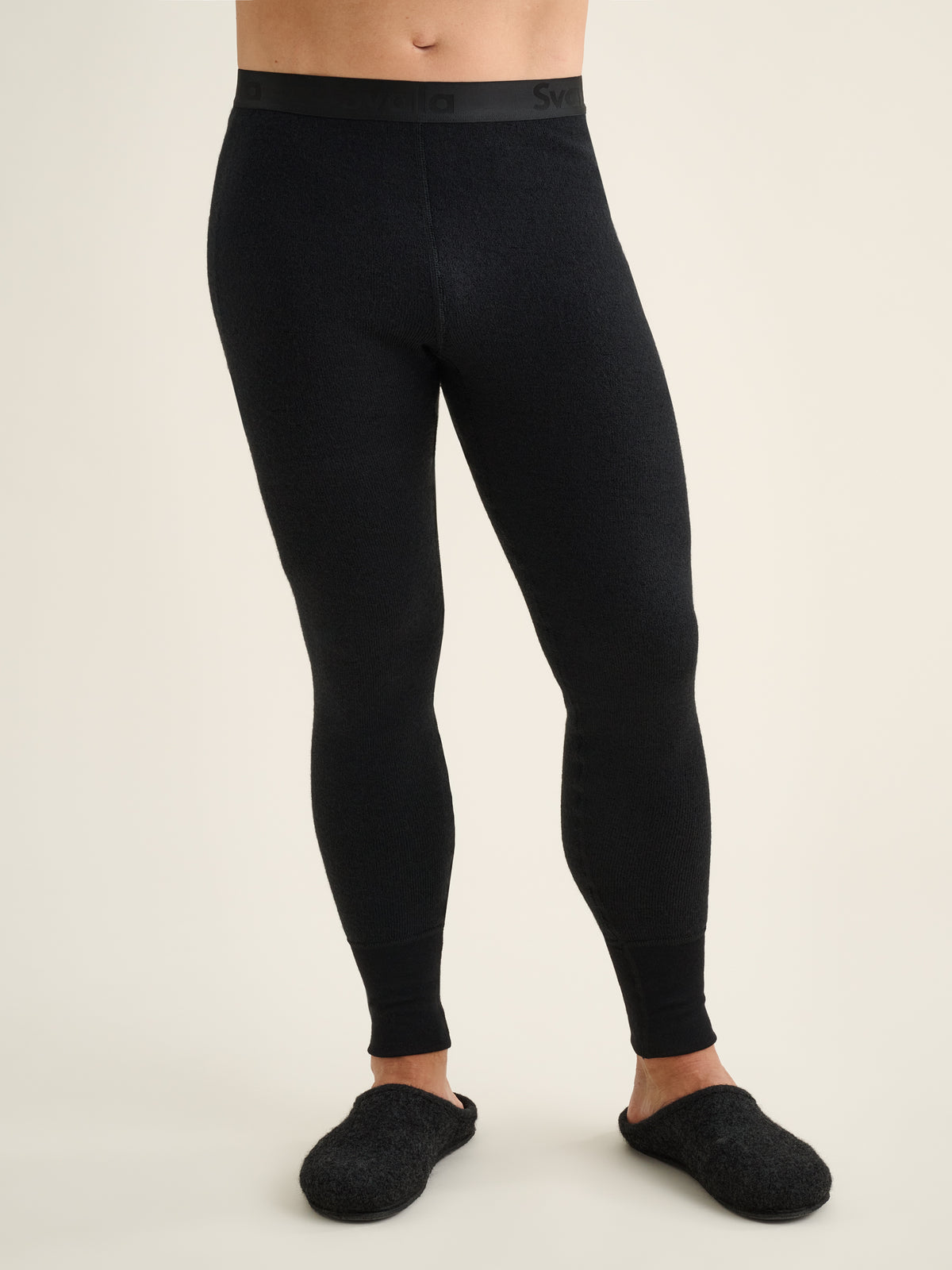
Over Airbase goes a merino layer, such as a Merino Extreme base layer top and bottoms. Merino wool absorbs moisture into the fibre and releases it gradually, so it keeps insulating and doesn't feel wet straight away. It's exactly this ability to even out moisture and warmth that makes it a go-to material for whitewater paddlers.
Together, Airbase and merino are the best layer pair for whitewater: the mesh knit moves moisture away from your skin and the merino regulates warmth even when damp. This is a big advantage on multi-day river trips: you can't always dry your clothes properly overnight, but mesh and merino garments are still comfortable to put on slightly damp the next morning.

Men's Merino Extreme 200 base layer set

Women's Merino Extreme 200 base layer set

Mid Layer – Thermal insulation
When you come out of the water, your body cools quickly when you're wet and the wind is blowing. This is when you need an insulating layer that you pull on straight after a run or on the bank between runs. Svala's Polartec Alpha™ hoodie works well here. The raised fibres and breathable mesh core of this lightweight technical insulation keep you warm even when slightly damp. The hoodie packs down small, so it's easy to bring along and quick to pull on at the riverside and on cool summer evenings.

Men's Polartec Alpha 90 hoodie

Women's Polartec Alpha 90 hoodie

Shell Layer – Weather protection
The outermost layer blocks the wind and keeps spray out. In independent whitewater paddling, this job is done by a drysuit, which keeps water out completely. Airbase and merino work well underneath it: they make sure your skin stays dry and warm even inside a close-fitting suit.
On the bank, during breaks and at camp, a light shell is enough to protect you from the wind. Svala's own shell, Ventile, works well here. It's breathable and keeps wind and light rain at bay, but doesn't feel as hot as coated rainwear. The same shell comes with you on your other outdoor activities too.

Men's Ventile 200 jacket

Women's Ventile 200 jacket

You do not need everything at once – start here
The system works best when you wear all the layers to suit the conditions, but you don't need to buy everything at once or replace your whole wardrobe. AIR System also works with the clothes you already have. If you're starting from scratch, start with the layer next to your skin: it decides whether you stay dry and warm. Airbase next to your skin and Merino Extreme over it form a pair that keeps you dry and warm even in cold water. This is the place to invest first.
If you already have one layer sorted, just get what's missing:
- Already have a merino wool base layer? Complete it with Airbase: wear the mesh layer next to your skin and your skin stays drier than with a merino base layer alone.
- Next-to-skin and warming layers sorted? For the bank and the breaks between runs, complete your set with a warming Polartec Alpha™ hoodie that you pull on as soon as you land.
- Already have a drysuit? There's no need to replace it. Make sure all the layers you need fit loosely underneath.
This way, you can build a system that works at your own pace. Although we put these layers together for whitewater, they won't just sit in your wardrobe: the same clothes work for all kinds of paddling and other outdoor activities, on land and on the water.

Four layers, one effective system
Layer: Zero Layer - next-to-skin performance