



Clothing freeriders trust for every layer
From the effort of the climb to the wind chill of the descent
In freeriding, your workload and the conditions change quickly over the course of a day. Climbing under your own power on skis, a splitboard or snowshoes generates plenty of heat and moisture, even in sub-zero temperatures. When the climb ends, your body's own heat production drops quickly, and as you eat your snack at the top and adjust your gear for the descent, the moisture built up on the way up starts to chill you. On the descent your speed picks up, the snow flies and the wind chill makes the cold feel even sharper. Layering that works keeps you comfortable from the first climb to the last line.
That is why we have put together a complete, proven set on this page: one go-to garment for each layer. With these garments, dressing is easy, whether you are an experienced freerider or just starting to ride beyond the marked pistes. You do not need to compare dozens of options or guess whether the garments work together. Here is a set in which every layer is designed to work with the next.
Every layer has its own job
The Zero Layer moves moisture away from your skin, the Base Layer balances your warmth, the Mid Layer adds insulation for the descent and the frost, and the Shell Layer protects you from wind and snow. Merino and Airbase take care of moisture and warmth, so you can focus on the next line and the untouched snow.

Four layers, one complete set
Layering is the answer to dressing for freeriding. For each layer we chose one go-to garment that copes with the changing workload of freeriding. Together they form Svala AIR System™ layering: four layers, each doing its own job, from the Zero Layer to the Shell Layer. You do not always need all four. For a short climb in mild weather, fewer are enough, while for hard frost and long days you take the whole system with you.

Zero Layer – Next-to-skin performance
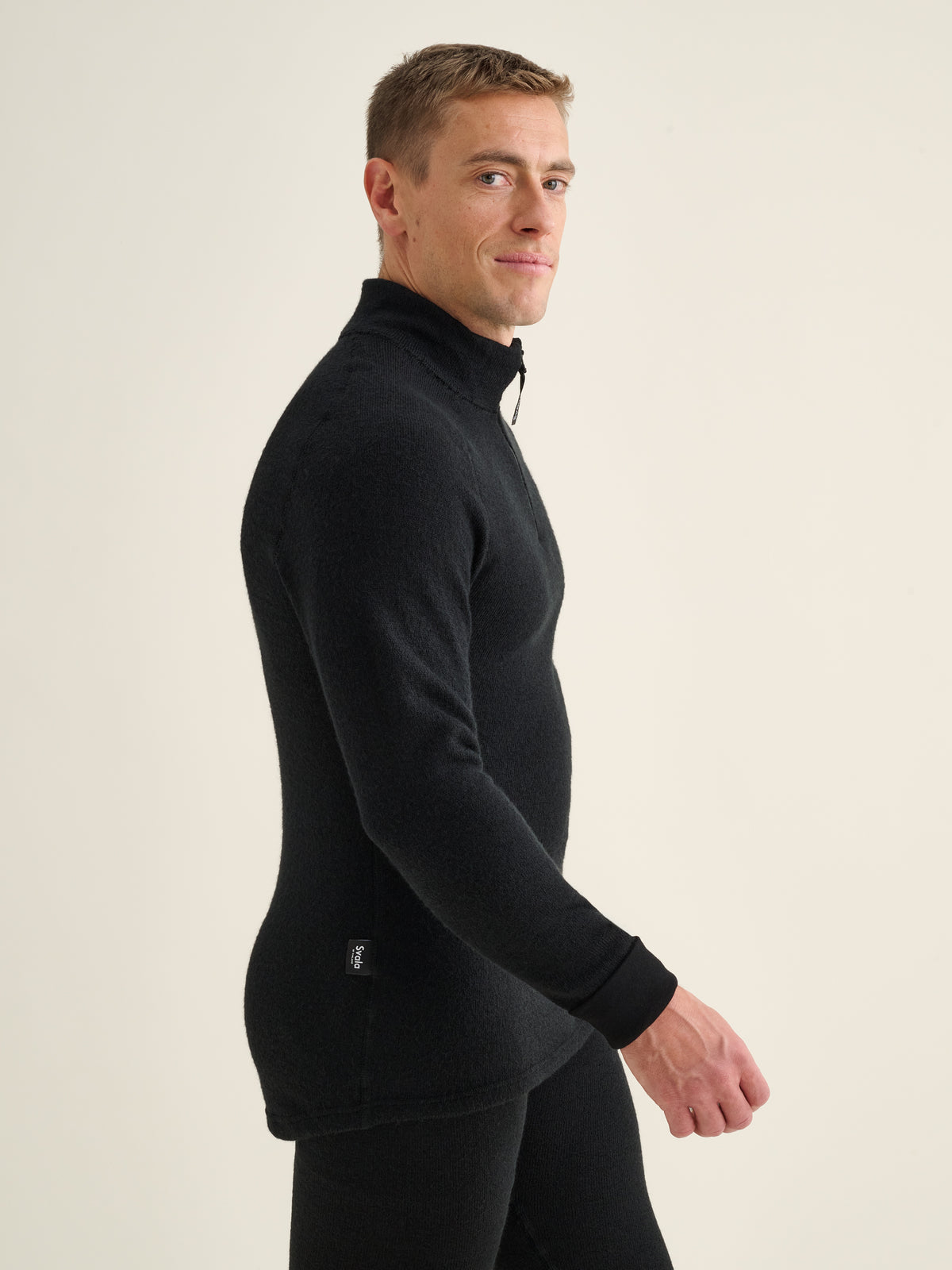
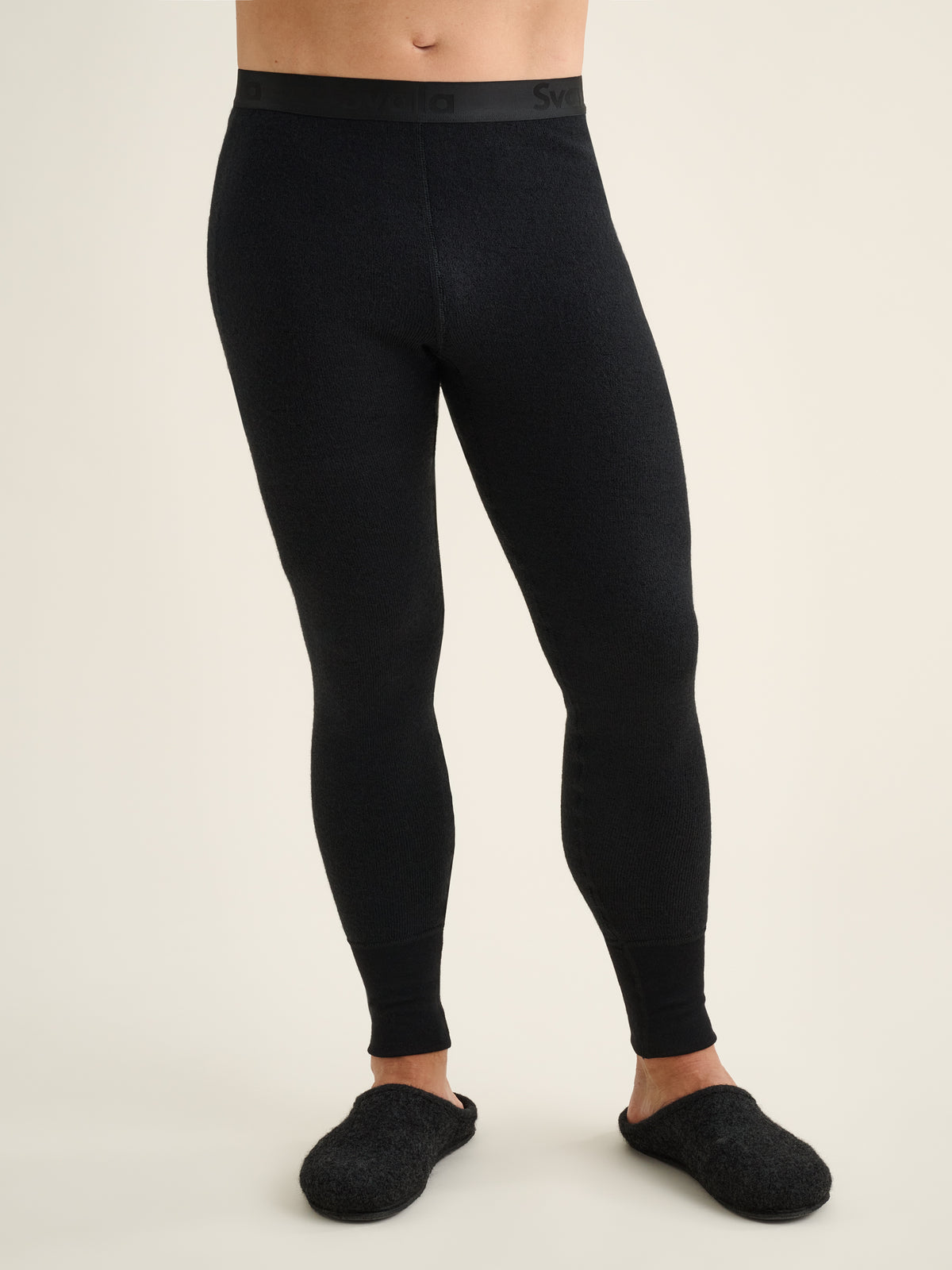
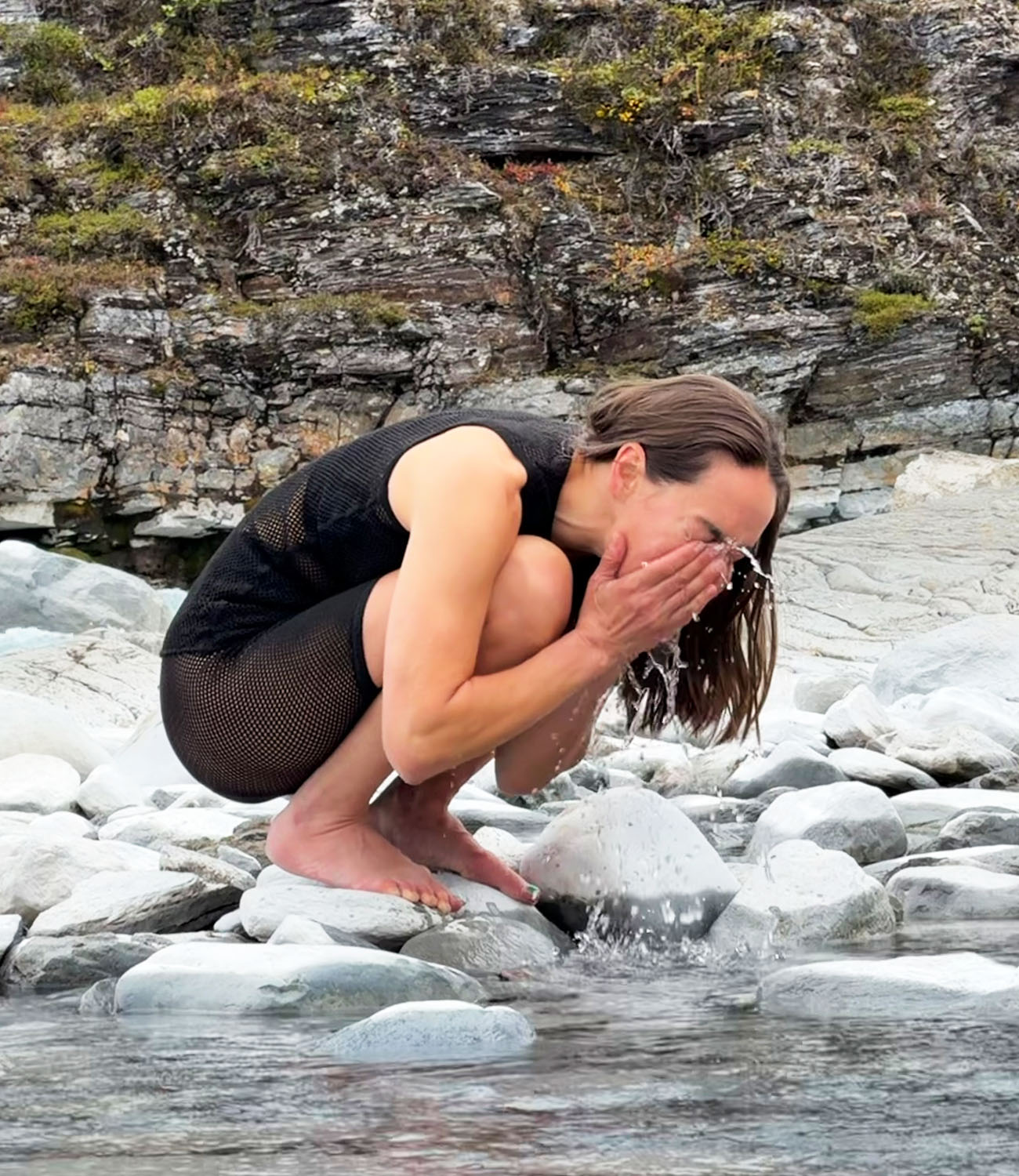
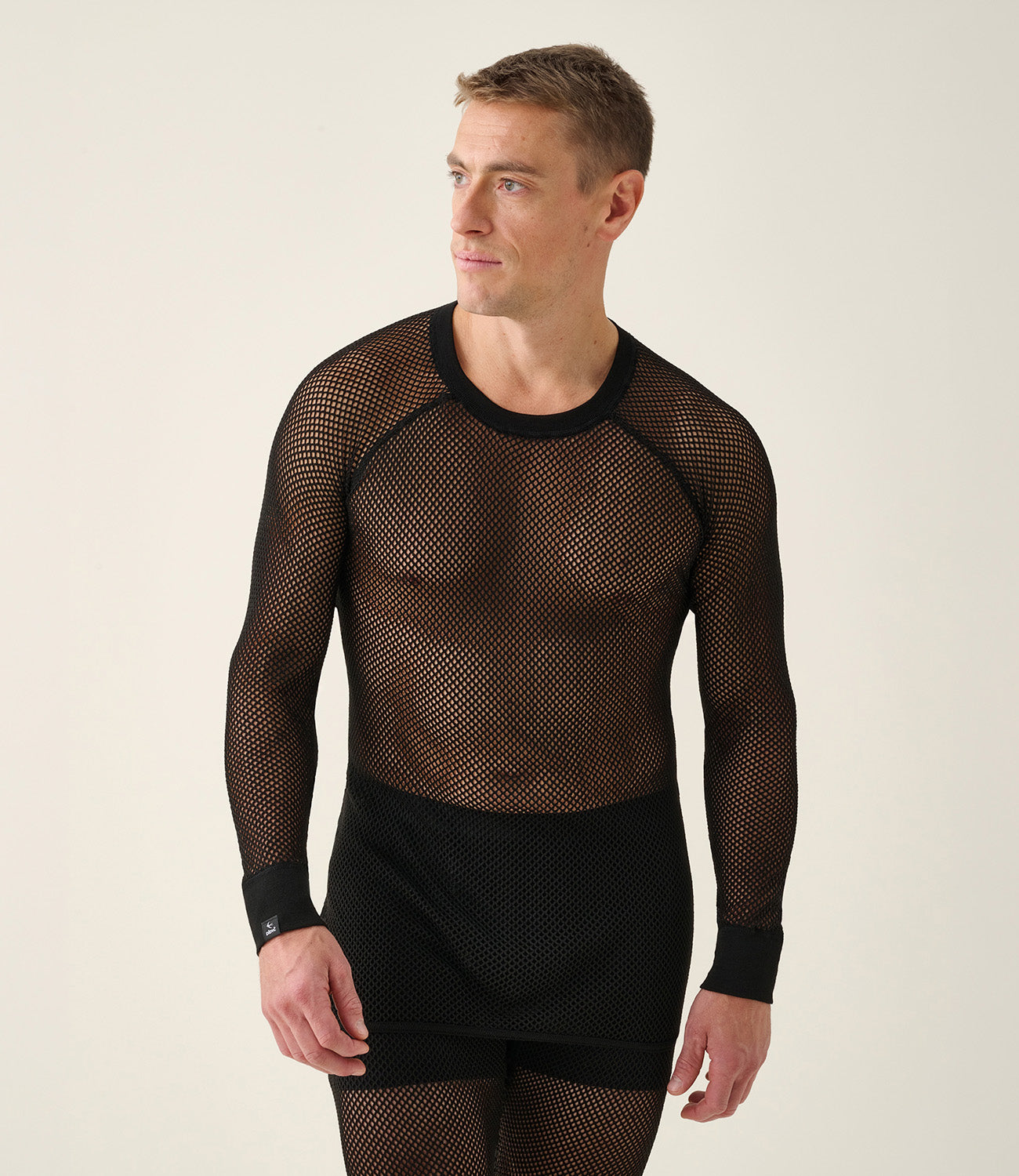
When you climb or ski towards the summit, your body is working constantly and you sweat despite the hard frost. Worn next to your skin, the Airbase mesh shirt and mesh bottoms keep your skin dry: Airbase is 100% polypropylene, which does not absorb moisture but moves sweat away from your skin to the next layer. So you do not get cold when you stop at the top or set off on the descent. These are exactly the moments when a damp layer would otherwise chill your skin and draw your warmth away.
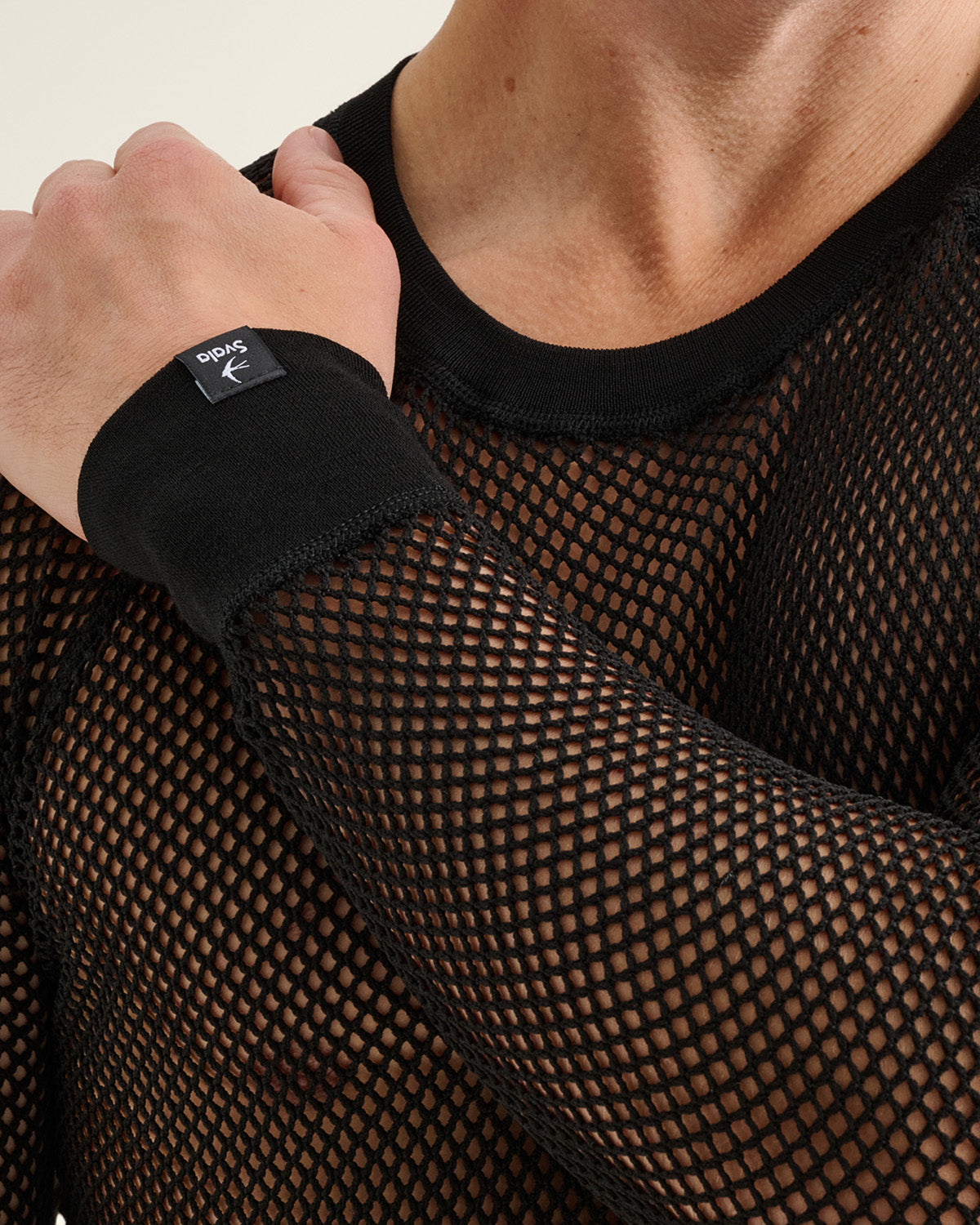
The loops in the 120 g/m² 3D mesh knit breathe and trap air, forming a thin layer against your skin: it cools you on the climb and insulates on the descent and at the top. Airbase is thin and stretchy, so it moves with your body through turns and jumps and you barely notice you are wearing it. The silver-ion treatment keeps the shirt fresh, so the same garment lasts for many days of riding.

Men's Original Airbase 120 mesh set

Women's Original Airbase 120 mesh set
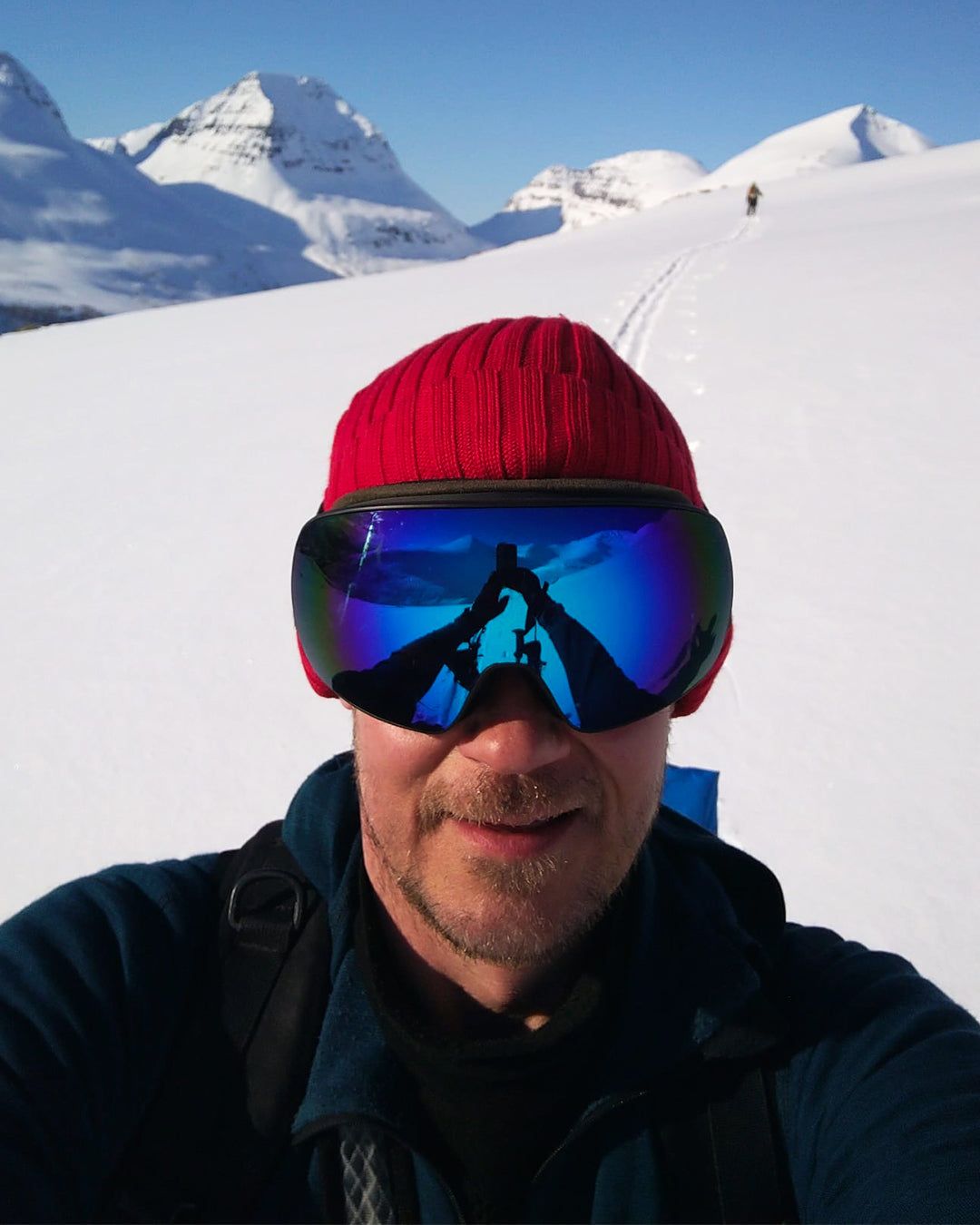
“When you're skinning up a slope, you're bound to get hot. Svala's clothing wicks moisture away from your skin really well, so you still feel comfortable.”

Base Layer – Temperature regulation
Over Airbase you wear a Merino Extreme base layer top and bottoms. Merino regulates warmth in both directions, so it does not feel stifling on the climb and helps you stay warm at the top and on the descent. It also keeps you warm when it is damp with sweat, which matters when a climb is followed straight away by a chilly break at the top. Airbase and Merino Extreme work together: the mesh layer moves moisture away from your skin, and the merino evens out your body temperature between the climb, the break and the descent.

Men's Merino Extreme 200 base layer set

Women's Merino Extreme 200 base layer set

Mid Layer – Thermal insulation
When you reach the top and stop moving, your body's own heat production drops quickly. That is why it pays to put on extra warmth as soon as the climb is over, before your body has time to cool down. Over the merino you wear a warming mid-layer that helps hold on to the heat your body produces while you stop.
Svala's Polartec Alpha™ hoodie gives you light extra warmth in exactly these situations: it is breathable, packs down small and is easy to bring along and pull on as soon as the climb is over. If needed, you can keep the hoodie on for the descent or take it off before you drop in, depending on the temperature, the weather and how warm you feel.

Men's Polartec Alpha 90 hoodie

Women's Polartec Alpha 90 hoodie

Shell Layer – Weather protection
The outermost layer completes your layering: the weather-protective Shell Layer. On the fells and at higher altitudes conditions can change quickly, so the shell's job is to protect you from wind, snow and blizzards and to support the layers beneath. In freeriding, protection alone is not enough, though: the shell must also breathe, so that the moisture you build up on the climb does not get trapped and soak your layers from the inside.
Svala's own Shell Layer, Ventile, completes the AIR System™: it is a breathable shell that protects you from wind and snow but does not feel stifling when you are moving. Because it is not just a ski jacket, the same shell goes with you on runs and everyday outdoor activities too – one shell for many uses. Choose a shell roomy enough to go over your other layers, as the air between the layers holds on to warmth.

Men's Ventile 200 jacket

Women's Ventile 200 jacket
You do not need everything at once – start here
The system works best when you wear all the layers to suit the weather and your activity, but you do not need to buy everything at once or replace your entire wardrobe. AIR System™ also works with the clothes you already own. If you are starting from scratch, start with the layers next to your skin: they are the most important part of the whole system. The most reliable foundation for freeriding is an Airbase mesh set next to your skin with Merino Extreme over it. Add an insulating layer and a shell over these to suit the weather.
If you already have one of the layers sorted, just get what is missing:
- Do you already have a merino wool base layer? Complete it with Airbase: wear the mesh layer next to your skin under the merino, so you stay drier on the climbs and do not get cold on the descents.
- Are your next-to-skin and warming layers sorted? For long climbs and frost, add a lightweight Polartec Alpha™ hoodie that you can keep on both on the way up and on the way down.
- Do you already have a ski jacket? There is no need to replace it. Just make sure it breathes and that all your other layers fit underneath without squeezing.
This way you can build a working system at your own pace. Although we put these layers together for freeriding, they will not sit in the wardrobe: the same garments also work for other winter outdoor activities and change seasons with you.

Four layers, one effective system
Layer: Zero Layer - next-to-skin performance