




Reliable clothing for sailors, for every layer
What you wear under your sailing gear decides your day
When sailing, the wind and cold water cool you down quickly, even when the sun is shining from a clear sky. The cold always feels harsher at sea than on land. Standing or sitting at the helm often means staying still, but hoisting sails, handling lines and other jobs on board make you sweat now and then. The wrong layers mean sweating when you are busy and feeling cold afterwards, while the right ones keep you dry and warm for the whole sail, from harbour to harbour.
That is why we have put together a complete, proven set on this page: one go-to garment for each layer. With these garments you cannot go wrong, whether you are out for an evening sail in the archipelago or on a week-long sailing holiday. You do not need to compare dozens of options or guess whether the garments work together. Here is a set in which every layer is designed to work with the next.
One go-to garment for each layer
The Zero Layer moves moisture away from your skin, the Base Layer balances warmth and moisture on a long leg, and the Mid Layer insulates on your helm watch, in the evening and at night. On the water, your sailing gear acts as the Shell Layer against spray and rain. Ashore, the Shell Layer protects you from wind and showers.

Four layers, one complete set
Layering is the answer to dressing for sailing. For each layer we chose one go-to garment that works at both extremes of sailing: in cold, windy weather and on a warm summer day. Together they form Svala AIR System™ layering, in which each layer does its own job. You do not always need every layer. In warm weather some of the layers are enough, while for windy conditions and a long passage you take the whole system with you.

Zero Layer – Next-to-skin performance
When sailing, you do not sweat steadily but in short bursts. Hoisting sails, winching upwind, reefing as the wind picks up and mooring bow-to a rocky shore on a stern anchor send your heart rate up in an instant. Moisture cannot always escape properly from inside your sailing gear, and it can condense on the inside of your jacket, so many people think their jacket is leaking.
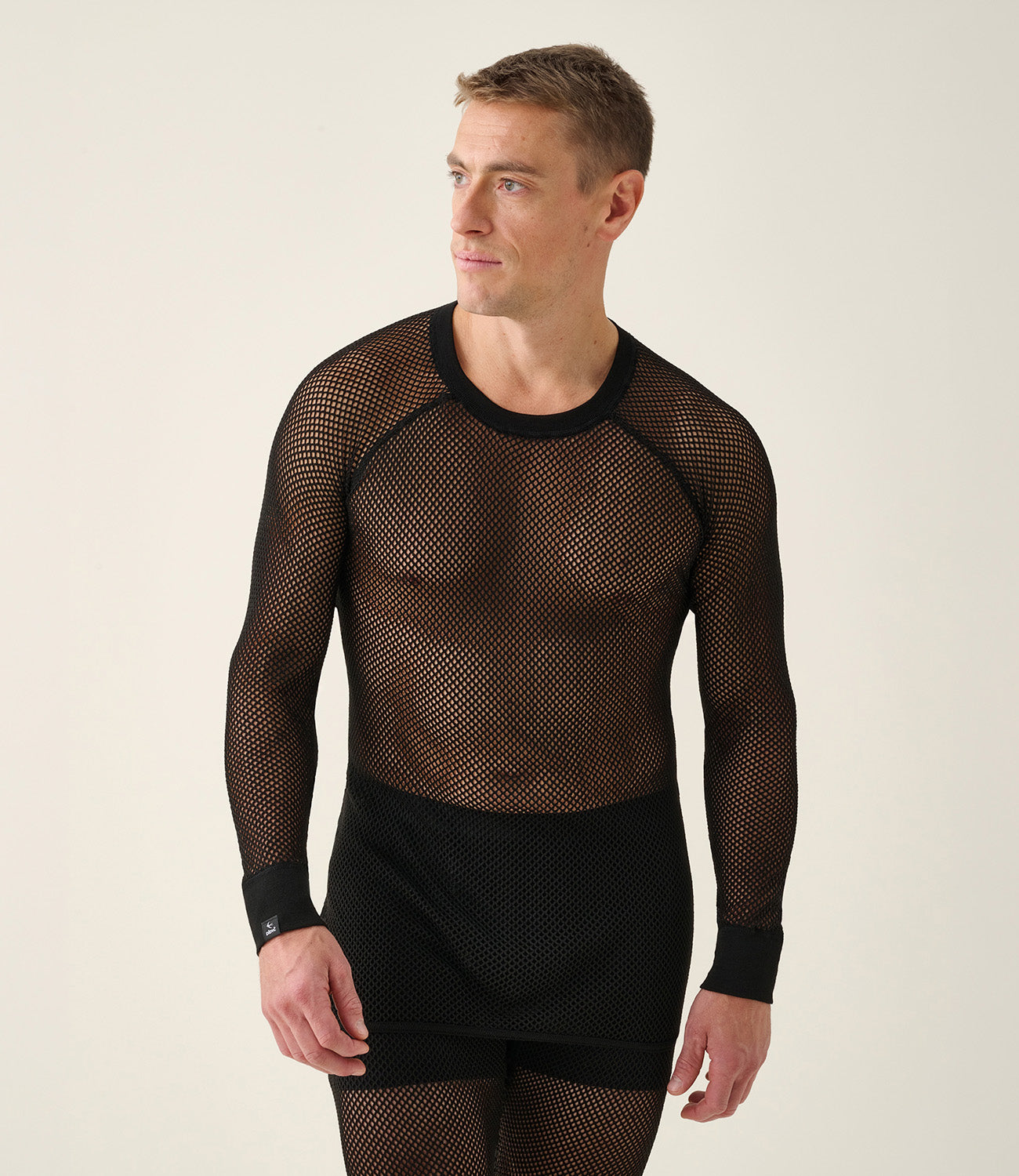
When you go back to the cockpit, a wet undershirt starts to chill you. That is why you wear an Airbase mesh shirt and mesh bottoms next to your skin. Airbase is 100% polypropylene, which does not absorb moisture but moves it from your skin to the next layer. Your skin stays dry even when you sit still in the wind for the next few hours.
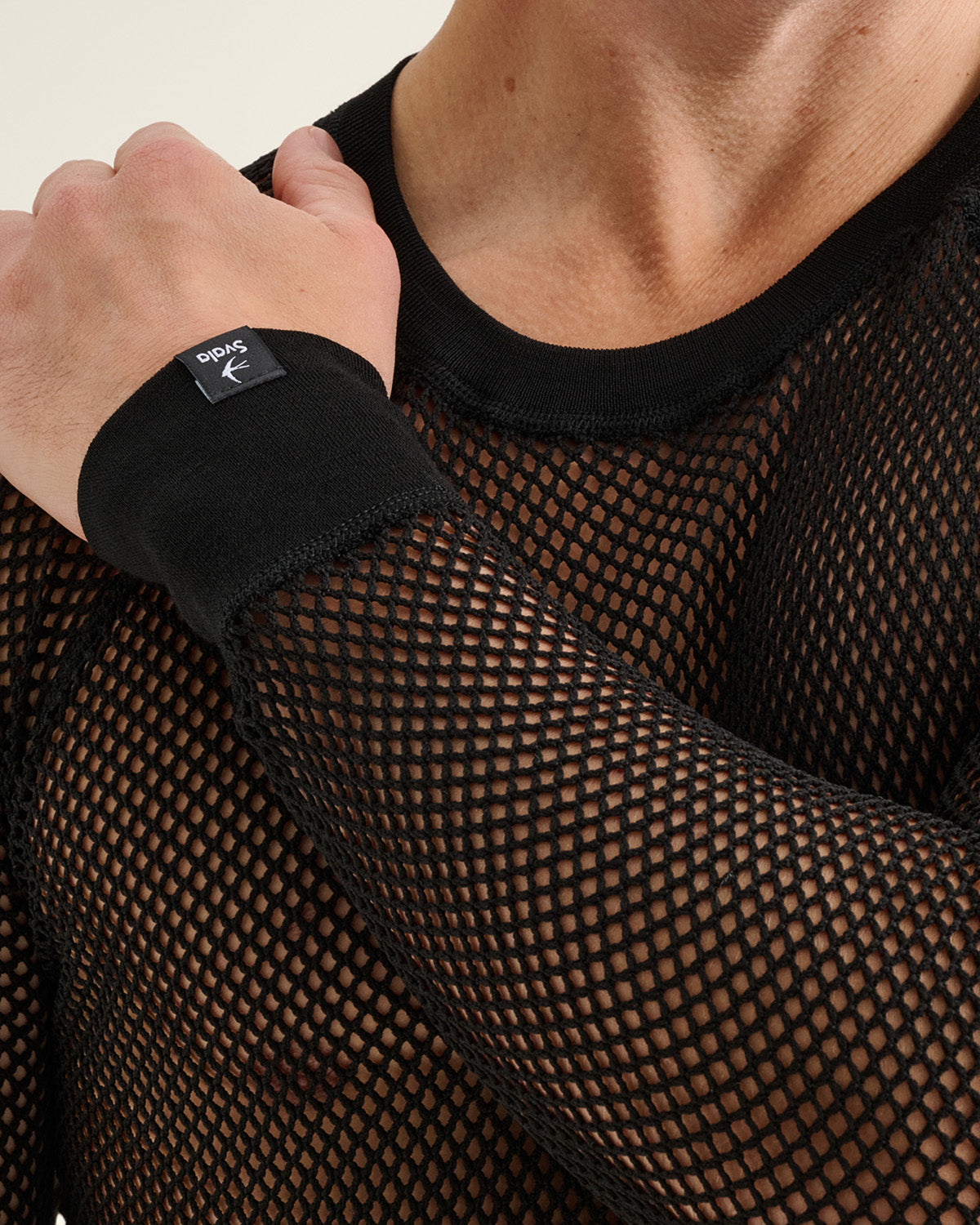
The loops in the 120 g/m² 3D mesh knit trap air in a thin layer against your skin. The silver-ion treatment in the core of the fibre keeps the garment fresh, so for a week's sailing you can pack one shirt instead of five. In the evening you hang it on the guardrail to air, and in the morning it is ready for the next leg. On a hot July day, the mesh T-shirt can easily be your only layer.

Men's Original Airbase 120 mesh set

Women's Original Airbase 120 mesh set
“Airbase is a brilliant next-to-skin layer for sailing. In cold weather it keeps you warm, and during the day it breathes. I have never come across anything like it. I warmly recommend it to all sailors, whatever the weather.”


Base Layer – Temperature regulation
When you settle at the helm or by the sheet for a long leg, your body's own heat production drops quickly. Out in open water the wind blows unhindered and the cold sea cools the air: in early summer the water is still cold, and a summer evening at sea is often crisper than on shore. On a night sail a helm watch can stretch to hours, and you do not leave the cockpit to warm up halfway through.
Over Airbase you wear a Merino Extreme base layer top and bottoms. In the double-layer construction, polypropylene on the inside moves moisture onwards and merino wool on the outside insulates. Merino wool absorbs moisture into the fibre and releases it gradually, so it does not feel wet even if damp sea air and spray get in at the collar. When you sweat heavily, merino gets damp too, and that is exactly why Airbase belongs underneath.
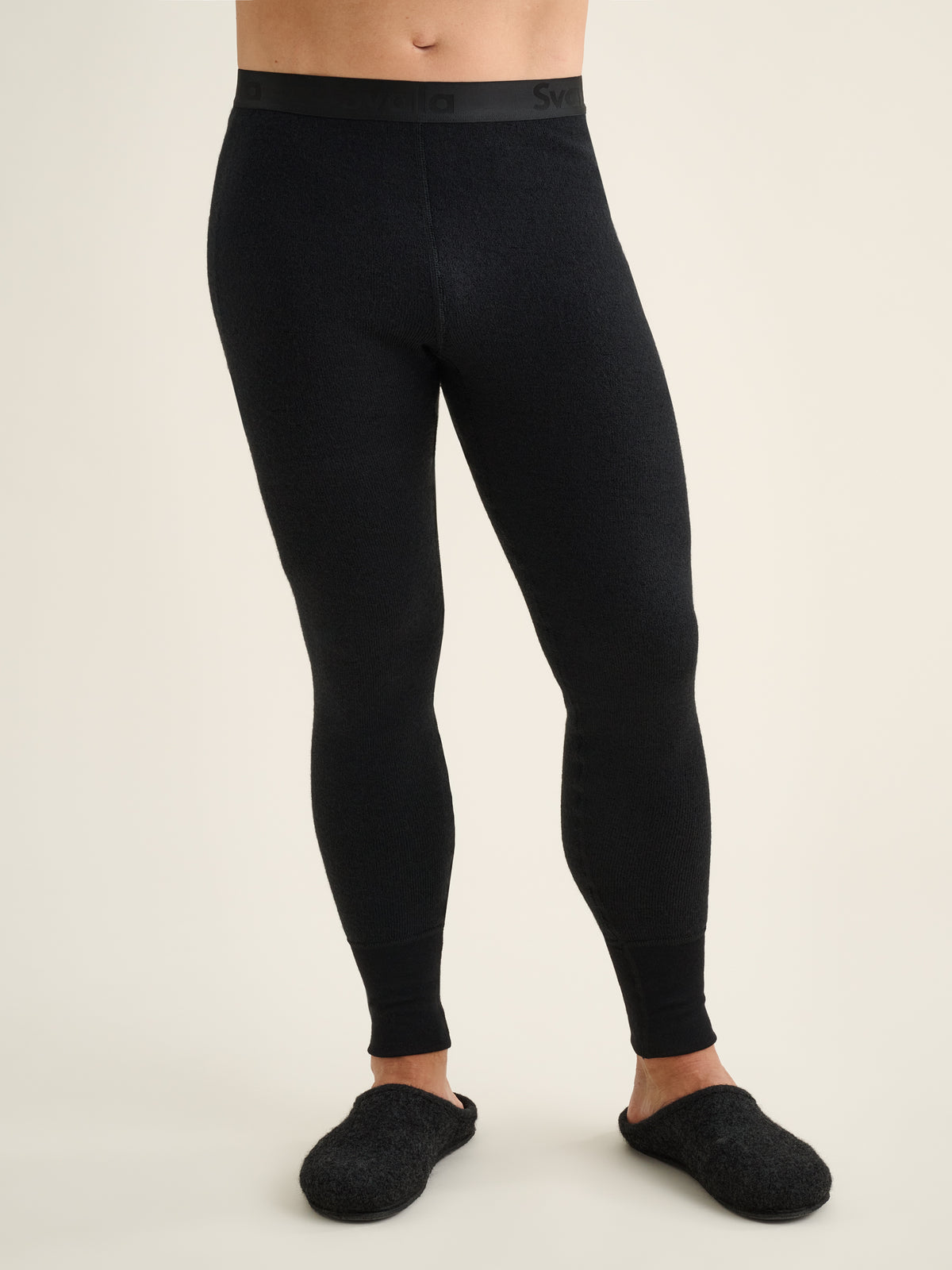
The cockpit bench is often wet, and when the boat heels you sit or lean against the side for hours. That is why base layer bottoms matter as much as the top for sailors. Under your sailing trousers, wear both Airbase and Merino Extreme bottoms. Merino wool is naturally odour-resistant, so the same set lasts your whole sailing holiday and freshens up by airing.

Men's Merino Extreme 200 base layer set

Women's Merino Extreme 200 base layer set

Mid Layer – Thermal insulation
When the wind freshens or the sun goes down, a layer that balances warmth is no longer enough on its own, and sitting still in the cockpit soon makes itself felt. When you are busy casting off or coming into harbour, though, a thicker layer is often too warm.
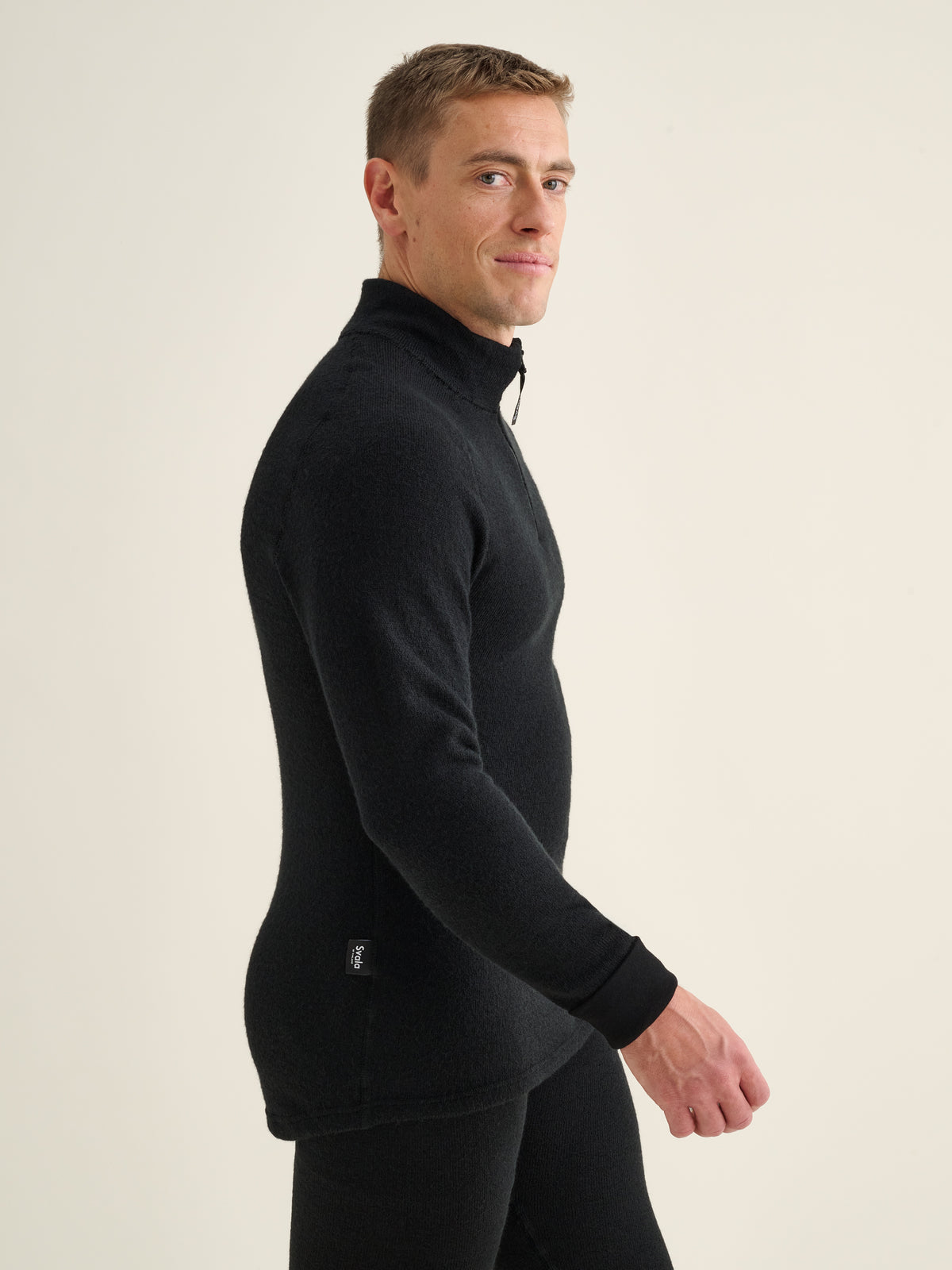
That is why the mid-layer waits in the cabin and goes on once the sails are up and the leg begins. This is what the Nordic Terry Wool mid-layer set is made for. Nordic Terry Wool fabric has a smooth outer face and yarn loops on the inside. The loops trap air and move moisture away from your skin, so the layer insulates while you sit still but does not turn clammy. In harbour, when you take off your sailing gear, the same wool layer works just as it is for the path to the sauna or a barbecue on the rocks.

Men's Nordic Terry Wool 400 zip-neck mid-layer set

Women's Nordic Terry Wool 400 mid-layer jacket

Shell Layer – Weather protection
On the water, your outermost layer is your sailing gear or a good shell jacket and trousers. Spray flies when you are beating upwind, a sudden shower can sweep across the open water, and in a fresh breeze you may sit on the windward side for hours. Your gear has to cut the wind and keep water out, but it also has to breathe, so that the moisture moved out by the lower layers can escape.
Sailors have many views on sailing gear: some swear by heavier offshore gear, others by lighter coastal gear or just a sailing jacket, and salopettes have their own fans. Svala layers go under any gear. In roomy gear the layers fit on top of each other with insulating air between them, and nothing pulls tight when you winch or reach out on the foredeck.
Svala's own Shell Layer, the Ventile 200, is a membrane-free jacket made from very tightly woven long-staple cotton. When it gets wet, the fibres swell and the weave tightens, so the fabric keeps out light rain and showers and breathes without a membrane. Sailors take it along in harbour and ashore: on the jetty on a windy evening, on a trip to the shop or on an island path. On a calm, dry day it can be enough on deck too, but in constant rain and spray your sailing gear is more practical.

Men's Ventile 200 jacket

Women's Ventile 200 jacket

You do not need everything at once – start here
The system works best when you adjust your layers to the rhythm of the sailing day: fewer when casting off and coming into harbour, more on a long leg and on helm watch. You do not need to buy everything at once or replace your sailing gear. If you are starting from scratch, your first purchase should be the layers next to your skin, as they decide whether you sit dry in the cockpit. Airbase next to your skin with Merino Extreme over it is a pairing that will take you through most of the sailing season.
If you already have one of the layers sorted, just get what is missing:
- Do you already have a merino wool base layer? Airbase completes it. Wear the mesh layer next to your skin under the merino, so that sweat does not stay on your skin when you hoist the sails and the merino insulates better on a long leg.
- Are your next-to-skin and warming layers sorted? For evenings, nights and sailing at the start and end of the season, add Nordic Terry Wool, which works under your sailing gear and on its own in harbour.
- Do you already have sailing gear? There is no need to replace it, as long as Airbase, Merino Extreme and the wool layer fit underneath without squeezing. The air between the layers is part of the warmth.
This way you can build a working system at your own pace. Although we put these layers together for sailing, they will not sit in the wardrobe: the same garments also work for other time on the water and outdoors, and change seasons with you.

Four layers, one effective system
Layer: Zero Layer - next-to-skin performance