



Reliable clothing for climbers, for every layer
At the foot of the crag, it is what you wear under your harness that counts
The outdoor climbing season starts on the first dry rock of spring and runs into the crisp friction days of autumn, and in winter some climbers move on to frozen waterfalls. The styles vary, but the rhythm is often the same: sometimes you move and warm up, sometimes you stand still for a long time. You usually walk in to the crag with a rope and gear or a bouldering pad on your back, and to the ice you might trudge through deep snow or ski. In a roped pair, climbing and belaying alternate all day; on a boulder, an attempt lasts seconds and the rest minutes. When you belay or take a break, your body's own heat production drops quickly, and then what you are wearing decides how long you stay warm at the foot of the crag.
On this page, we have chosen one trusted climbing garment for each layer and explain which moment of the climbing day each one handles best.
One trusted garment for each layer
The Zero Layer keeps your skin dry on the approach and on the route, the Base Layer evens out warmth and moisture when you take the rope or sit down on the pad, the Mid Layer insulates during a long belay and on breaks and the Shell Layer protects you from wind, rain and dripping water.

Four layers, one set that works
A climbing day alternates between hard moves and standing still, and your layers are built around that. You will not need all four on a warm summer evening at the crag, but on a crisp autumn friction day and on the ice, every one of them does its job. Together they form the Svala AIR System™ layering system, in which every garment has its own place.

Zero Layer – Next-to-skin performance
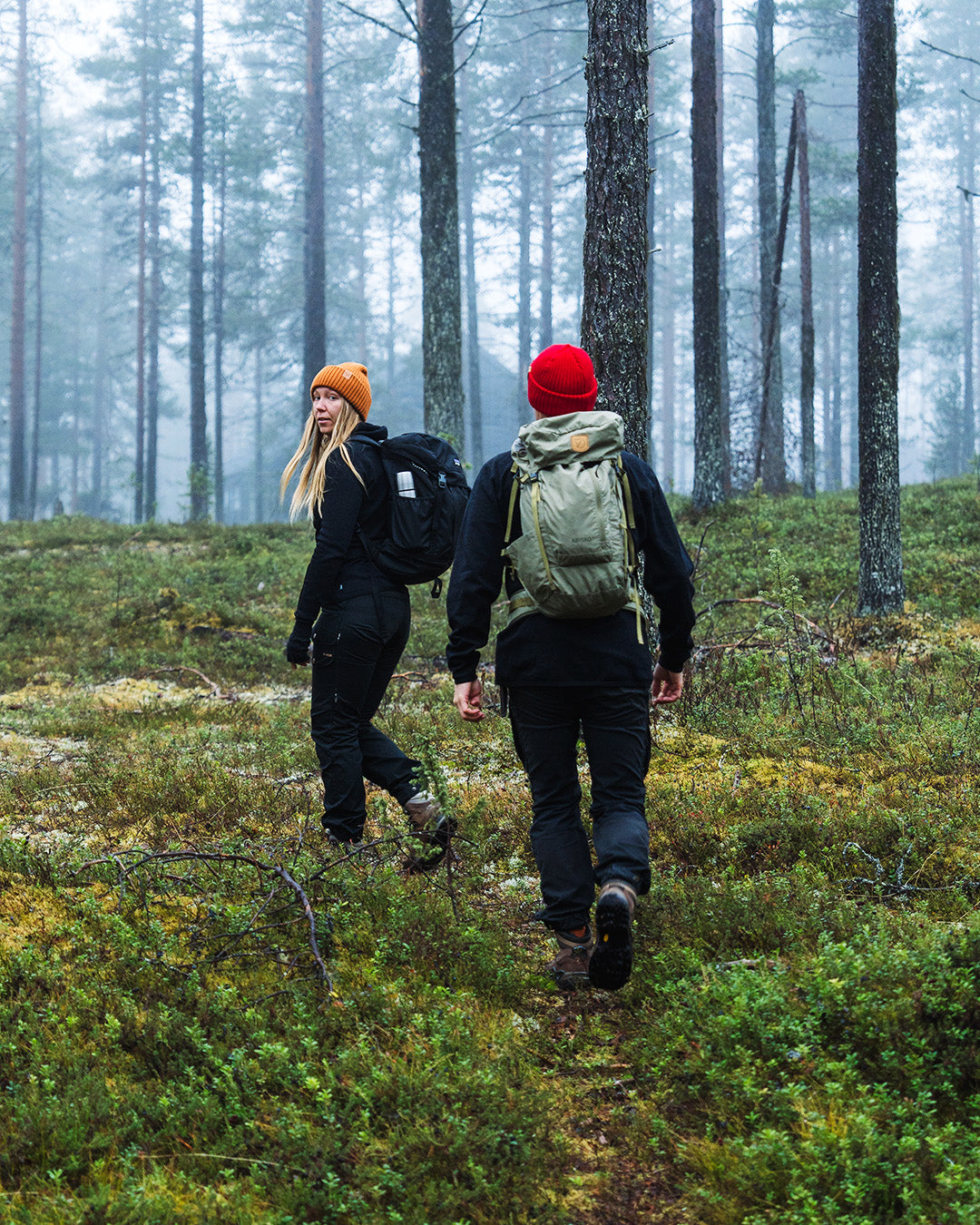
You often walk in to the crag with a rope and a gear bag or a pad on your back, and a frozen waterfall can mean kilometres of deep snow first. Many people do the approach in just a thin top and still start sweating before they have climbed a single metre. When you arrive, you stop to unpack your gear and put on your harness, and on the route your hands are above your head again.
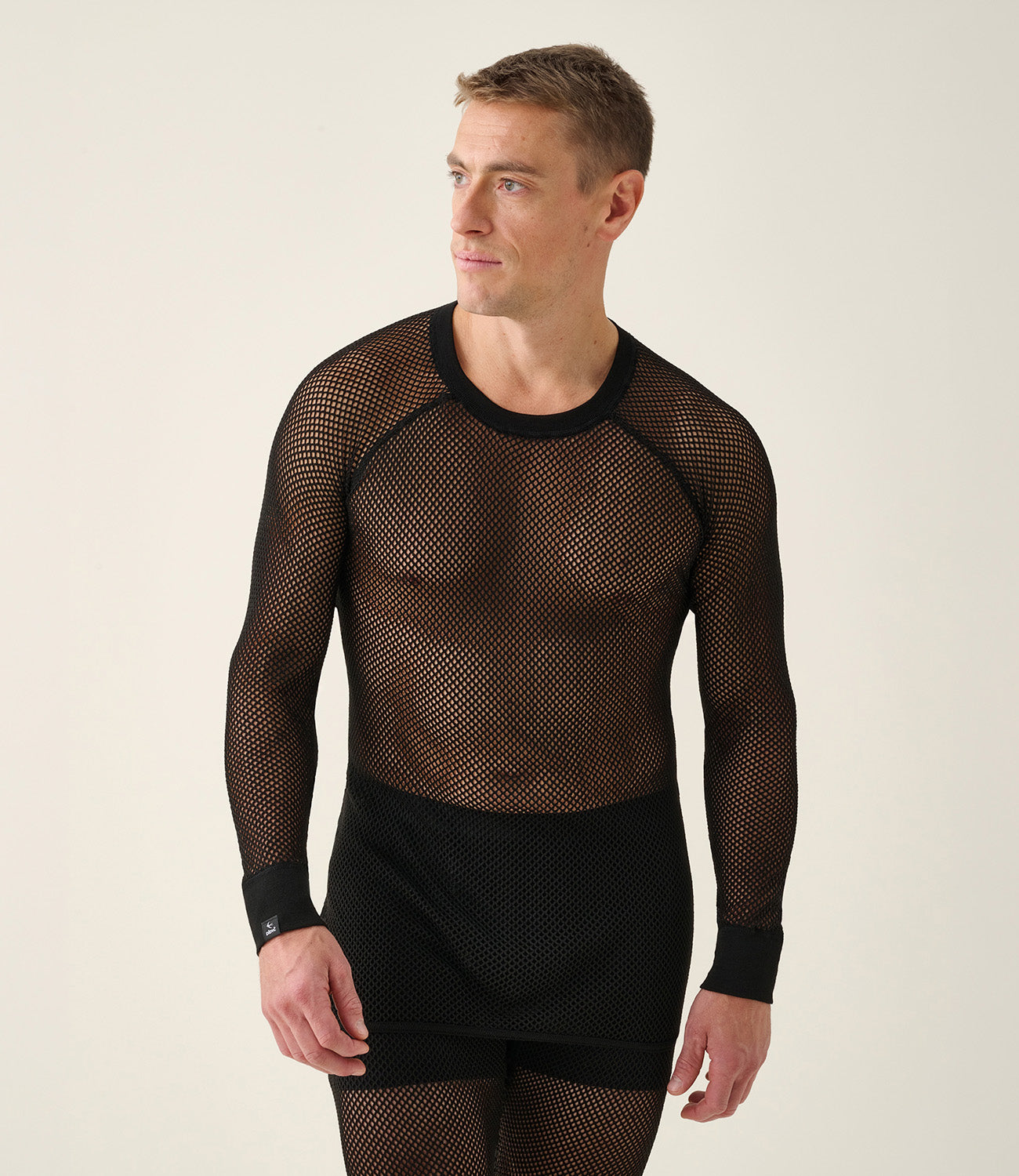
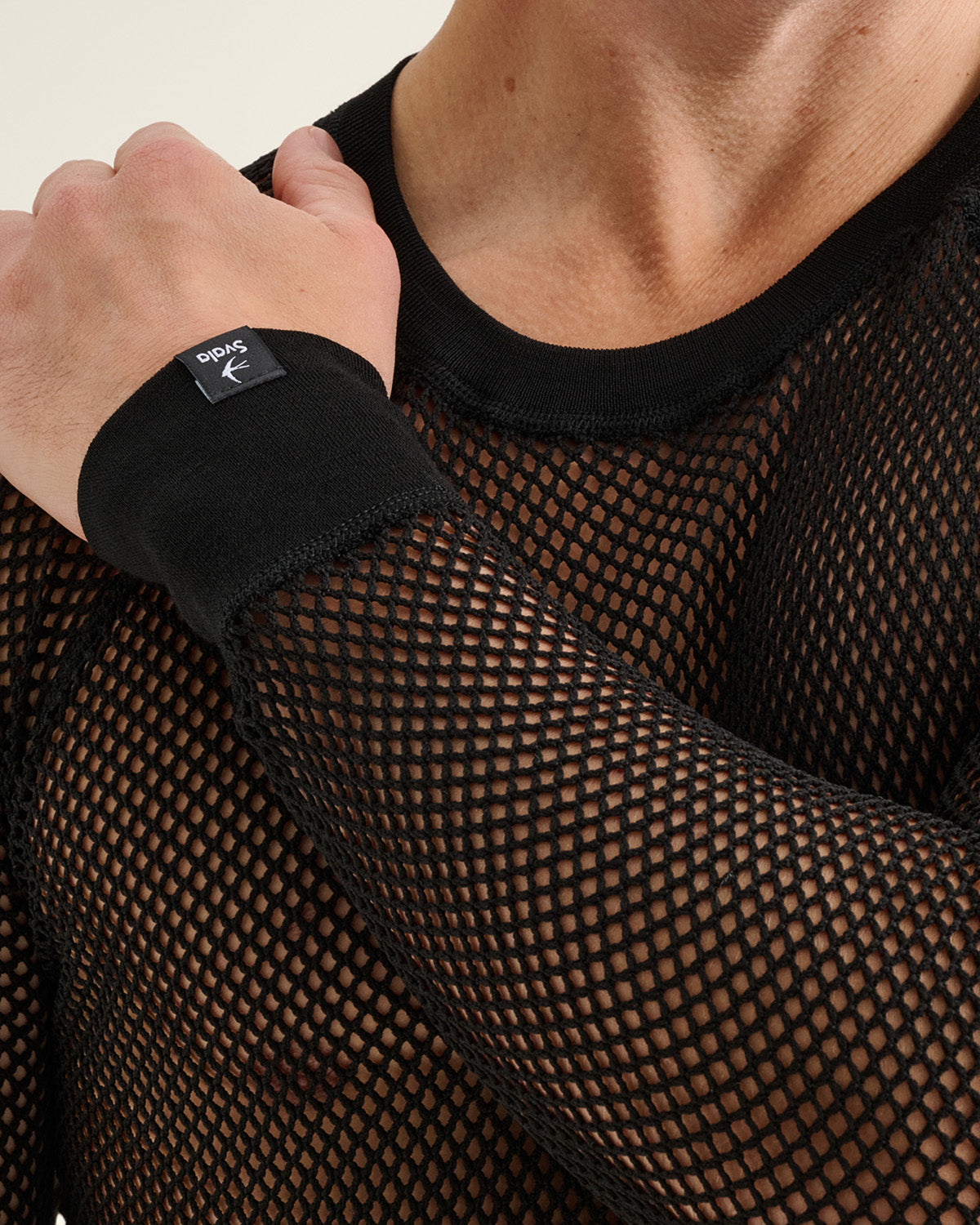
A wet top next to your skin chills you quickly when you lower off the route and take the rope. That is why you wear the Airbase mesh shirt and mesh bottoms next to your skin. Airbase is 100% polypropylene, which does not absorb moisture but moves it from your skin to the next layer. So you start your belay dry, and a damp shirt does not drain your warmth just when you are standing still. The shirt stretches when you reach, and the longer back hem stays under your harness even when you raise your arms high.
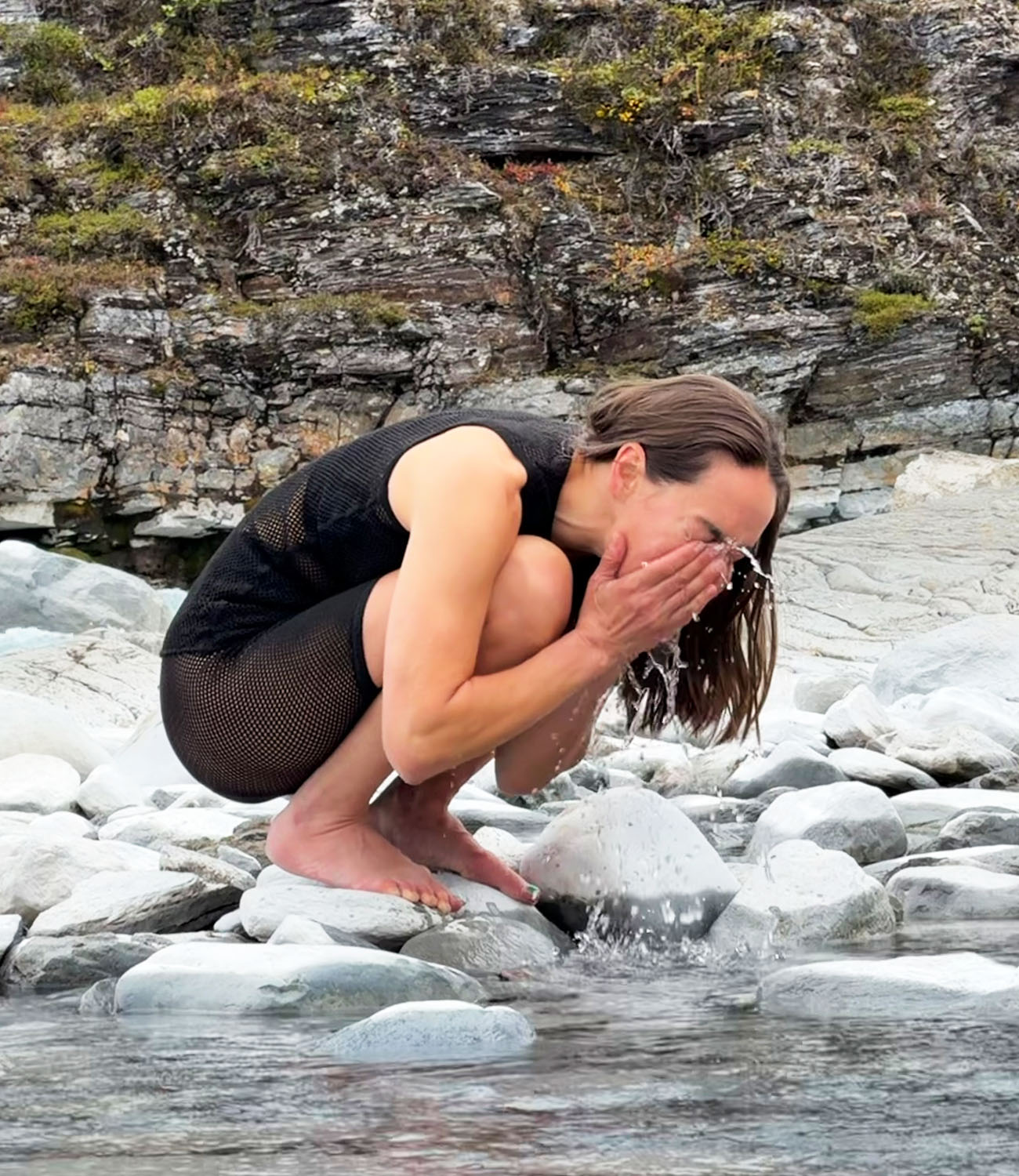
The loops of the 120 g/m² 3D mesh knit trap a thin layer of air against your skin: on the route it cools you, and when you belay, the layer of air insulates and keeps you warm. The silver-ion treatment in the core of the fibre keeps the garments fresh, so one Airbase is enough for a climbing weekend if you air it overnight. On a warm summer evening at the crag, the mesh T-shirt may well be your only layer.

Men's Original Airbase 120 mesh set

Women's Original Airbase 120 mesh set
“In the mountains, conditions can change in an instant. That is why layering, breathability and warmth matter so much in what you wear. Your gear has to work on demanding ascents as well as on cold rest breaks.”


Base Layer – Temperature regulation
A belay can last anything from a few minutes to half an hour, and all that time you stand still, looking up with your hands on the rope. In spring and autumn, when the friction is at its best, it is often only a few degrees above zero at the foot of a shaded crag, and the wind easily gets through your clothes. Bouldering brings the same cold with every rest, when you sit on the pad with a flask in your hand waiting for the next attempt.
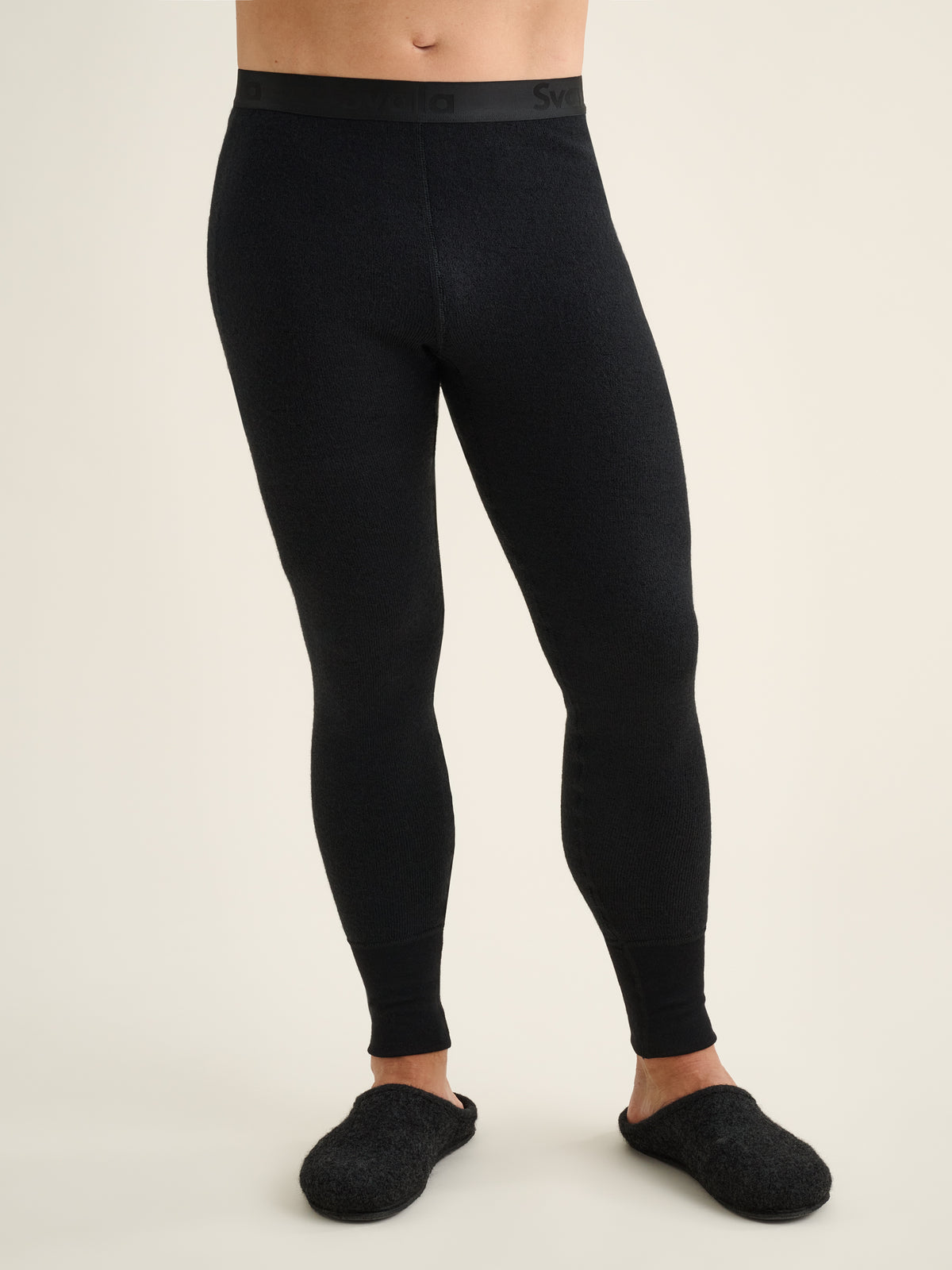
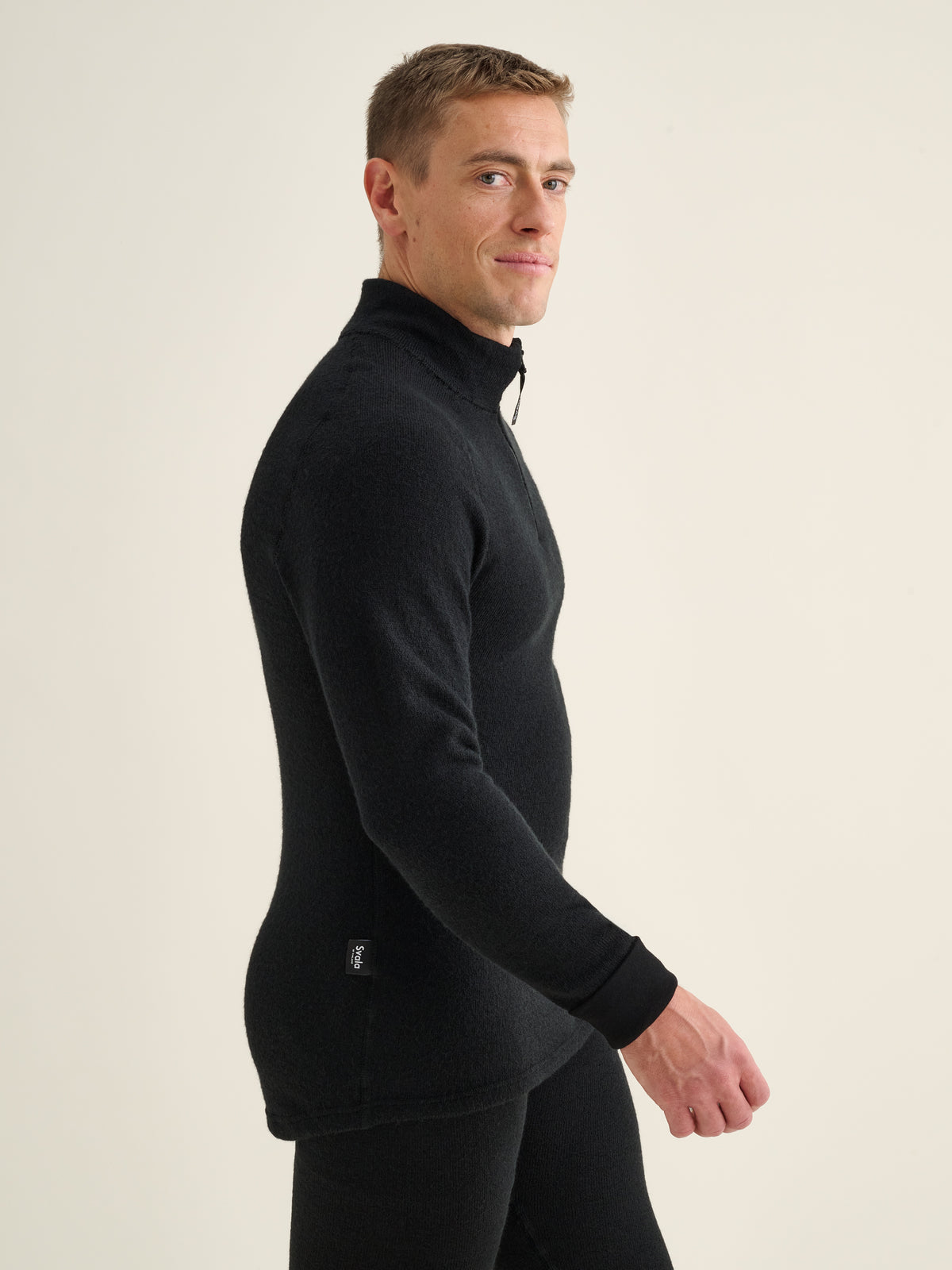
Over Airbase, you wear the Merino Extreme base layer top and bottoms. In the double-layer construction, the polypropylene on the inside moves moisture onwards and the merino wool on the outside insulates and keeps you warm. Merino wool absorbs moisture into the fibre and releases it gradually, so it evens out moisture and temperature close to your skin and does not feel wet the moment you come down from the route. If you sweat heavily, merino can get damp too, which is why you wear Airbase underneath.
Base layer bottoms are easy to forget, even though your legs get cold as quickly as your upper body when you belay or sit on the pad. Merino Extreme moves with you: set-in sleeves and a shoulder seam moved off the top of the shoulder let your arms reach freely for the next hold. The set is made for temperatures from −30 to +15 °C, so the same pair goes with you from spring rock to winter ice.

Men's Merino Extreme 200 base layer set

Women's Merino Extreme 200 base layer set

Mid Layer – Thermal insulation
On a cold friction day and on the ice, two thin layers can feel too little when a belay drags on or one rest follows another. On the route, though, a thick layer is often too much, so you need a mid-layer that gives you both warmth and stretch.
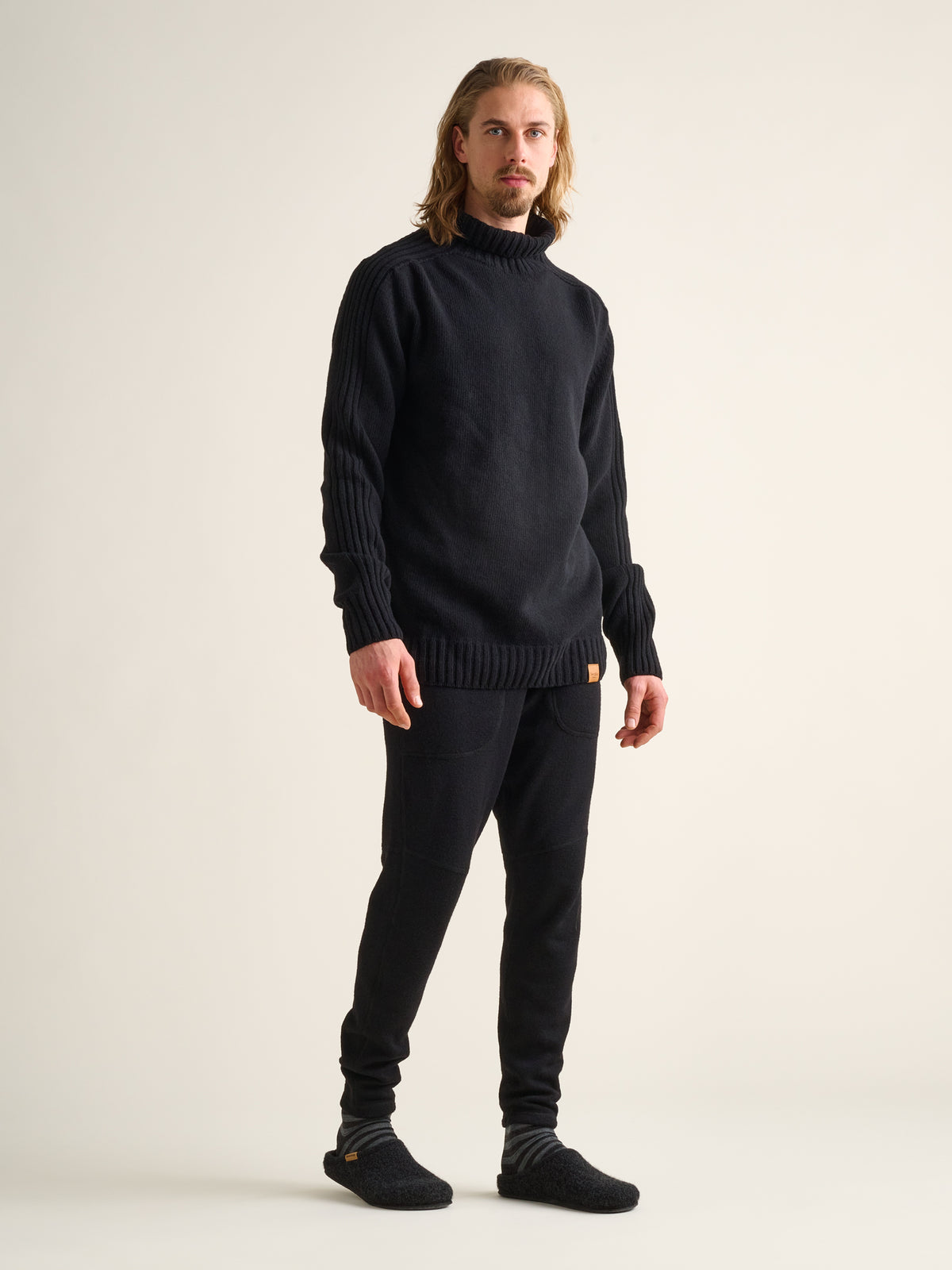
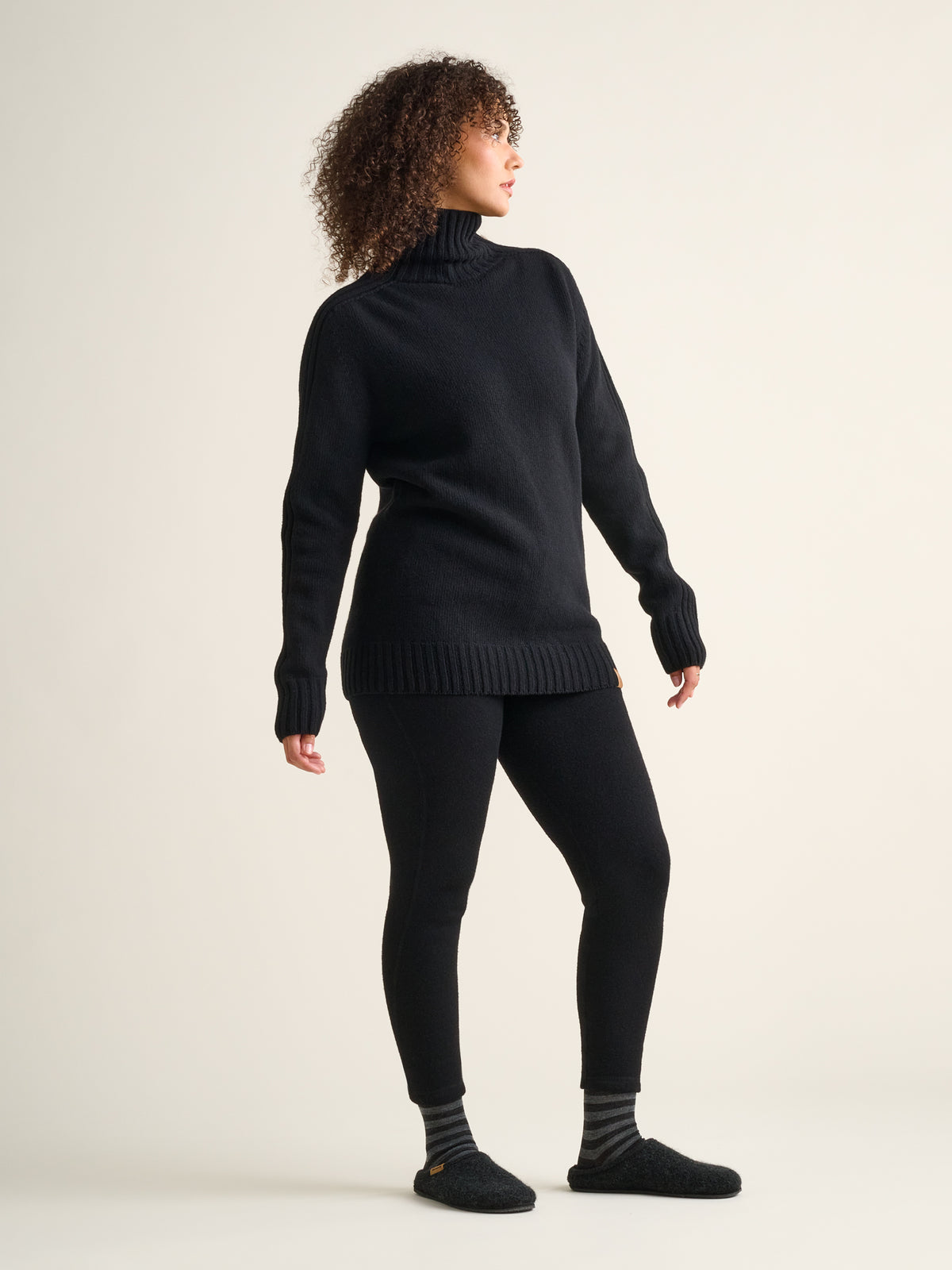
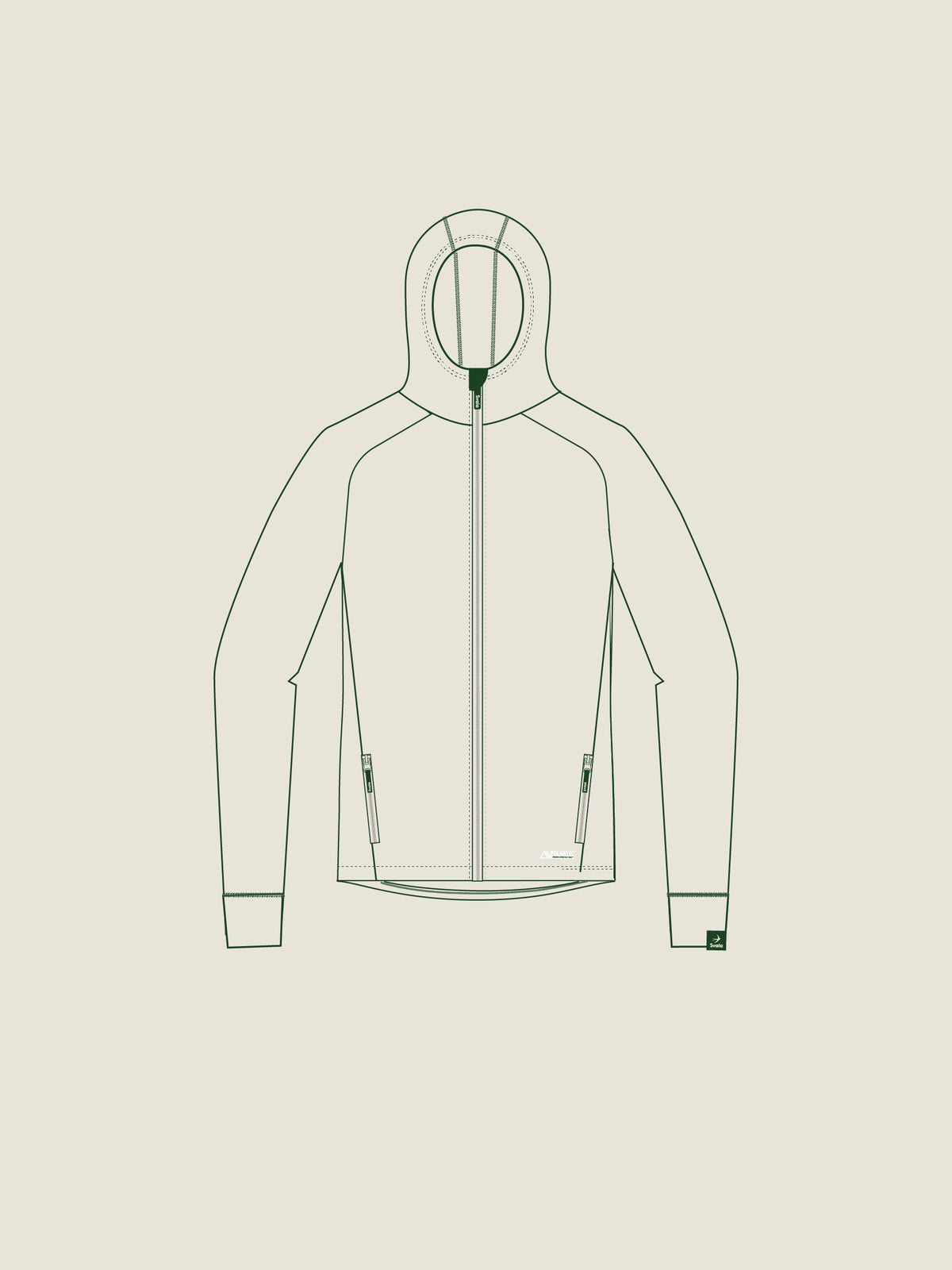
This is where the Polartec Power Stretch Pro mid-layer set is at its best. The stretch knit stretches both lengthways and widthways and recovers its shape, so it moves with you on reaches and high steps. The brushed inner face traps insulating air, and the breathable knit moves moisture outwards. When you belay, the layer insulates, and on a cold day you can keep it on while climbing too.
The dense 250 g/m² knit fits close to the body over Airbase and Merino Extreme. The smooth outer face resists wear, and when the wind picks up or the belay drags on, the next layer slides easily over it.

Men's Polartec Power Stretch Pro hooded top
Women's Polartec Power Stretch Pro hoodie

Shell Layer – Weather protection
At the crag, whether you need a shell depends on the place and the weather. On a calm day in the shelter of the forest, your mid-layer is often enough as the outermost layer, as it breathes better than a shell and stretches on the route. On open shoreline rock and in autumn showers, you need a shell that blocks the wind and keeps the warm air between your layers.
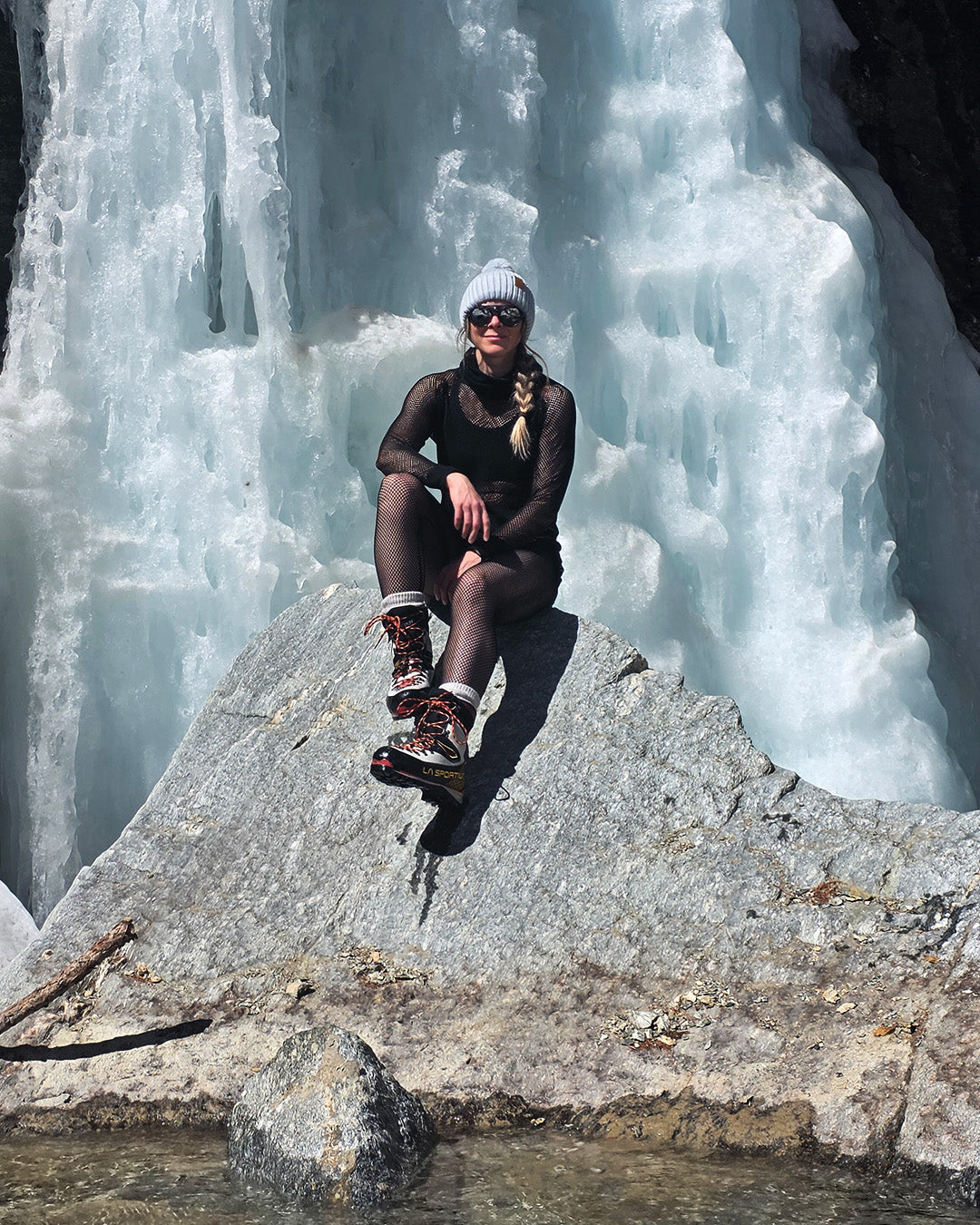
On the ice, a shell almost always comes along. Water and shards of ice can drip from the fall, and melting ice easily soaks your sleeves and shoulders. Ice climbers disagree on the type of shell: in dry frost many prefer a breathable softshell, while in wet conditions and under dripping water they choose a membrane jacket. Size the shell generously so that all your layers fit underneath with insulating air between them.
Svala's own shell layer, the Ventile 200 jacket, is made from very tightly woven long-staple cotton. When the fabric gets wet, the fibres swell and the weave tightens. So the membrane-free jacket repels light rain and showers but still breathes. On autumn rock and on the approach, it also protects you from the wind. Under dripping ice and in steady rain, however, a technical waterproof shell is more practical.

Men's Ventile 200 jacket

Women's Ventile 200 jacket
You do not need everything at once – start here
The system works best when you adjust your layers to the rhythm of the climbing day: fewer on the approach and the route, more while you belay and rest. If you are starting from scratch, your first purchase is the layer next to your skin, because it decides whether you are dry when your belay begins. Airbase next to your skin and Merino Extreme on top are a pair that works from spring to the crisp friction days of autumn.
If you already have a layer that works, just get what is missing:
- Do you already have merino wool base layers? Complement them with Airbase: wear the mesh layer next to your skin under the merino, so you come down from the route drier and the merino insulates better.
- Are your next-to-skin and warming layers sorted? For cold friction days and the ice, add the Polartec Power Stretch Pro mid-layer set, which stretches on the route and insulates while you belay.
- Do you already have a shell jacket? There is no need to replace it, as long as your other layers fit loosely underneath. The air space between the layers is part of the warmth.
This way, you can build a system that works at your own pace. Although we put these layers together for climbing, they will not sit in the wardrobe out of season: the same layers work for hiking and other outdoor activities.

Four layers, one effective system
Layer: Zero Layer – next-to-skin performance