



A hunter's trusted garments for every layer
On a hunt before the snow, it is what you put on in the morning that counts
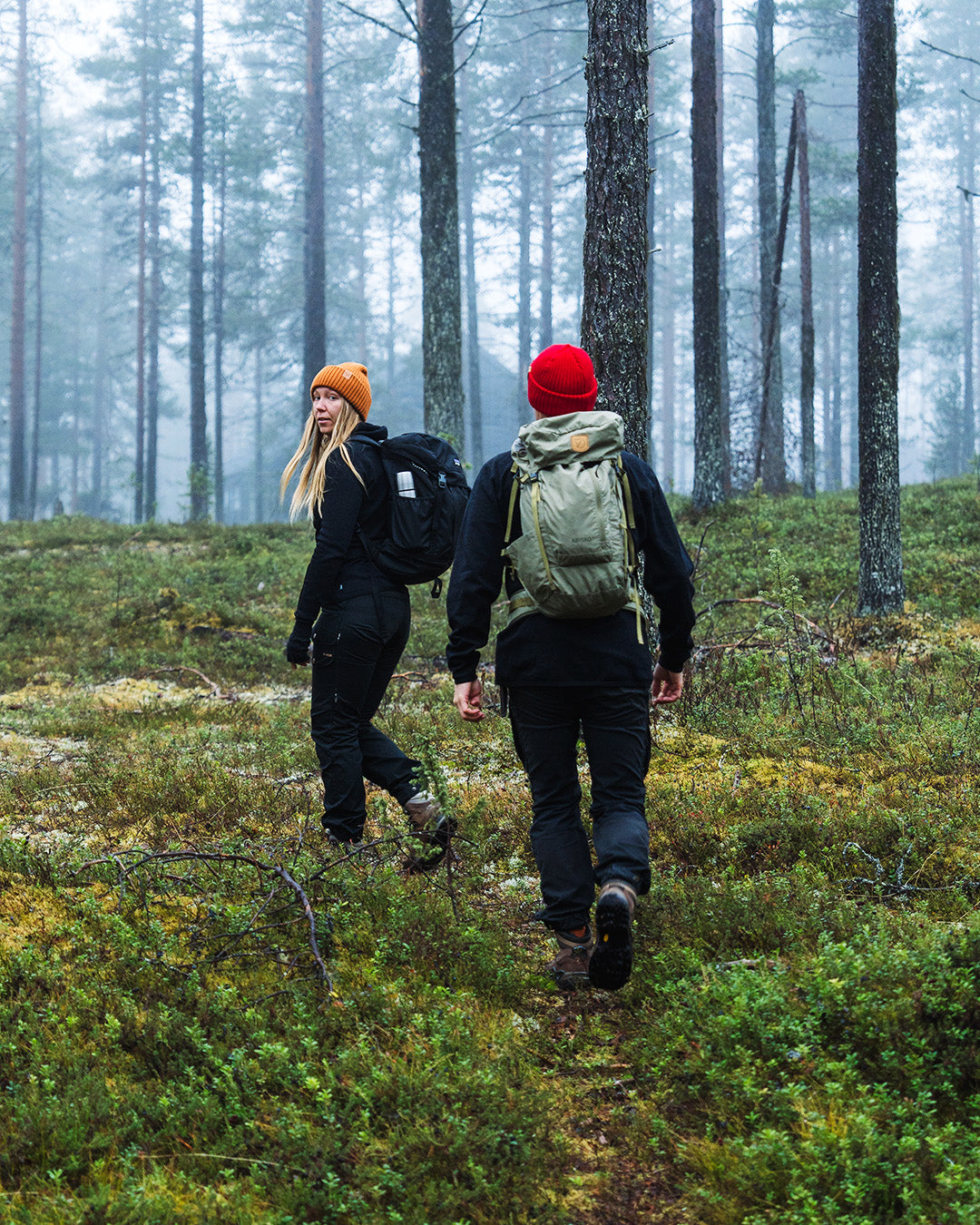
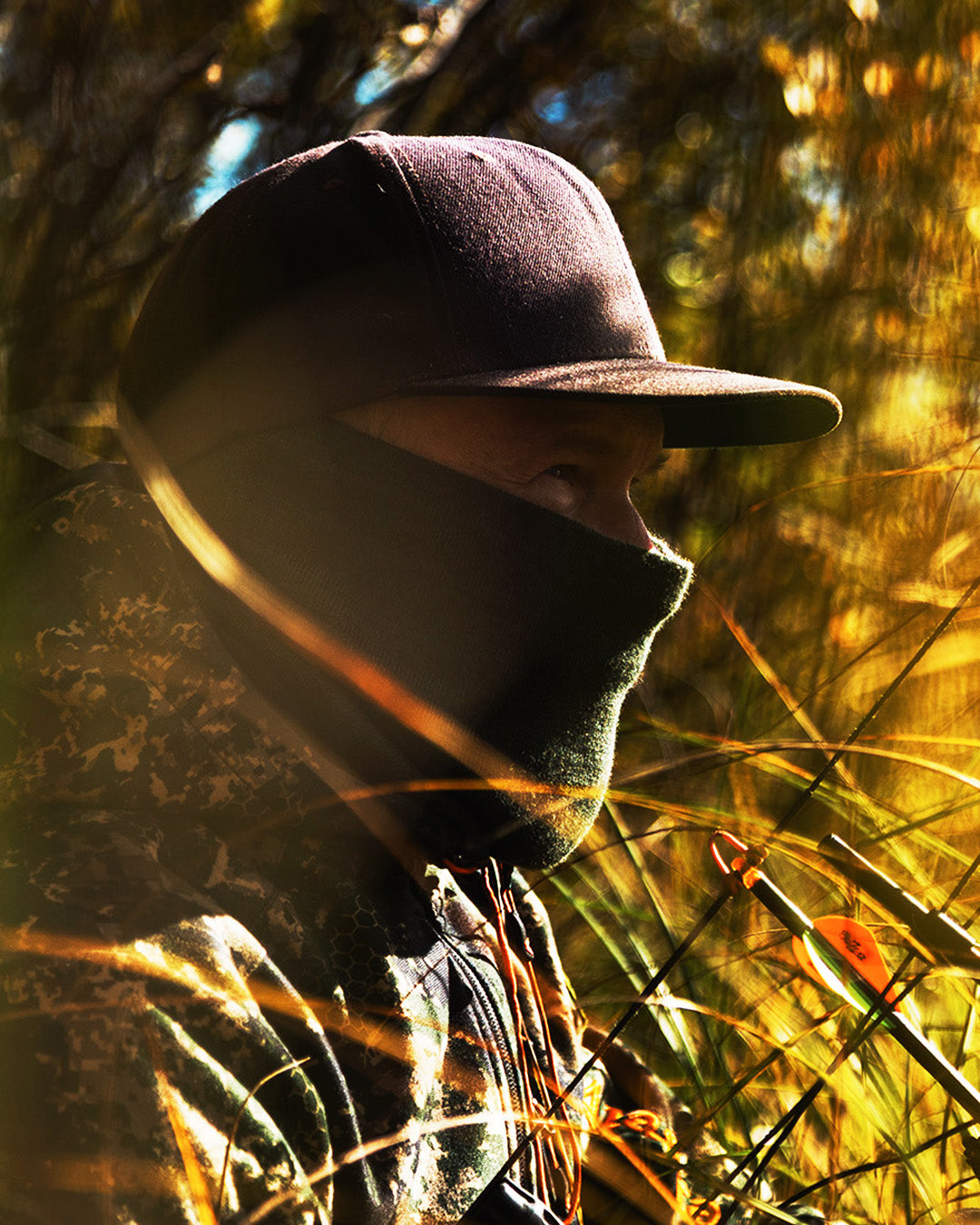
The hunting season before the snow starts with duck mornings in August and runs to moose stands in October. The quarry varies, but the rhythm is the same: usually you move first and then stay quiet and still. A grouse hunter walks kilometres through the dewy forest behind a Finnish Spitz, while a moose hunter may come to the stand straight from a warm car, or after trudging across a bog with a wet back. On a stand, you can easily sit for hours in drizzle and wind. A duck hunter waits for the morning flight in wet reeds, where nothing dries. When you are still, your body produces no extra heat, so what you are wearing decides how long you stay warm on the stand.
On this page, we have chosen one trusted hunting garment for each layer and explain which moment of the hunting day each one handles best. If you also hunt in winter, frost and long hours on the stand ask more of your clothing, so we have put together a separate set for the winter hunt: trusted garments for winter hunters.
One trusted garment for each layer
The Zero Layer keeps your skin dry while you walk and move, the Base Layer evens out warmth and moisture when you settle on the stand or by the fire, the Mid Layer insulates against the cold during a long wait and the Shell Layer protects you from rain and wind. On the move you need fewer clothes, and you can carry the warm extra layer in your rucksack. When you settle on the stand, put it on before you start to feel cold.

Four layers, one set that works
A hunting day often alternates between moving and waiting quietly, so your clothing is built from layers that you add and take off as needed. You will not need all four on a warm August evening, but in October sleet every one of them does its job. Together they form the Svala AIR System™ layering system, in which every layer has its own place and the air between the layers keeps you comfortable.

Zero Layer – Next-to-skin performance
Getting to a moose stand often means walking kilometres over clear-cuts, ditches and brush. Hunting grouse with a dog, you can easily cover more than ten kilometres a day. Trudging across a bog, you will sweat for sure, even when the weather is cool.
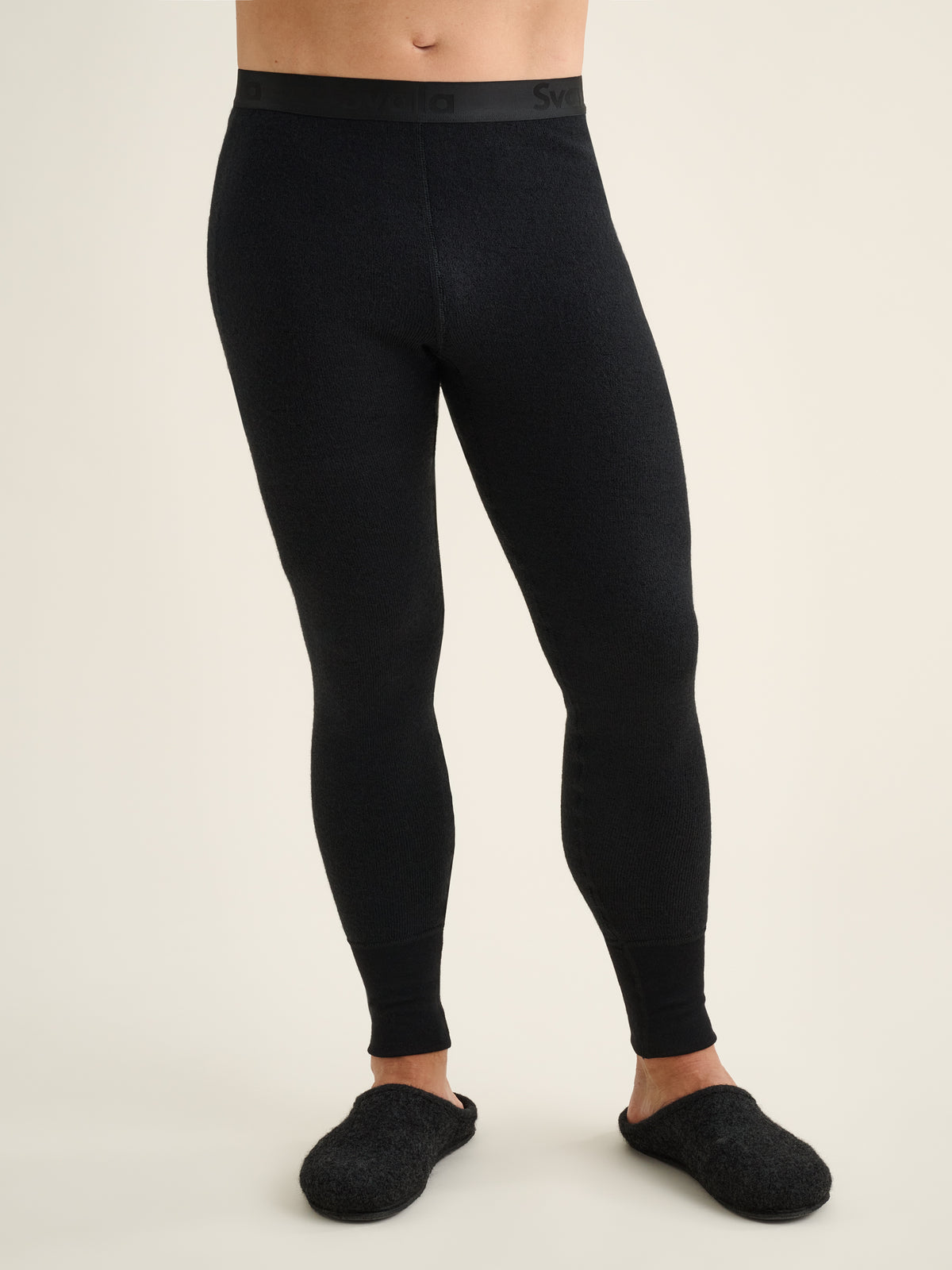
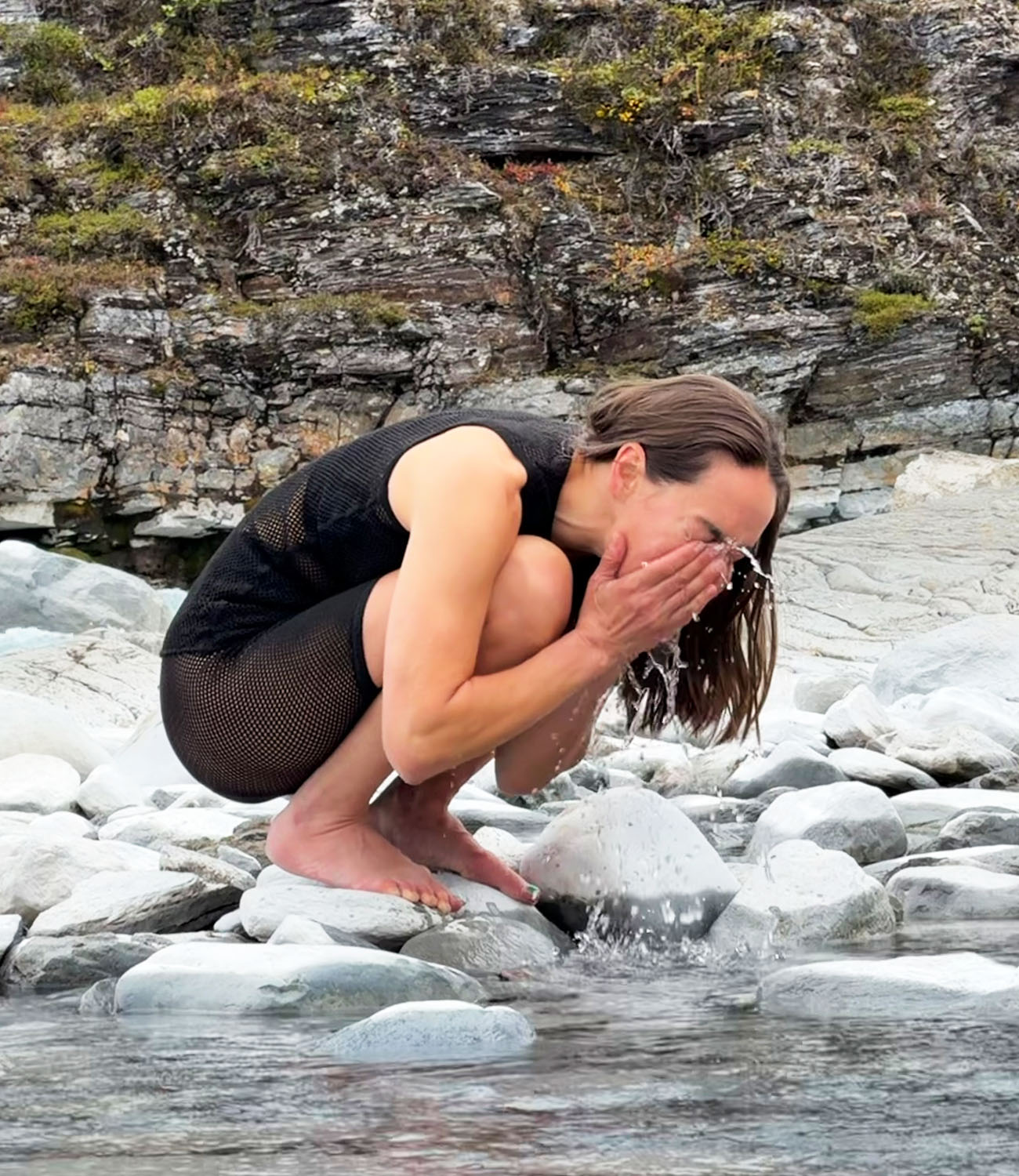
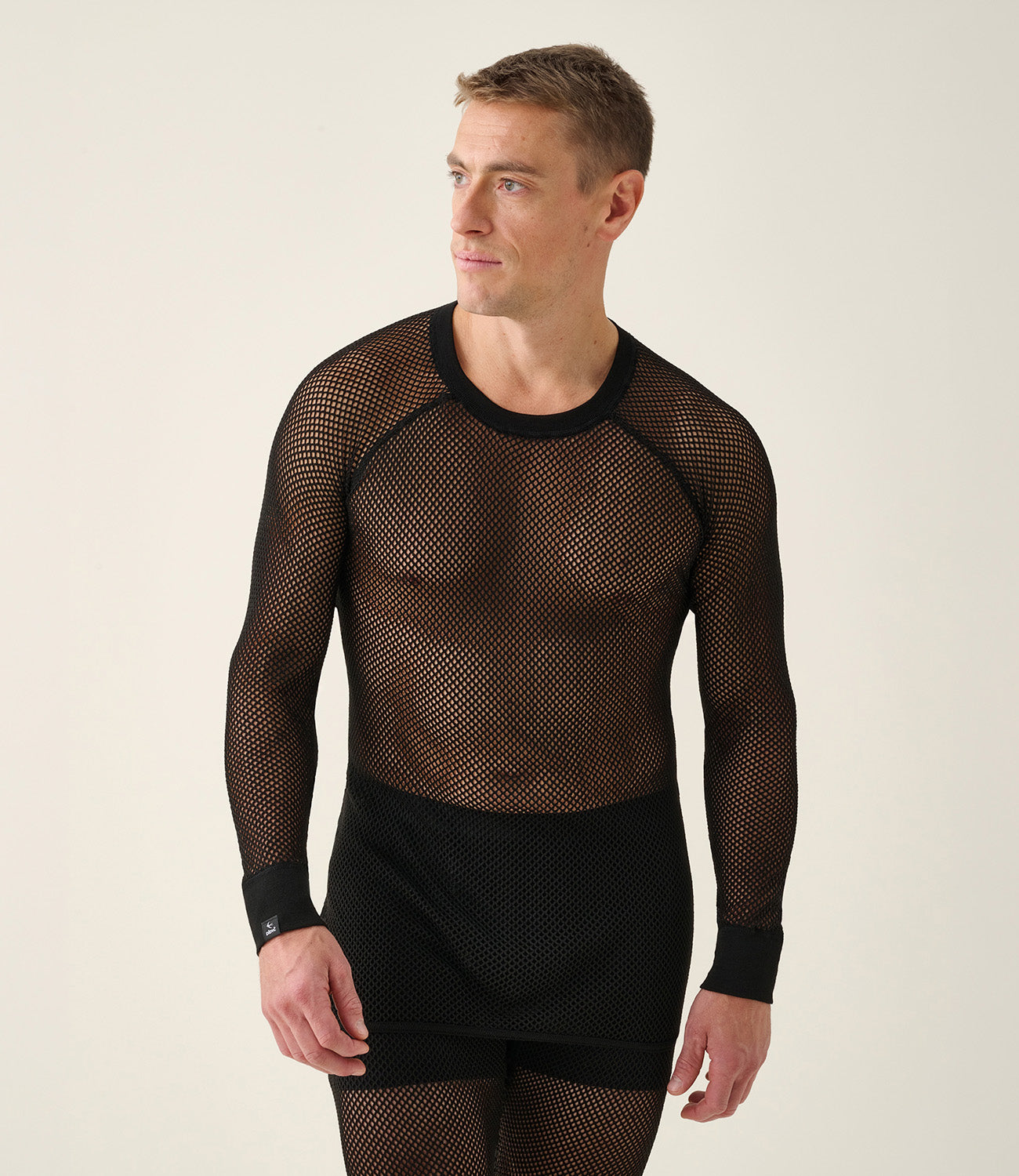
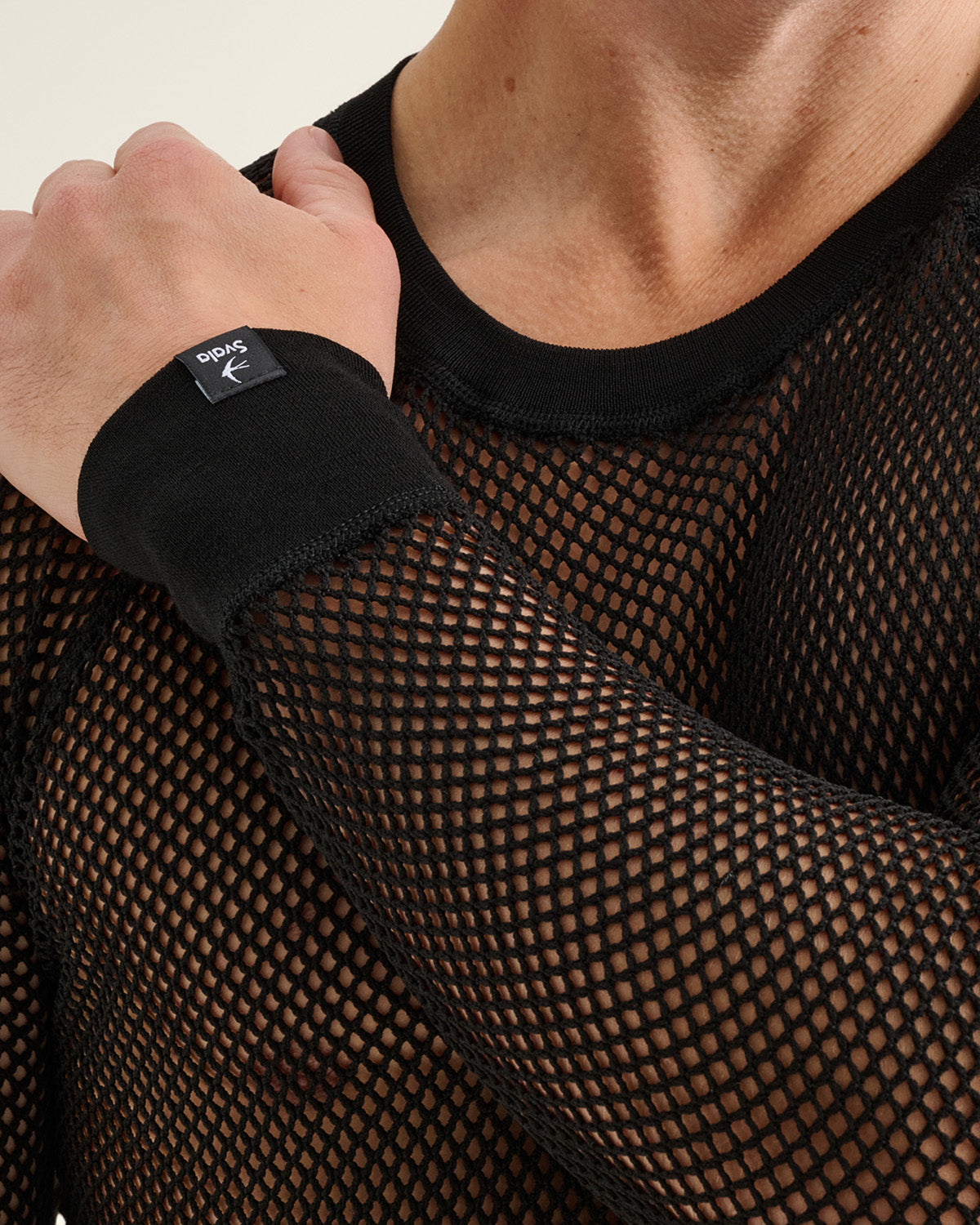
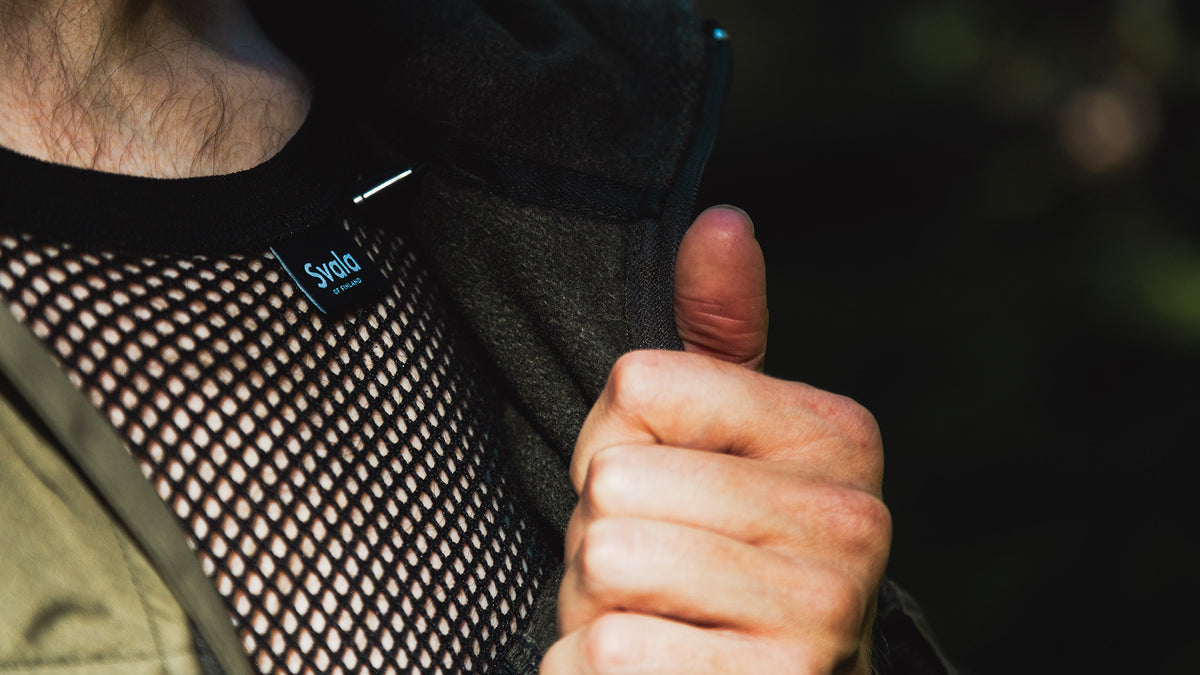
A wet layer next to your skin chills you from head to toe as soon as you stop for a break. That is why you wear the Airbase mesh shirt and mesh bottoms next to your skin. Airbase is 100% polypropylene, which absorbs no moisture at all but moves it from your skin to the next layer. When you settle on the stand, your skin is dry, and a damp shirt does not chill you when you stop moving and your body no longer produces enough heat on its own.
The loops of the 120 g/m² 3D mesh knit trap a thin layer of air against your skin: when you walk it cools you, and when you are still it holds in warmth. The silver-ion treatment in the core of the fibre keeps the garments fresh, so one Airbase is enough for a hunting weekend instead of several. Still, it is worth leaving a dry change of clothes at the hunting cabin for the evening and airing your Airbase overnight, so it is ready for the next morning. On a warm August evening, the mesh shirt may well be the only layer under your hunting jacket.

Men's Original Airbase 120 mesh set

Women's Original Airbase 120 mesh set
"The same kit can work both when waiting for black grouse at the edge of a bog in the morning and when walking up game birds in the sunshine.”


Base Layer – Temperature regulation
When you settle on the stand or stop for a break, your body's own heat production drops quickly. On an October hunting morning, the temperature is close to zero, the air is damp and it often rains. Moving about on the stand will not help you get your quarry, so the warmth has to stay inside your clothes for hours without you moving.
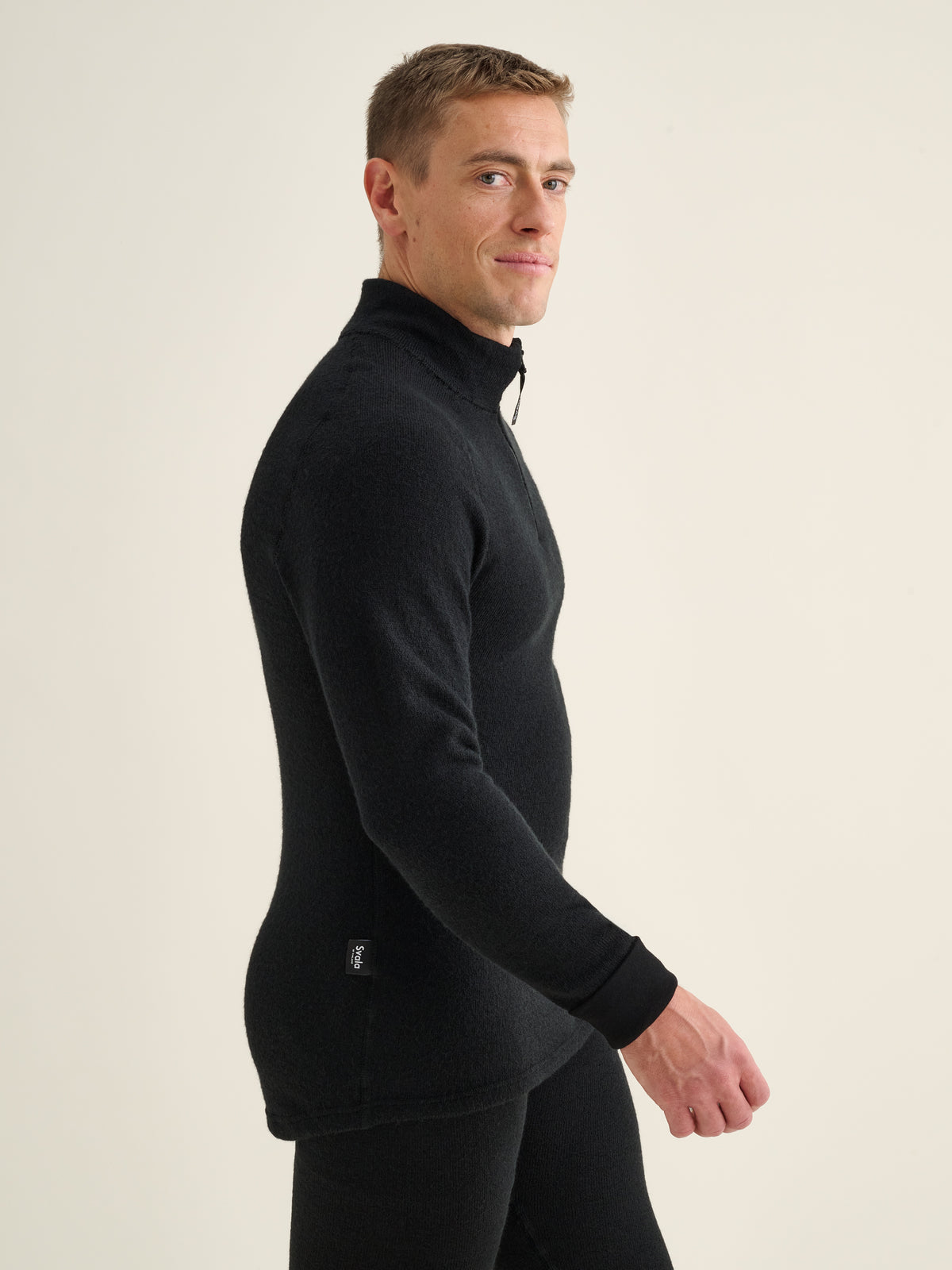
Over Airbase, you wear the Merino Extreme base layer top and bottoms. In the double-layer construction, the polypropylene on the inside moves moisture onwards and the merino wool on the outside insulates and keeps you warm. Merino wool absorbs moisture and releases it gradually into the air, so it evens out moisture without feeling wet. If you sweat heavily, merino can get slightly damp too, which is why you wear Airbase underneath to improve moisture wicking.
Merino Extreme is made for temperatures from −30 to +15 °C, so it goes with you from late September all the way to the winter hunts. Merino wool is naturally odour-resistant, so between hunting days you can freshen the set by airing it instead of washing it.

Men's Merino Extreme 200 base layer set

Women's Merino Extreme 200 base layer set

Mid Layer – Thermal insulation
On a moose stand, an hour is a short time. While the dogs search far away and the hunting party waits, you stand or sit still for a long time, and two thin layers under your hunting suit can feel too little. When you are moving actively or changing position, though, a thicker layer can be too much.
The answer is an insulating layer that you carry in your rucksack and put on as soon as you settle on the stand. Svala's Nordic Terry Wool mid-layers are made for exactly this.
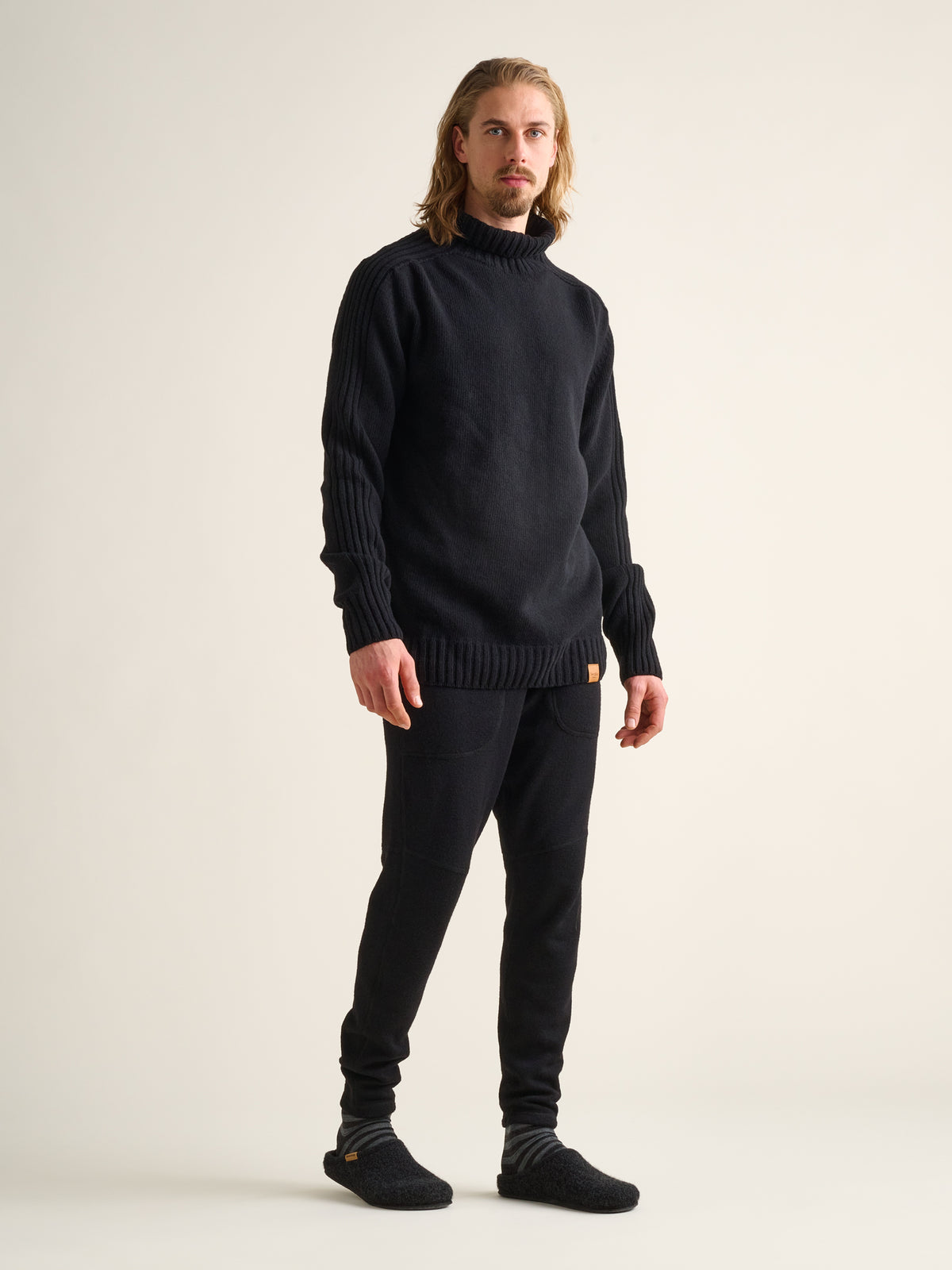
Nordic Terry Wool is wool terry with a smooth outer face and a looped inner face. The loops hold in warmth and move moisture away from your skin at the same time, so the layer insulates while you are still but does not turn clammy. The material is soft and stretchy, so it moves with you as you settle on the stand and get up again.
On a calm, dry day hunting grouse, the wool layer can also be your outermost layer: it breathes better than a shell and stays quiet as you creep towards the most exciting bark of your life.

Men's Nordic Terry Wool 400 zip-neck mid-layer set

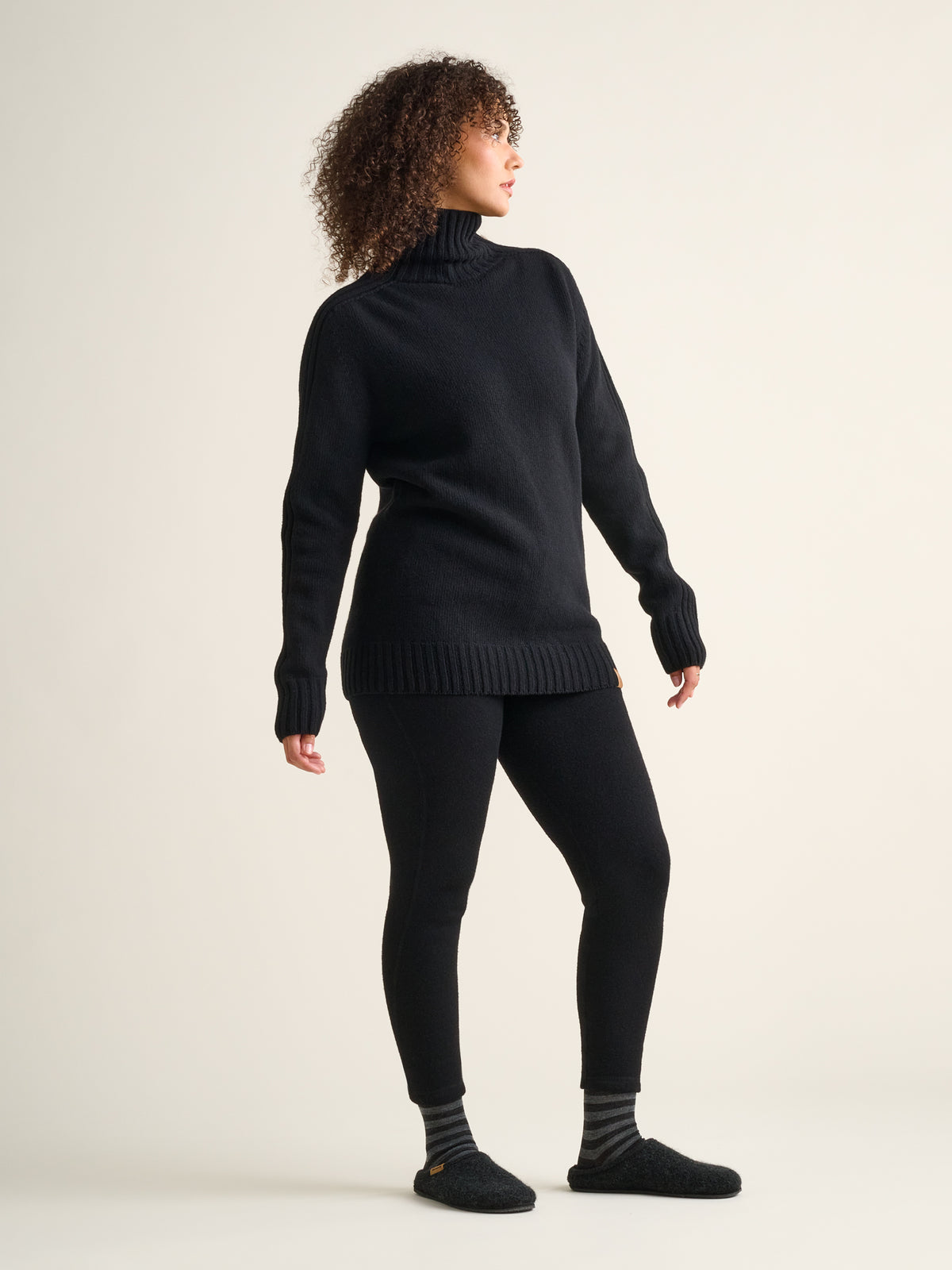
Women's Nordic Terry Wool 400 mid-layer jacket

Shell Layer – Weather protection
Autumn hunting weather is often wet. Morning dew soaks your trousers up to the knees, in October it can rain for days on end, and a duck hunter wades hip-deep in water and waits quietly in the reeds. The shell has to keep rain and wind out, but it also has to breathe, so the moisture you build up while walking does not stay inside. The jacket also has to be quiet: a rustling jacket gives you away before you even see any game.
Hunters have many opinions about shells. Some trust a hunting suit with a membrane and a quiet outer fabric, others wool, loden or tightly woven cotton. Many carry a light rain suit in their rucksack. In a calm forest in dry weather, wool is often enough as the outermost layer. Whatever you choose, make the shell roomy enough for all your layers to fit underneath with enough insulating air between them.
Svala's own shell layer, the Ventile 200 jacket, is membrane-free and made from very tightly woven long-staple cotton. When it gets wet, the fibres swell and the weave tightens, so the fabric repels light rain and showers and breathes without a membrane. It protects you from the wind and does not rustle like many synthetic shell fabrics. For steady heavy rain, a technical waterproof shell or a rain suit is a better choice.

Men's Ventile 200 jacket

Women's Ventile 200 jacket
You do not need everything at once – start here
The system works best when you adjust your layers to the rhythm of the hunting day: fewer while you walk, more on the stand. You do not need to buy everything at once. If you are starting from scratch, start with the layer next to your skin, because it decides whether you arrive at the stand dry or not. Airbase next to your skin and Merino Extreme on top make a pair that takes you a long way into the cold autumn hunts.
If you already have a layer that works, just get what is missing:
- Do you already have merino wool base layers? Complement them with Airbase: wear the mesh layer next to your skin under the merino, so you arrive at the stand drier and do not get cold while you are still.
- Are your next-to-skin and warming layers sorted? For long hours on the stand and cooler weather, add Nordic Terry Wool, which you carry in your rucksack and put on when you settle in.
- Do you already have a hunting jacket or hunting suit? There is no need to replace it. Make sure your other layers fit loosely underneath. The air space between the layers is part of the warmth.
Remember your feet and hands too, which are the first to get cold on the stand: merino wool socks, a beanie and gloves belong to the same system. Although we put these layers together for hunting, they will not sit in the wardrobe between seasons: the same layers also work for mushroom and berry picking and other outdoor activities.
Do you also hunt in winter?
In winter, freezing temperatures and long periods spent stationary place different demands on clothing than summer and autumn hunting. We have put together a dedicated selection for winter hunters, with each layer chosen for freezing temperatures and periods spent stationary.

Four layers, one effective system
Layer: Zero Layer – next-to-skin performance