



Reliable clothing for every layer of winter hunting
In winter hunting, what you wear under your suit decides the day
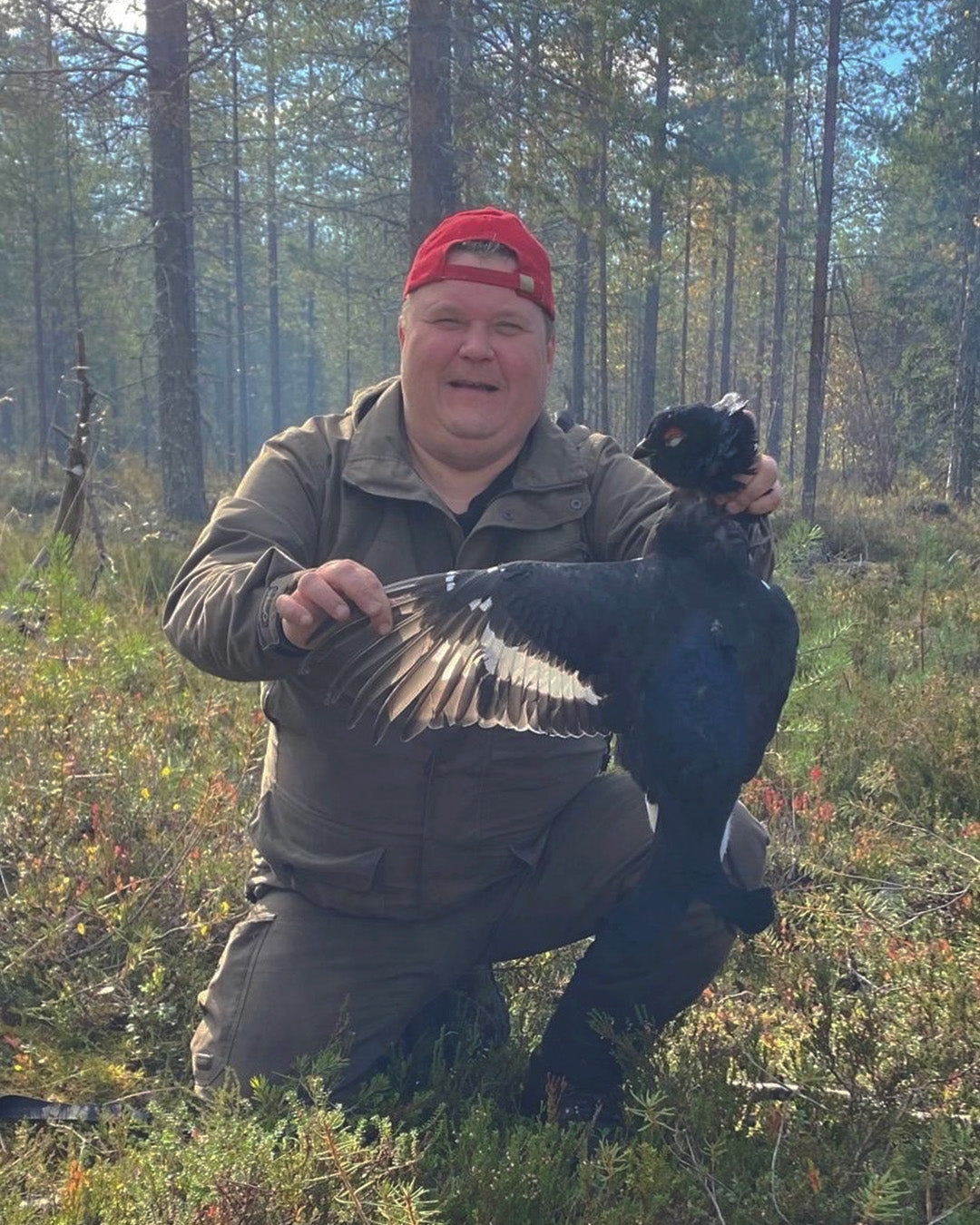
The winter hunting season starts with the first snow in November and carries on through the frosts into late winter. The type of hunt varies, but the rhythm is usually the same: first you move through the snow, then you stay still in the cold. The treetop bird hunter skis through deep, soft snow scanning the tops of the pines, while the hare hunter walks through the snow or straps on skis and joins the chase. The elk hunter may arrive at the stand straight from a warm car, or trudge through deep snow with a sweaty back towards the stand tower. At the stand you can easily spend several hours in hard frost, and waiting for a fox at a bait site can stretch far into the evening. When you are still, your body produces no extra heat, and your layers decide how long you can stay warm in the frost.
On this page we have chosen one go-to garment for winter hunters for each layer, and explain which moment of the hunting day each one handles best. In summer and autumn hunts the weather varies and movement alternates with waiting, so we have put together a separate set for that: go-to clothing for hunting in summer and autumn.
One go-to garment for each layer
The Zero Layer moves sweat away from your skin as you ski and walk through the snow, the Base Layer balances warmth and moisture when you settle into your stand, the Mid Layer keeps you warm through long waits and the Shell Layer protects you from wind and snow. Dress lighter for moving between spots and carry a warm layer in your rucksack. At the stand and during breaks, put it on as soon as you have settled in, not once you start to feel cold.

Four layers, one complete set
In winter hunting, the same clothing goes with you from the hunting cabin to the stand, through deep snow after the dog and back to the campfire for sausages, and you usually do not change during the day. On a mild November day you need less, but in January frost every layer does its job. Together they form the Svala AIR System™ layering system, in which every garment has its place.

Zero Layer – Next-to-skin performance
In winter, moving between spots is often harder work than when the ground is bare. Treetop bird hunting easily means skiing several kilometres through deep, soft snow, and in a hare hunt you may have to trudge a long way through deep snow after the chase. You sweat even in frost, especially when you are already wearing your hunting suit for the stand.
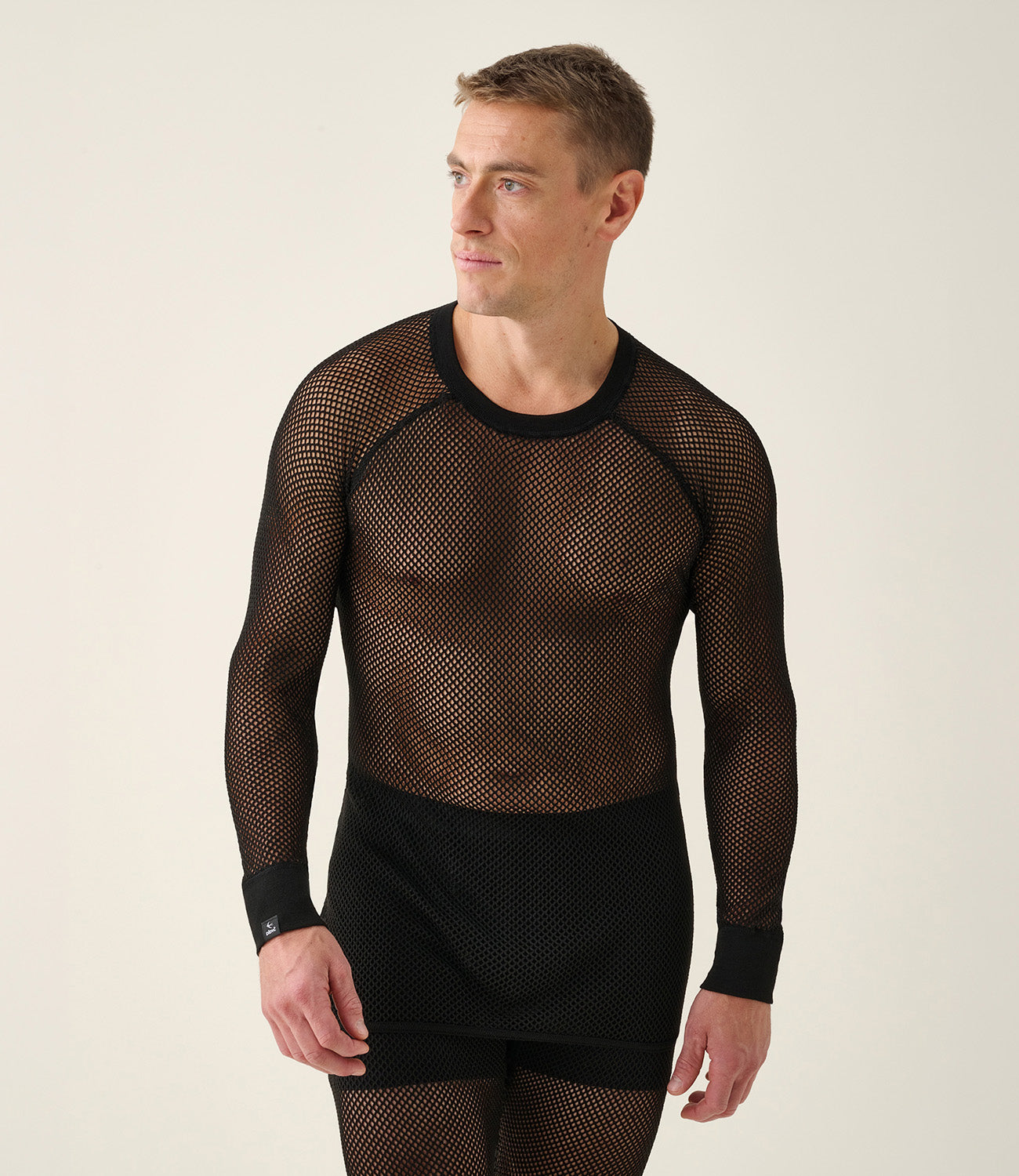
In frost, a wet layer next to your skin draws heat away quickly, and at the stand you can no longer dry it by moving. That is why you wear an Airbase mesh shirt and mesh bottoms next to your skin. Airbase is 100% polypropylene, which does not absorb moisture but moves it from your skin to the next layer. When you stop at the stand or stay to scan the treetops, your skin is dry and you stay warm.
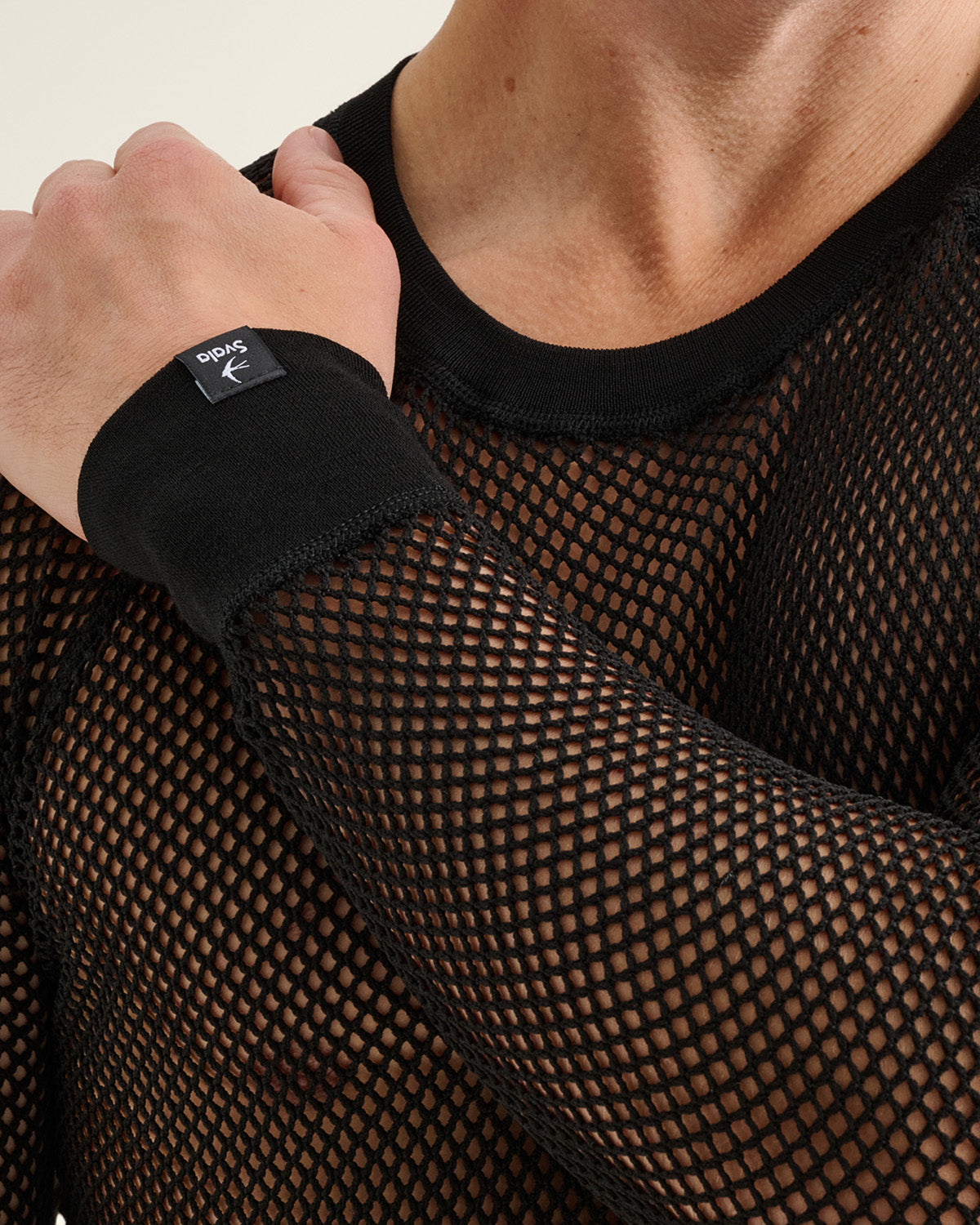
The loops in the 120 g/m² 3D mesh knit trap air, forming a thin insulating layer against your skin that keeps you warm while you stay still. Airbase is thin and stretchy, so you do not notice it under all your other layers. The silver-ion treatment in the core of the fibre keeps the garment fresh, so one Airbase is enough for a week-long hunting trip. At the hunting cabin you can hang it up to air overnight or keep it on while you sleep.

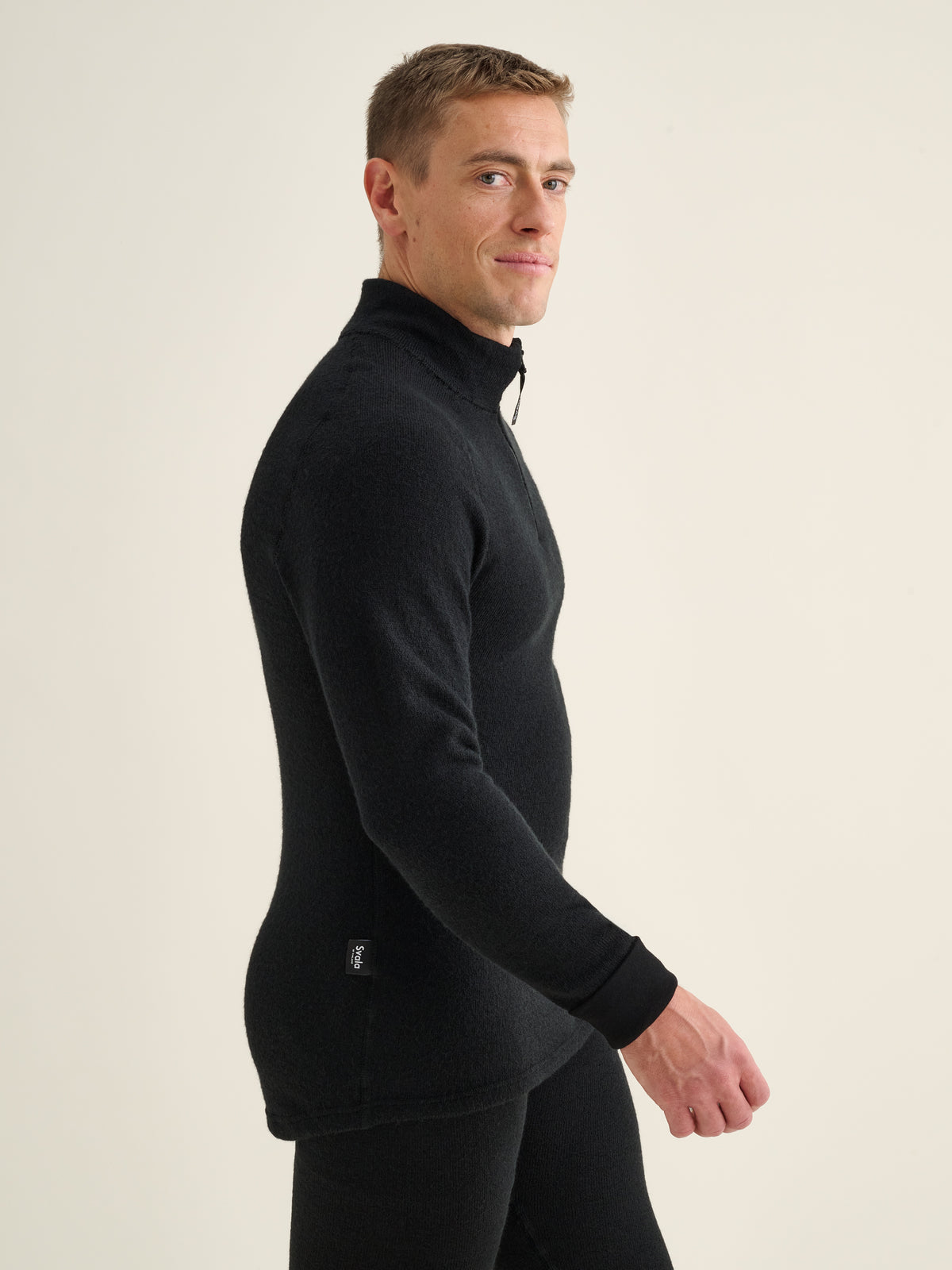
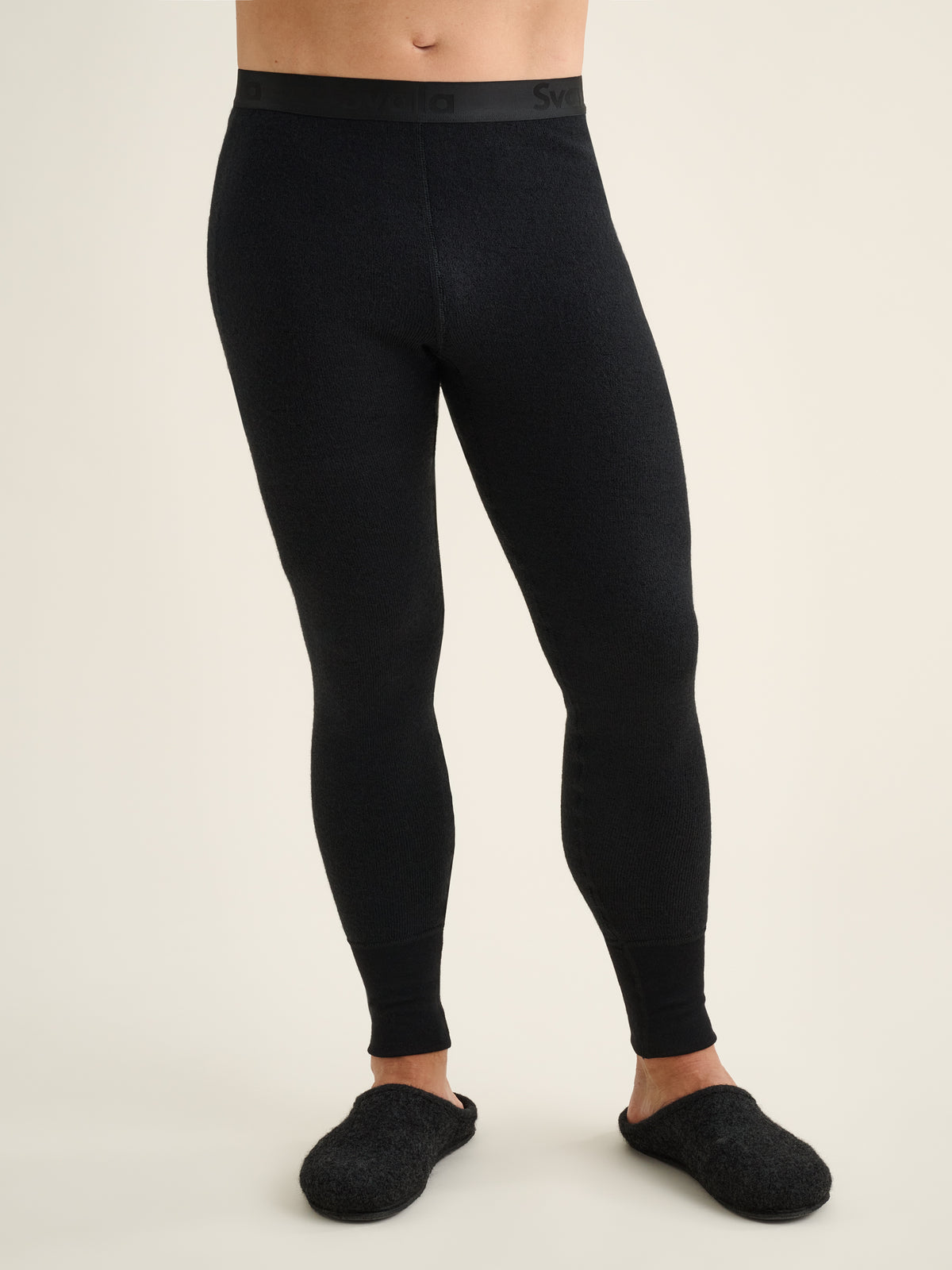
Men's Original Airbase 120 mesh set

Women's Original Airbase 120 mesh set
"If you have ever approached a moose held at bay by a barking dog in winter, wearing thick clothing designed for stationary hunting, you know what it means when sweat starts to freeze."


Base Layer – Temperature regulation
When you settle into your stand or stop for a break, your body's own heat production drops quickly. At an elk stand in January, or at a hare stand waiting for the chase to turn, it can easily be −20 °C, and you do not leave the stand to warm up halfway through. Warmth has to last for hours, even if moisture from walking in and trudging through snow is left in your layers.
Over Airbase you wear a Merino Extreme base layer top and bottoms. In the double-layer construction, polypropylene on the inside moves moisture onwards and merino wool on the outside insulates and keeps you warm. Merino wool absorbs moisture and gradually releases it into the air, so it evens out moisture without feeling wet. When you sweat heavily, merino can get slightly damp too, which is why Airbase goes underneath to improve moisture transport.
Merino Extreme is made for temperatures from −30 to +15 °C, so it goes with you from the first snow in November to the hardest frosts of midwinter. Merino wool is naturally odour-resistant, so the set freshens up by airing between hunting days.

Men's Merino Extreme 200 base layer set

Women's Merino Extreme 200 base layer set

Mid Layer – Thermal insulation
At a winter stand, two layers are rarely enough for very long. When the dog is running far off or you are waiting at a bait site, your body slowly cools. Usually your thighs, seat and lower back get cold first. When you are on the move, though, a thicker layer is often too warm and easily gets damp with sweat from the inside.
That is why the mid-layer travels in your rucksack and goes on when you settle into your stand. This is exactly what Svala's Nordic Terry Wool mid-layers are made for. Nordic Terry Wool is wool terry with a smooth outer face and yarn loops on the inside. The loops trap air and move moisture away from your skin, so the layer insulates while you are still but does not turn clammy. The fabric is soft and stretchy, so it moves with you as you raise your gun or sit down on your stand seat and get up again.

Men's Nordic Terry Wool 400 zip-neck mid-layer set

Women's Nordic Terry Wool 400 mid-layer jacket

Shell Layer – Weather protection
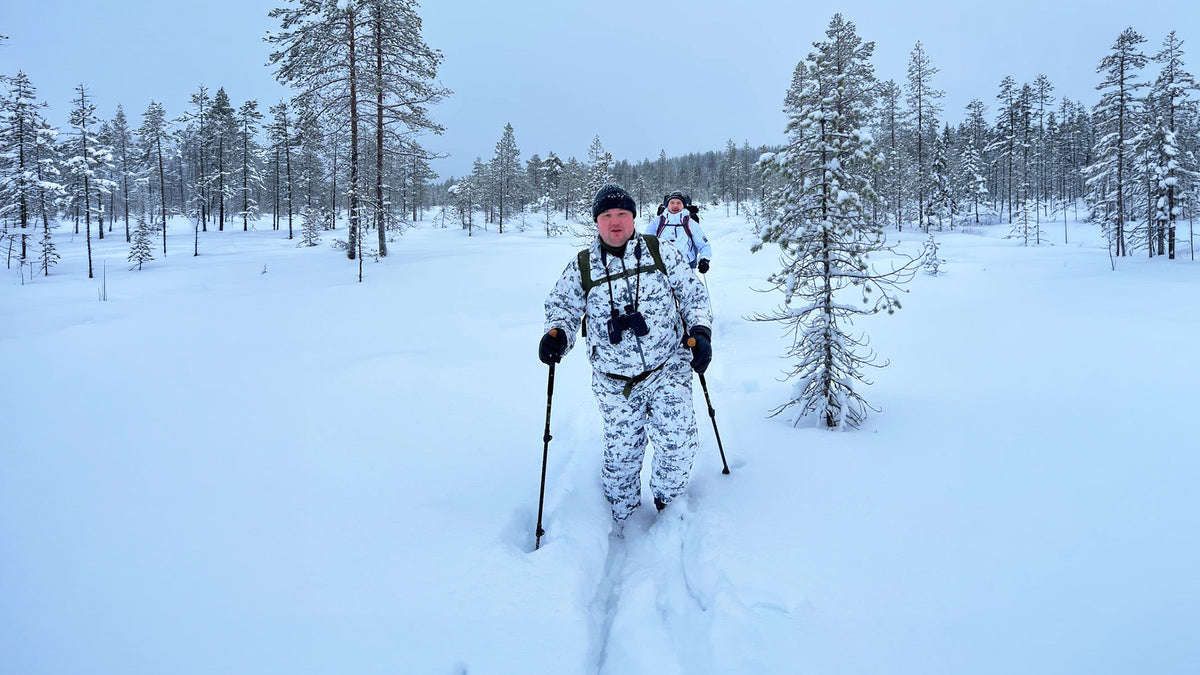
In winter hunting the outermost layer is usually a jacket or suit designed for hunting, and in snowy terrain a snow camouflage suit often goes over it. The shell has to cut the wind at an exposed stand on a field edge or in a clear-cut and keep out snow falling from the branches, but it also has to breathe, so that the moisture from sweating does not stay inside and soak your layers from within. The jacket also has to be quiet: in frost many synthetic fabrics stiffen and rustle, and a wary bird hears the sound before you get within range.
Hunters have many views on the winter suit. Some swear by a winter hunting suit with a membrane and a quiet outer fabric, others by wool and loden. The snow camouflage suit usually goes over the hunting suit when there is snow on the branches. Choose a suit roomy enough for all your layers to fit underneath with enough insulating air between them.
For breaks and long waits at the stand, it is worth bringing a thicker insulated jacket that you pull on over everything as soon as you stop and take off when you move on. Svala's next-to-skin and mid-layers fit under whichever outer layer you choose: when your skin and lower layers stay drier, your outermost layer also works better and keeps you warmer.

Men's Ventile 200 jacket

Women's Ventile 200 jacket

You do not need everything at once – start here
The system works best when you adjust your layers to the rhythm of the hunting day: fewer when skiing and trudging, more at the stand. You do not need to buy everything at once. If you are starting from scratch, start with the layers next to your skin, as they decide whether or not you settle into your stand dry. Airbase next to your skin with Merino Extreme over it is a pairing that will take you a long way into the winter frosts.
If you already have one of the layers sorted, just get what is missing:
- Do you already have a merino wool base layer? Complete it with Airbase: wear the mesh layer next to your skin under the merino, so that you stay drier on the move and the merino stays drier and insulates better at the stand.
- Are your next-to-skin and warming layers sorted? For long winter stands and waiting at a bait site, add the Nordic Terry Wool mid-layer set, which you carry in your rucksack and put on when you settle into your stand.
- Do you already have a winter hunting suit or snow camouflage suit? There is no need to replace it. Make sure your other layers fit underneath without squeezing. The air between the layers is part of the warmth.
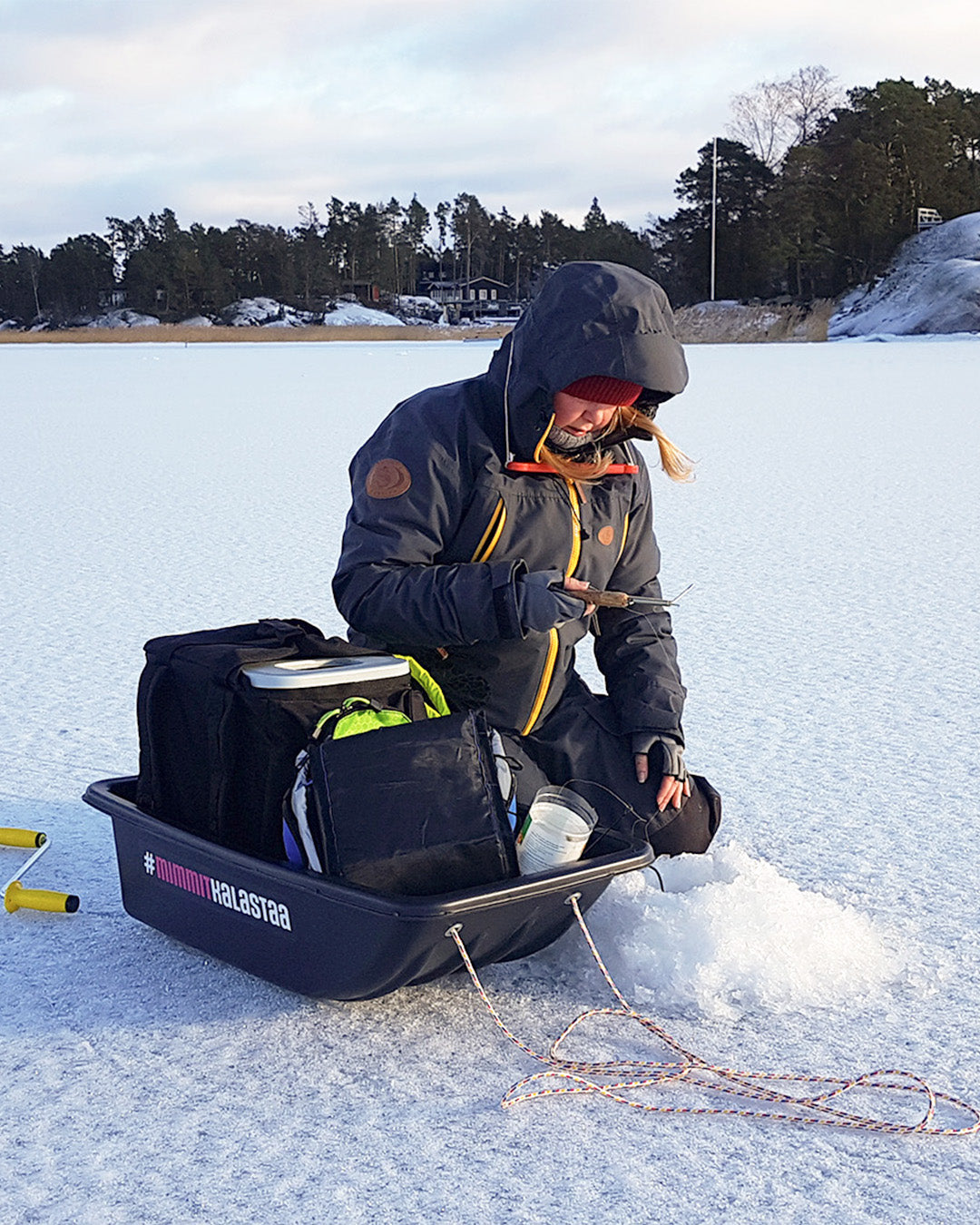
Remember your feet and hands too, as they are the first to get cold at a stand in frost. Many hunters wear thin wool gloves with mittens over them, so they can free their trigger finger quickly. Although we put these layers together for winter hunting, they will not sit in the wardrobe: the same garments also work for ice fishing, cross-country skiing and other outdoor activities.
Do you also hunt in summer and autumn?
On summer and autumn hunts, the weather changes throughout the day, and hunting alternates between movement and quiet waiting. This places different demands on clothing than freezing winter conditions. We have put together a dedicated clothing selection for hunting when the ground is not frozen, with each layer chosen for changeable weather and alternating periods of movement and waiting.

Four layers, one effective system
Layer: Zero Layer - next-to-skin performance