



Reliable cycling clothing for every layer
From road to trail and the commute
There are many ways to ride a bike. One rider sets off on a Sunday morning group ride on the road, another spends all day on gravel roads on a gravel bike, and a third rides to work or on the trails in the local woods. What they all share is wind chill: your speed creates its own headwind even on a still day, and it cools your chest, arms and thighs while your back sweats. An April morning ride can start below freezing and end in afternoon sunshine, and a shower often catches you far from home.
On this page, we have chosen one go-to garment for each layer for cyclists, and we explain the moments of the ride where each one does its best work. Some kinds of cycling have their own particular demands, so we have built separate sets for them. The mountain biker's go-to garments are made for the trail, where your back sweats under a hydration pack. The cycle tourer's go-to garments serve you on multi-day trips and on cooling evenings at camp. The winter cyclist's go-to garments are put together for frost and wind chill, and the cycle commuter's go-to garments for a ride with a working day at the end of it.
One go-to garment for each layer
The Zero Layer moves sweat away from your skin when your back is sweating, the Base Layer evens out warmth and moisture from a cold start to a warm return, the Mid Layer insulates in cool weather and when you stop, and the Shell Layer shields you from wind chill and showers. You can focus on the kilometres and enjoying the scenery.

Four layers, one set that works
On a bike, the same outfit often travels dozens of kilometres, and you cannot leave a layer you have taken off by the roadside. On a July evening ride, a thin mesh shirt under your jersey is enough, but on a chilly October morning every layer does its job. Together they form the Svala AIR System™ layering system, in which every garment has its place and the air trapped between the layers insulates and keeps you warm.

Zero Layer – Next-to-skin performance
On a bike, your back and armpits start sweating after just a few kilometres, even on a chilly morning. The wind dries your front, but your back stays damp. A hydration pack or fully loaded jersey pockets stop the sweat from evaporating. When your pace drops or you stop for a break, the wet fabric starts to chill you.
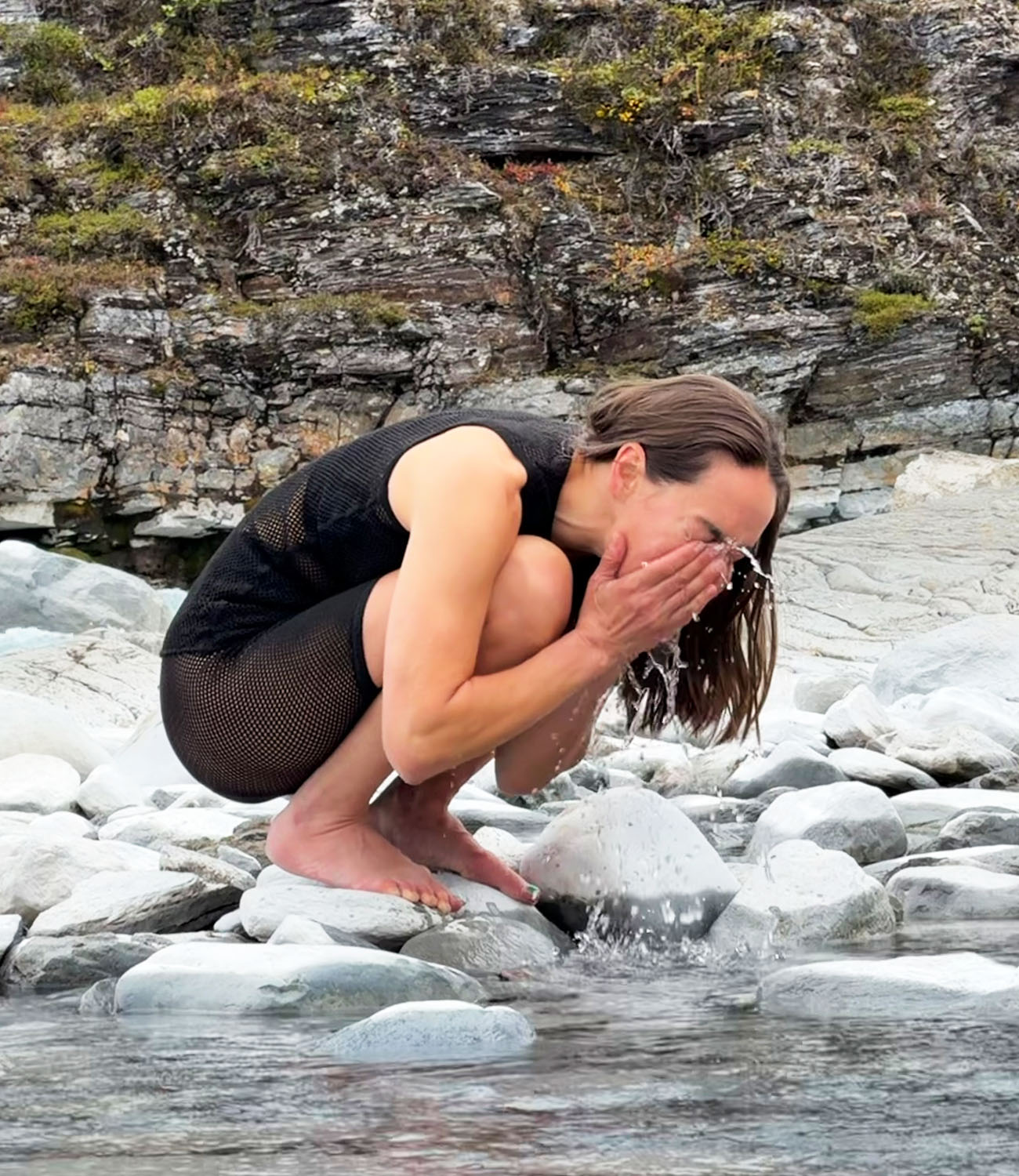
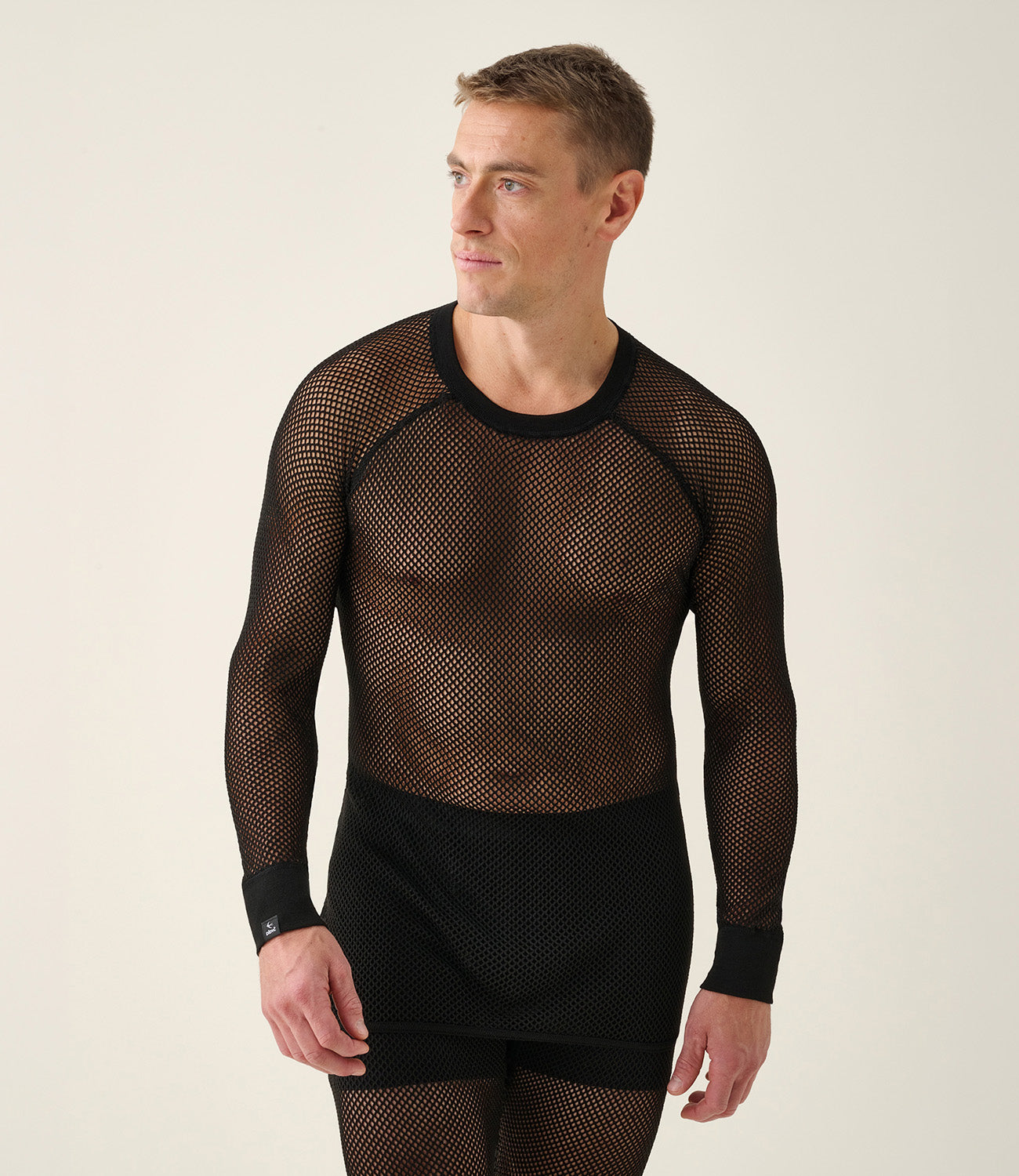
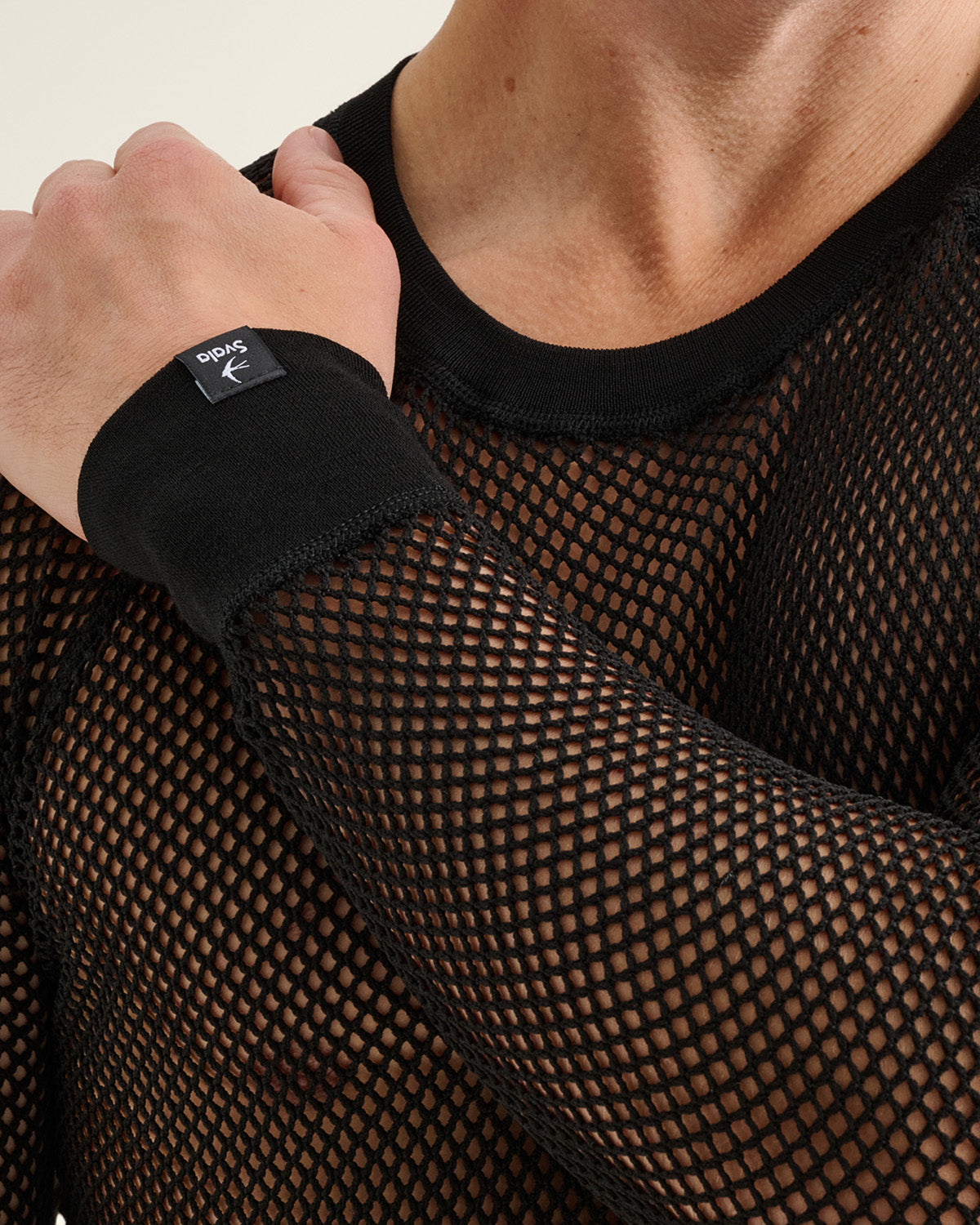
That is why an Airbase mesh shirt goes next to your skin. Airbase is 100% polypropylene, which does not absorb moisture but moves it from your skin to the next layer. The loops of the 120 g/m² 3D mesh knit trap a thin layer of air against your skin: at speed it cools you, and when you stop it insulates and keeps you warm. The mesh knit is stretchy and follows your body, so it disappears under even a close-fitting jersey.
On a summer ride, a mesh T-shirt is often the only extra layer under your jersey, and in spring and autumn a long-sleeved mesh shirt. In strenuous exercise, Airbase works in temperatures as low as −15 °C, so the same shirt comes with you from April well into autumn. Silver-ion treatment in the core of the fibre keeps the shirt fresh, so once aired, it is ready for the next ride.

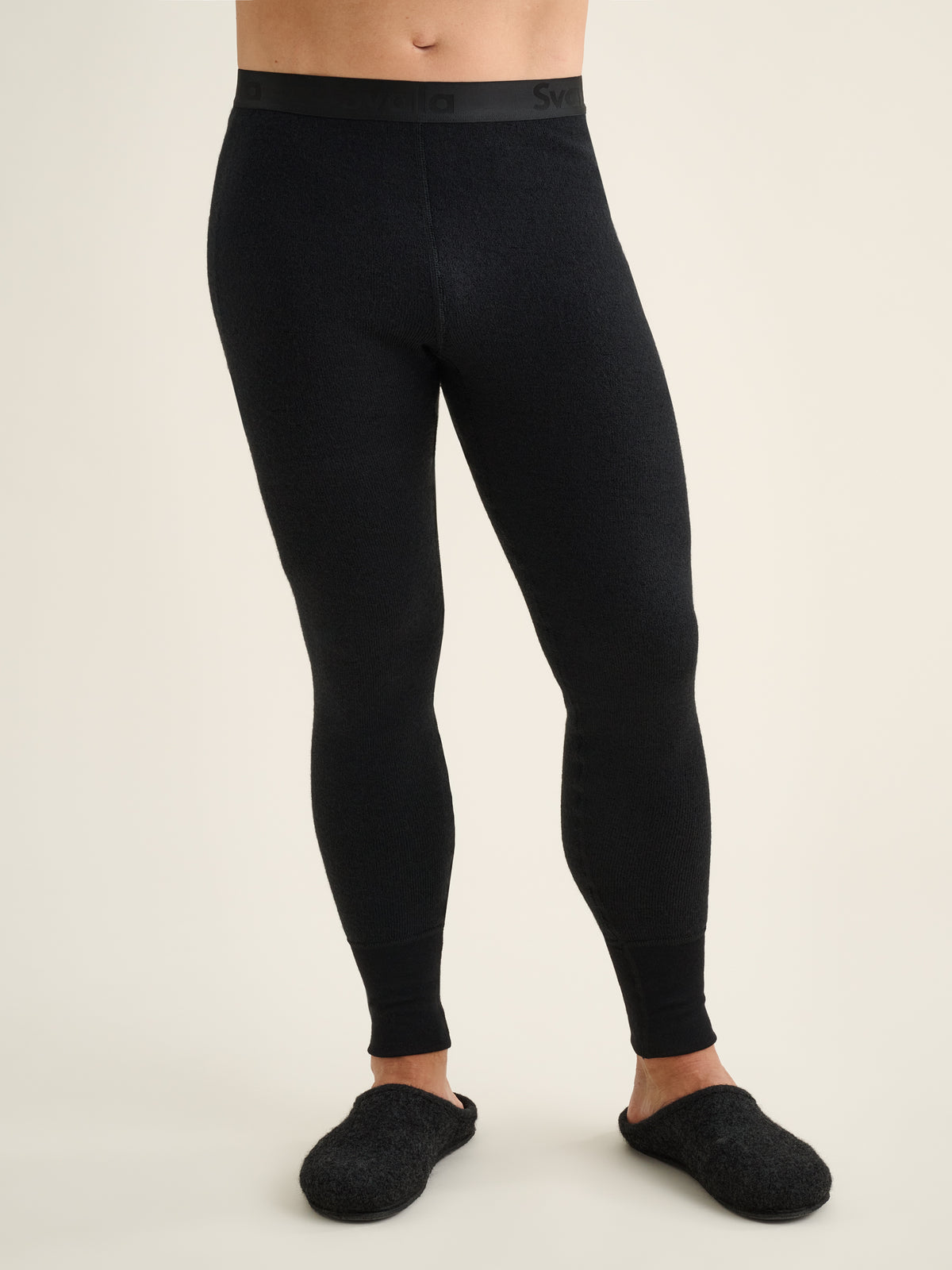
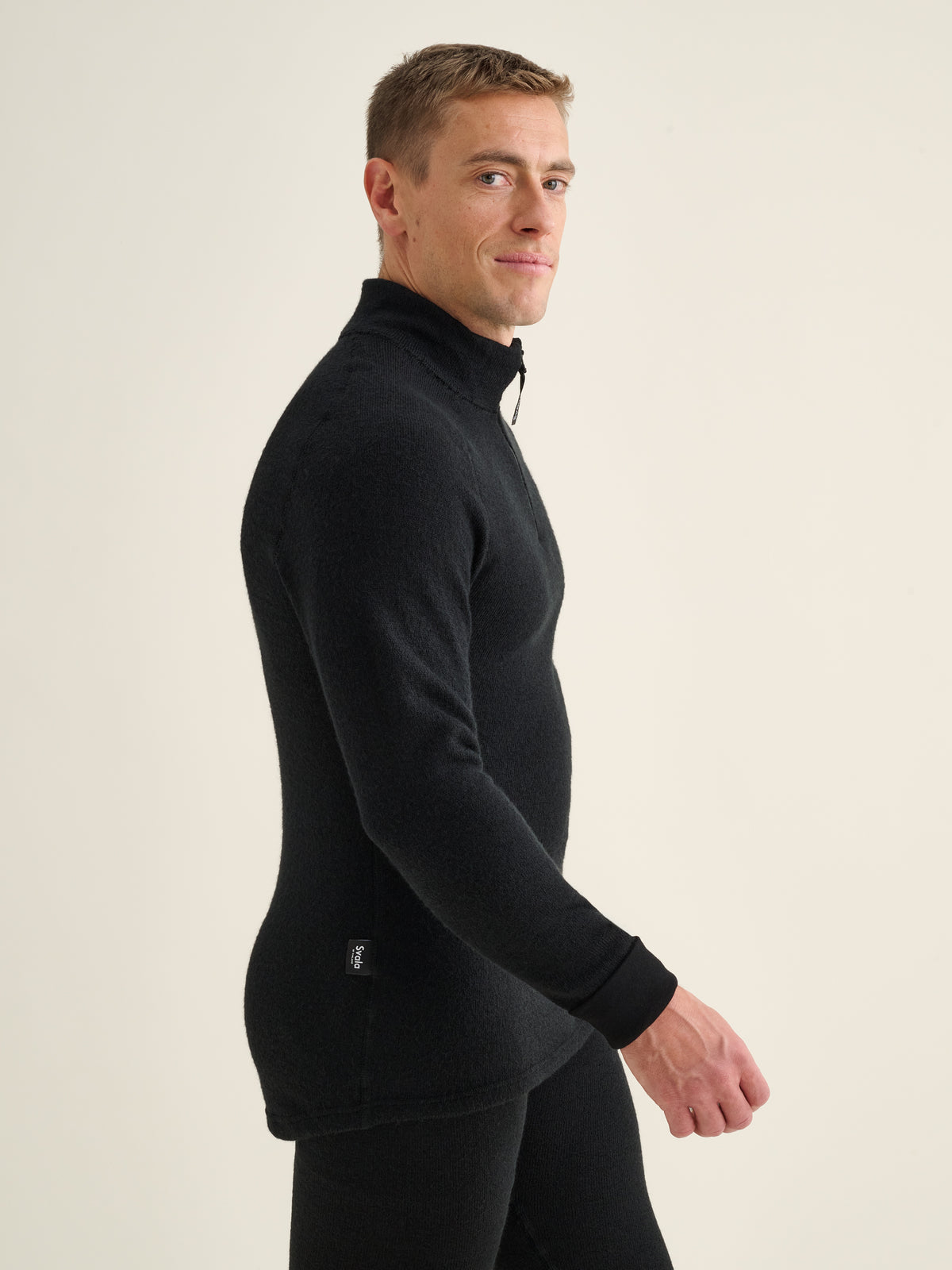
Men's Original Airbase 120 mesh set

Women's Original Airbase 120 mesh set
“I learned the hard way that the temperature when you set off tells you nothing about how it will feel thirty kilometres later. These days, getting dressed always starts with the mesh shirt.”


Base Layer – Temperature regulation
The Merino Extreme base layer set goes over Airbase. In its double-layer construction, the polypropylene on the inside moves moisture onwards and the merino wool on the outside insulates. Merino wool absorbs moisture into the fibre and releases it gradually, so it evens out moisture and temperature close to your skin and does not feel wet straight away.
That is why the same top works on a crisp morning and a warm afternoon, and you do not overheat as the day warms up. When you sweat heavily, even merino gets damp, and that is exactly why Airbase goes underneath.
Merino Extreme is made for temperatures from −30 to +15 °C, so it comes with you from the first rides in April to chilly October mornings, and through the winter if you ride all year round.

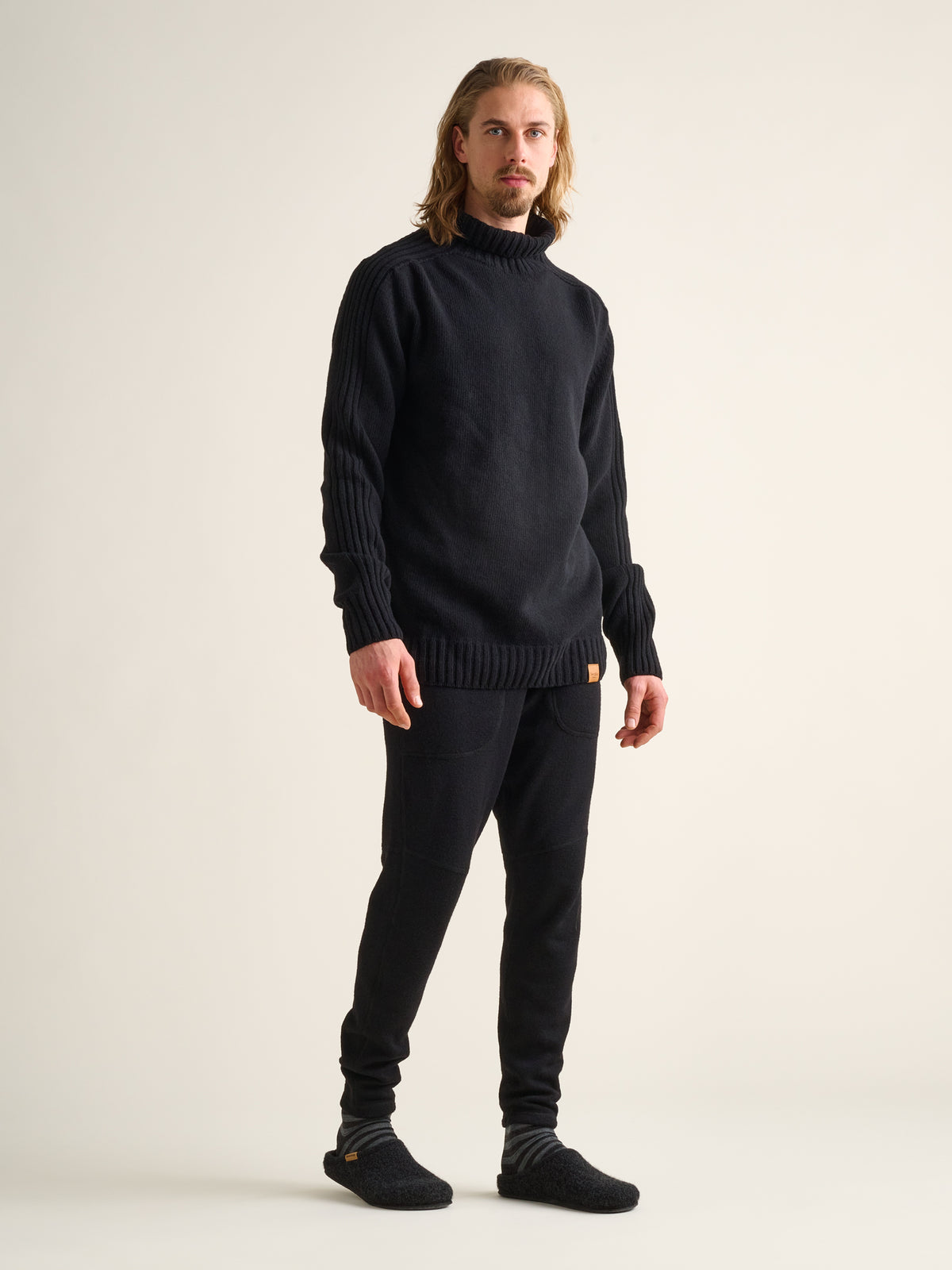
Men's Merino Extreme 200 base layer set

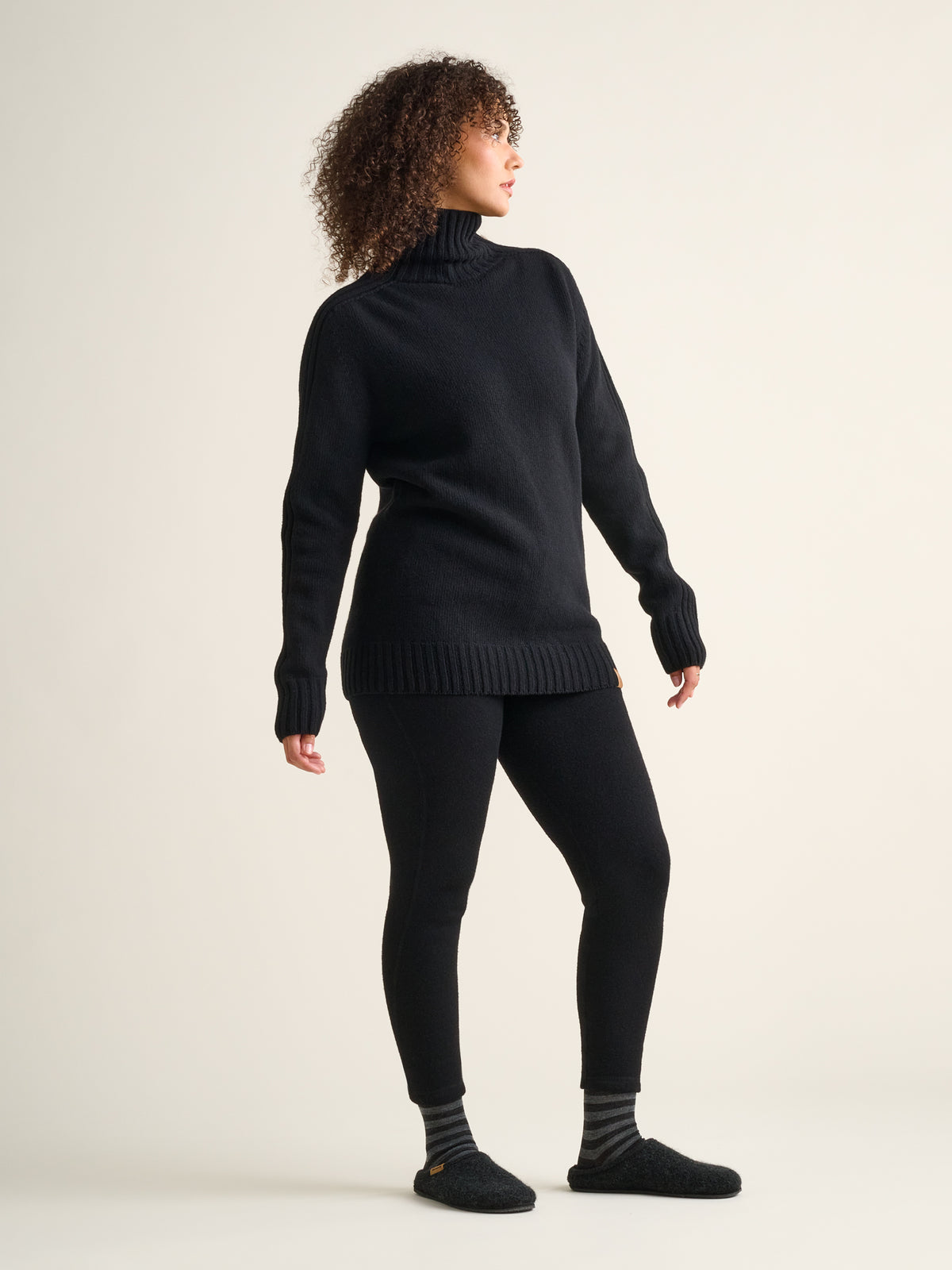
Women's Merino Extreme 200 base layer set

Mid Layer – Thermal insulation
Stopping is a cold moment for a cyclist. A café stop on a group ride, a puncture at the roadside or waiting for a friend at a junction. The bike stops, but the damp layer is still on your skin. On the road, a long descent does the same: you pedal less, but the wind picks up. On an e-bike you need an extra layer more often, because the motor does part of the work.
That is when the Polartec Alpha™ hoodie goes over the merino. It is light, insulates even when slightly damp and breathes so well that you can keep it on while riding, so you do not need to take it off at the start of every climb. The hoodie packs down small, so it travels in your bag, ready for breaks and cooling evenings.

Men's Polartec Alpha 90 hoodie

Women's Polartec Alpha 90 hoodie

Shell Layer – Weather protection
Speed creates its own headwind. On a 5 °C morning, even 25 km/h feels close to zero on your skin. On open farmland or by the coast, a headwind makes it bite even harder. The weather can also change within a few kilometres: a shower catches you far from home, and a wet road keeps spraying long after the rain.
Cyclists have many opinions about shells. Some ride in a packable membrane jacket, others rely on a wind jacket or gilet and only take a rain jacket if the forecast calls for it. In summer, many ride with no shell at all. In a fully windproof jacket, sweat easily gets trapped, so breathability matters as much as wind protection. A roomy shell fits over your other layers, and the air between them insulates and keeps you warm.
Svala's own Shell Layer, the Ventile 200, is a membrane-free jacket made from very tightly woven long-staple cotton. When it gets wet, the fibres swell and the weave tightens, so the fabric repels light rain and showers and breathes without a membrane. The dense weave protects you from wind chill. For constant heavy rain, a technical waterproof shell is more practical.

Men's Ventile 200 jacket

Women's Ventile 200 jacket

You do not need everything at once – start here
The system works best when you wear all the layers to suit the weather and your pace, but you do not need to buy everything at once or replace your entire wardrobe. The AIR System™ also works with the clothes you already own. If you are starting from scratch, begin with the next-to-skin layer: it is the most important part of the whole system. The most reliable foundation for cyclists is Airbase mesh knit next to the skin with merino on top. Over these, add a Mid Layer and a Shell Layer to suit the weather and the distance.
If you already have a suitable layer, buy only what is missing:
- Do you already have a merino wool base layer? Complement it with Airbase: wear the mesh layer next to your skin under the merino, and you will stay dry while riding and not get cold when you stop.
- Do you already have Airbase and merino? For cooler weather and long rides, add a lightweight Polartec Alpha™ hoodie that you can keep on even on a hard climb.
- Do you already have a cycling jacket or shell? There is no need to replace it. Make sure your other layers fit comfortably underneath.
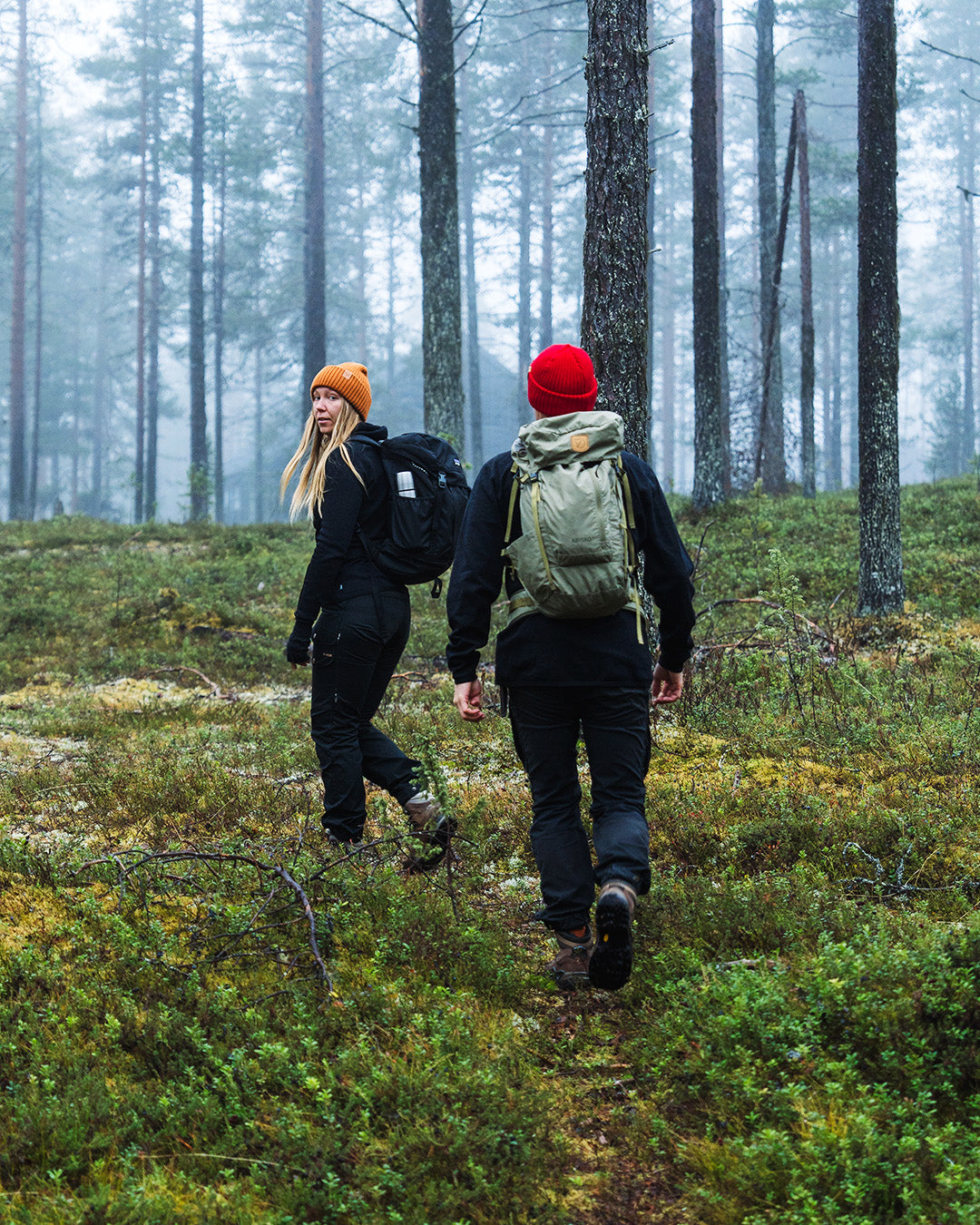
This way, you can build a system that works at your own pace. Although we put these layers together for cycling, they will not stay in the wardrobe: the same layers also work for running, hiking and other outdoor activities, and change seasons with you.

Four layers, one effective system
Layer: Zero Layer – next-to-skin performance